A Call to Collective Action! Agricultural Cooperatives for a Brighter Future

Path of profits and success require a cooperative walk. There’s no alternative but to invest in organizing and building institutions of small and marginal farmers if they have to be supported. About 60% of India’s population is dependent on agriculture. It is the sector that promises a lot of growth and at the same time sees a lot of distress. People of the country keep complaining about high retail prices wherein the farmers express their despair in farming due to negligible returns. Where does the farmer’s enhanced share go?
The farmer who actually is the king of agricultural produce should be a shareholder of profits. Definitely! Consider the example of Basmati. India exports Basmati worth thousand crores. Say a farmer sells Basmati at Rs. 2000 per quintal, the exporter sells it at Rs.8000 per quintal. Exactly 4 times! Needless to say, a farmer can’t perform all the tasks of the business chain and hence relies on the private companies. The time-tested model of dairy cooperatives looks suitable to boost the income of farming households. It ensures that the farmer is a shareholder in profit earned by the cooperative federation at the district, state and national levels.?The Gujarat Co-operative Milk Marketing Federation whose Amul brand is a household name transfers 82% of its retail price to farmers in the supply chain. On a panel discussion at Outlook’s Agriculture Conclave and Swaraj Awards in December 2018, R.S Sodhi, Managing Director, Amul showcased how the cooperative model ensured handsome returns to dairy farmers. Agriculture economist Dr T. Haque said that the farmers have to adopt a collective approach through cooperatives which shall give them the power to bargain better for their produce and create wealth collectively. However, he warned that a fine working model needs a dedicated and transparent leadership. Farmers should adopt a farm to fork strategy and create an organization that is capable of collecting, processing and marketing the produce. Sundeep Kumar Nayak, MD of the National Cooperative Development Corporation says that it provides funds to cooperatives at the reasonable rate of interest. “Our criterion is the economic viability of the project. And this is the reason why our Non-Performing Assets (NPA) is near zero.” There is no alternative but to invest in organizing and building institutions of small and marginal farmers if they have to be supported. To link farmers with input and output markets, there does not seem to be an institutional mechanism except cooperatives and newly engaged farmer producer companies. Economies of scale: Cooperatives can help farmers benefit from economies of scale to lower their costs of acquiring inputs or hiring services such as storage and transport. Empower members: Cooperatives empower their members economically and socially by involving them in decision-making processes that create additional rural employment opportunities. More Power: Farmers in cooperatives have more bargaining power, lower transaction costs in getting?loans, and better access to information.
Recent Posts
Your Farm. Your Future.
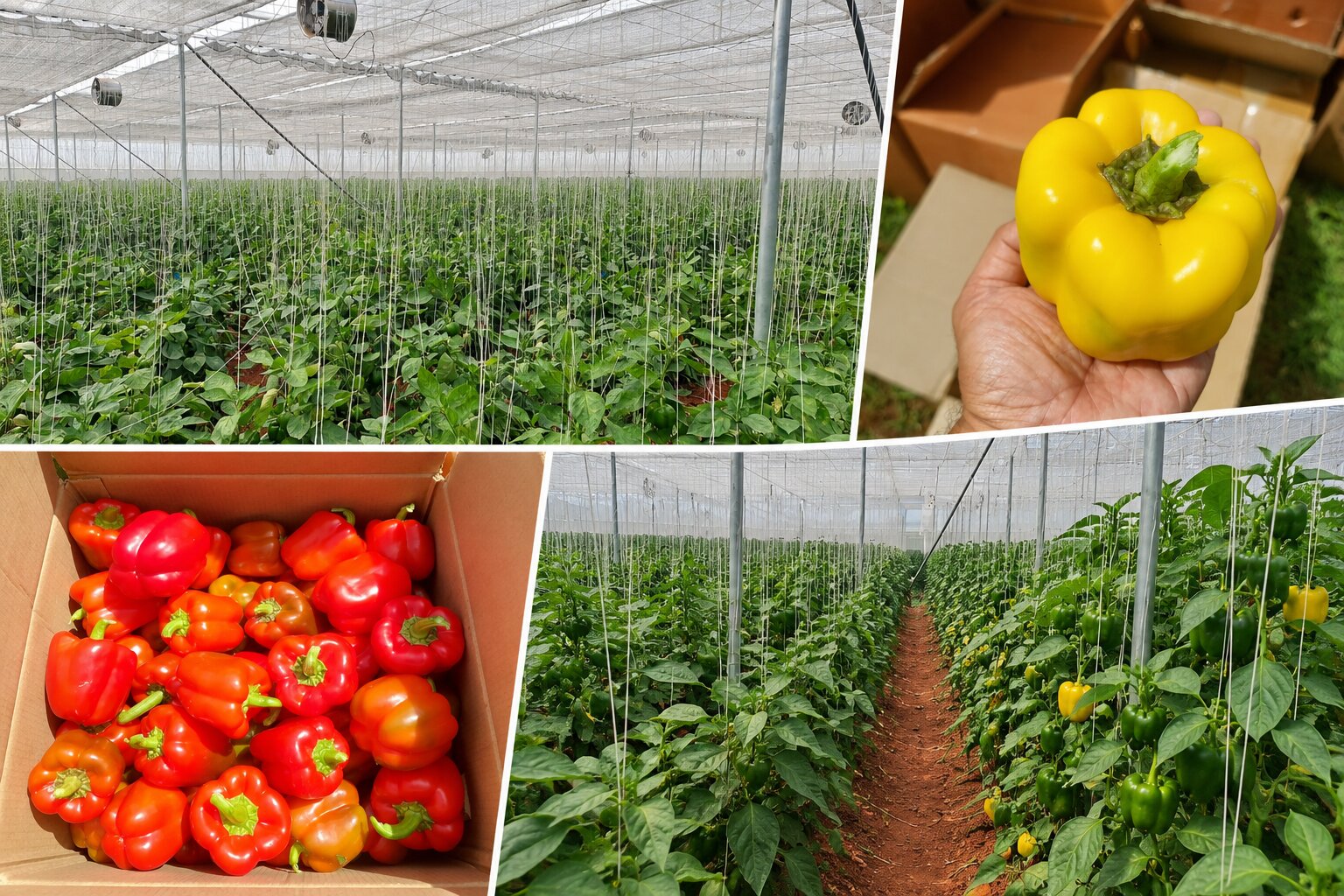
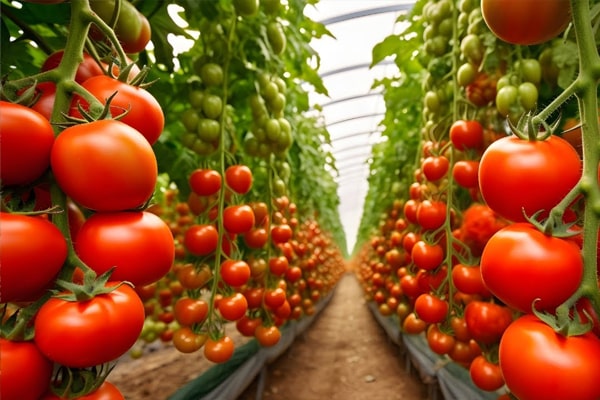
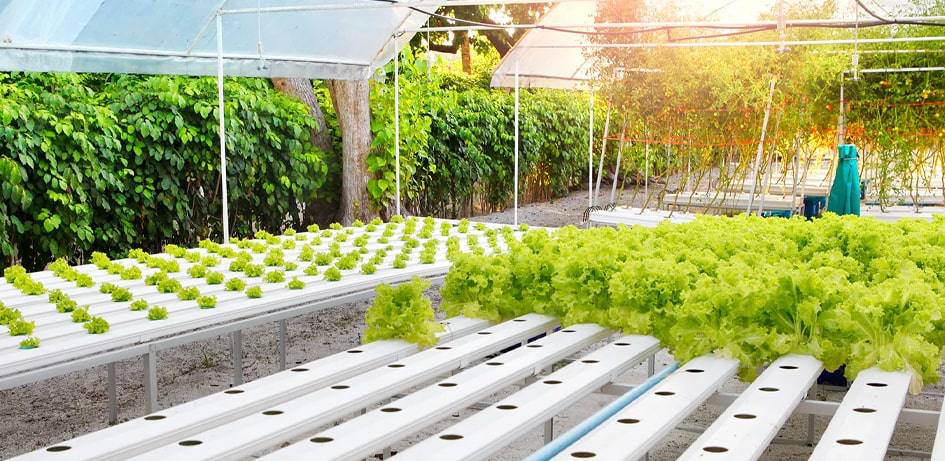
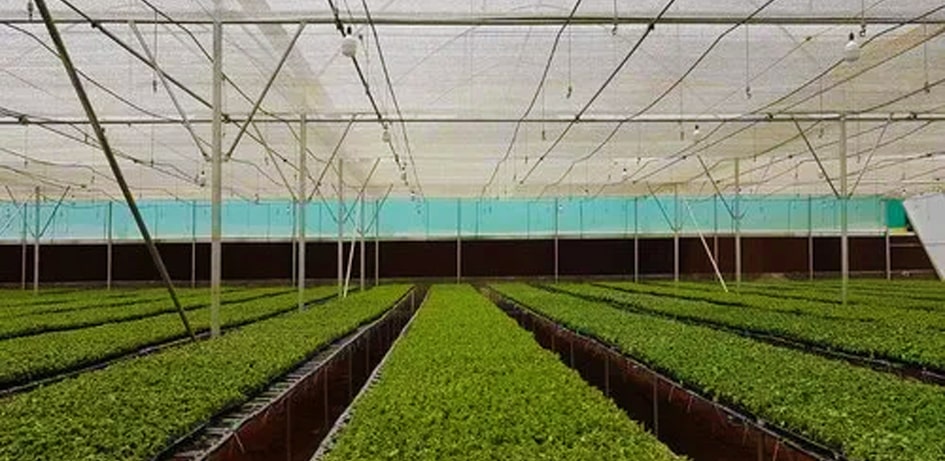
Every great harvest starts with the right conversation. Let our experts design a polyhouse built around your land, crop, and climate.
Talk to an ExpertFrequently Asked Questions
In this video, Abhishek Bhatt, Director of Agriplast Protected Cultivation, will provide a comprehensive breakdown of why Agriplast Polyhouse outperforms other polyhouses in terms of yield. He'll elucidate on key features like superior design, Israeli technology application, and optimal environmental control. The design facilitates enhanced ventilation, ensuring ideal growing conditions. Additionally, the use of Israeli technology, tailored for Indian agricultural needs, plays a crucial role in maximizing yields. Stay tuned to gain valuable insights into how Agriplast Polyhouse revolutionizes protected cultivation for superior agricultural outcomes.
A greenhouse is a transparent structure which is made using glass where plants are grown under certain climatic conditions. The agricultural industry has got many innovations, and the greenhouse technology makes use of modern and smart technology to give optimum facilities to the plants for their better and more efficient growth all around the year. Polyhouse is a kind of greenhouse where polyethene plastic material is used to create the polyhouse instead of the use of glass.
A greenhouse is designed to grow plants even in adverse climatic conditions. The translucent glass that covers the greenhouse gives the plants enough light to let them carry the photosynthesis process easily by absorbing light energy. Since the greenhouse is in an airtight condition, a sufficient amount of sunlight makes the greenhouse warmer from within than the outer atmosphere.
Greenhouse not only warms the greenhouse from within only in summers but in winters; it allows for an artificial heating solution which is effective but is a bit expensive. Some other inexpensive ways of warming up your greenhouse are:
- If you cover the inside of a greenhouse structure with a bubble layer wrap, you will observe a reduction in heat loss.
- Good power supply availability will allow you to add electric fan heaters to circulate hot air within the greenhouse for the plant's growth.
- You can also get electric greenhouse heaters installed that come with an inbuilt thermostat and works automatically when the temperature of the outer surroundings goes down.
Greenhouse benefits you in several different ways, which are listed below:
- Helps in producing fresh crops at any time of the year.
- The facility of producing the crops all around the year, even in adverse climatic conditions.
- The greenhouse allows the farmers to create an exclusive environment for the better plant growth.
- Protects crops from adverse climatic conditions.
- The light energy within a greenhouse is distributed evenly to all the plants.
- Greenhouse installation makes it easy for the farmers to grow crops with less use of pesticides.
- Greenhouse setup helps in saving the total usage of resources.