Agriplast's Protected Cultivation Solutions: Shaping the Future of Small-Scale Farming
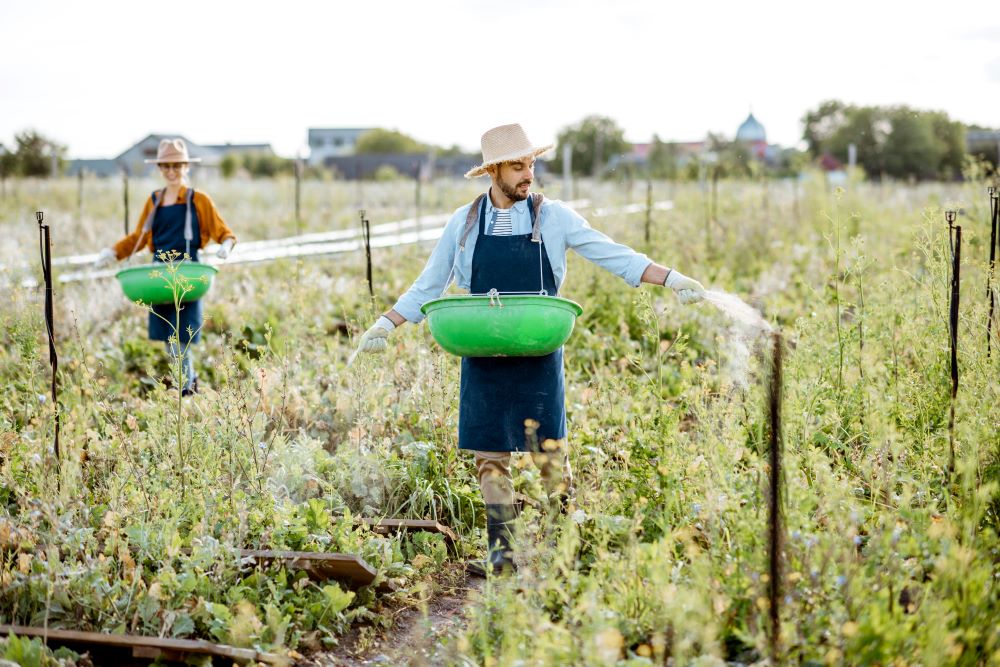
Small-scale farming plays a crucial role in feeding local communities, preserving agricultural biodiversity, and promoting sustainable livelihoods. However, small-scale farmers face numerous obstacles, including climate change, diminishing resources, and market competition, which can threaten their productiveness and long-term viability. Adopting innovative farming practices, such as those offered by Agriplast Protected Cultivation's protected cultivation structures - polyhouses, greenhouses, net houses, and poly tunnel structures - can help small-scale farmers overcome these challenges and unlock a wealth of opportunities for growth and development.
Small-scale farming plays a crucial role in feeding local communities, preserving agricultural biodiversity, and promoting sustainable livelihoods. However, small-scale farmers face numerous obstacles, including climate change, diminishing resources, and market competition, which can threaten their productiveness and long-term viability. Adopting innovative farming practices, such as those offered by Agriplast Protected Cultivation's protected cultivation structures - polyhouses, greenhouses, net houses, and poly tunnel structures - can help small-scale farmers overcome these challenges and unlock a wealth of opportunities for growth and development.
In this post, we will explore the potential benefits of incorporating Agriplast Protected Cultivation's protected cultivation solutions into small-scale farming operations and examine their implications for local communities. By embracing the advancements in agricultural technology offered by Agriplast Protected Cultivation's structures, small-scale farmers can optimize crop growth, enhance efficiency, improve financial stability, and foster greater sustainability.
Join us as we delve into the potential of Agriplast Protected Cultivation's protected cultivation structures to revolutionize small-scale farming and local food systems, empowering farmers to build sustainable businesses while strengthening the fabric of their communities.
Year-Round Cultivation: Maximizing Crop Yields and Farm Profitability
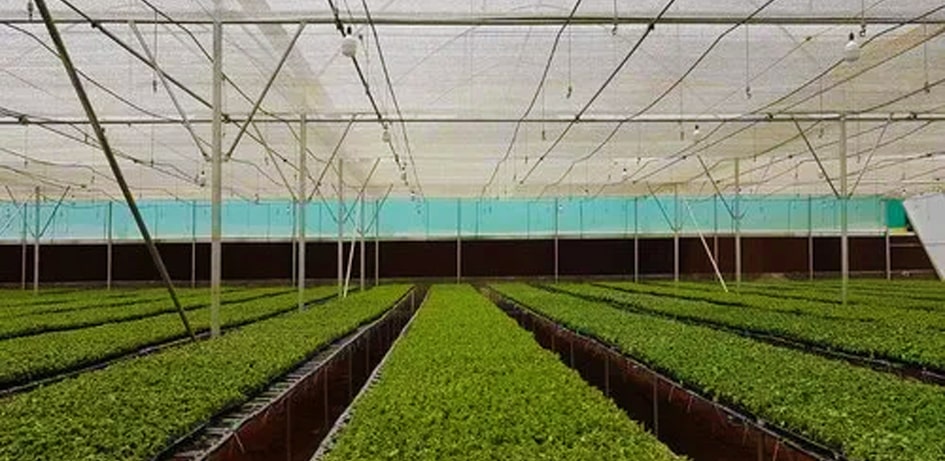
One of the most significant benefits of Agriplast Protected Cultivation’s protected cultivation structures is the ability to grow crops year-round, regardless of external weather conditions. By utilizing advanced climate control systems within their polyhouses and greenhouses, small-scale farmers can maintain optimal temperature, humidity, and light conditions, providing a suitable growing environment for a wide range of crops throughout the year.
Year-round cultivation offers several advantages for small-scale farmers:
1. Increased Crop Yields: Growing crops year-round, without interruptions due to unfavorable weather or climatic conditions, leads to higher overall productivity and harvest volumes.
2. Diversified Crop Selection: Year-round cultivation allows farmers to grow multiple crop cycles or experiment with new crop varieties that may typically struggle in their region's climatic conditions.
3. Enhanced Farm Profitability: With increased crop yields and reduced losses due to weather factors, small-scale farmers can improve overall farm profitability and secure a stable financial future.
Optimized Resource Management: Irrigation and Fertigation Technologies
Agriplast Protected Cultivation’s protected cultivation structures often incorporate advanced irrigation and fertigation technologies, which can effectively optimize water and nutrient management and conserve precious resources.
The benefits of these advanced technologies include:
1. Efficient Water Use: Precision irrigation methods, such as drip and micro-sprinkler systems, ensure optimal water delivery to crops and minimize water waste.
2. Precise Nutrient Application: Fertigation systems enable farmers to deliver precise nutrient concentrations directly to plant root zones, promoting efficient absorption and reducing the likelihood of nutrient leaching or runoff.
By adopting these resource-saving technologies, small-scale farmers can reduce input costs, minimize environmental impact, and maintain crop quality.
Improved Produce Quality and Market Opportunities
By cultivating crops in a protected environment, small-scale farmers can significantly enhance the quality of their produce, ultimately increasing its market value and competitiveness.
The potential benefits of growing high-quality produce within Agriplast Protected Cultivation's protected cultivation structures include:
1. Improved Customer Appeal: Consistent, high-quality produce is more attractive to consumers and is likely to command premium prices in the market, leading to better income generation for the farmer.
2. Expanded Market Access: Farmers growing diverse, high-quality produce in protected structures can tap into niche markets, such as organic produce or specialty crops, which typically have higher profit margins.
By focusing on improved produce quality and market opportunities, small-scale farmers can elevate their farm operations and bolster their overall profitability.
Sustainability and Eco-Friendly Agriculture
Agriplast Protected Cultivation’s protected cultivation structures not only contribute to increased productivity and efficiency but also support environmentally sustainable farming practices. Some key aspects of sustainable agriculture that can be enhanced through the adoption of these protected cultivation solutions include:
1. Water Conservation: Advanced irrigation technologies incorporated into Agriplast Protected Cultivation's structures enable farmers to use water resources more efficiently, ultimately reducing the pressure on local water sources and conserving an essential natural resource.
2. Reduced Chemical Applications: Cultivating crops in a protected environment often minimizes the need for chemical pesticides, herbicides, or fungicides, contributing to healthier ecosystems and reduced environmental contamination.
3. Soil Conservation: Protected cultivation structures help preserve soil quality by reducing soil erosion, compaction, and nutrient depletion, maintaining the overall health of agricultural lands.
By adopting sustainable and eco-friendly agricultural practices within Agriplast Protected Cultivation’s protected cultivation structures, small-scale farmers can actively contribute to a cleaner, healthier, and more responsible food production system.
Conclusion:
The potential benefits of incorporating Agriplast Protected Cultivation’s protected cultivation structures into small-scale farming operations are immense. From maximizing crop yields and optimizing resource management to improving produce quality and market opportunities, adopting these innovative farming solutions can significantly enhance the resilience, profitability, and long-term viability of small-scale farming enterprises.
Additionally, by embracing the environmentally sustainable farming practices enabled by Agriplast Protected Cultivation's protected cultivation structures, small-scale farmers can contribute to the preservation of vital ecosystems and the overall well-being of their local communities.
By seizing the opportunity to revolutionize their farming operations with Agriplast Protected Cultivation's protected farming solutions, small-scale farmers can secure a prosperous and sustainable future for themselves, their families, and their communities. Embrace the innovative farming practices offered by Agriplast Protected Cultivation and begin your journey towards a successful and eco-friendly agricultural business today.
Recent Posts
Your Farm. Your Future.
Every great harvest starts with the right conversation. Let our experts design a polyhouse built around your land, crop, and climate.
Talk to an ExpertFrequently Asked Questions
In this video, Abhishek Bhatt, Director of Agriplast Protected Cultivation, will provide a comprehensive breakdown of why Agriplast Polyhouse outperforms other polyhouses in terms of yield. He'll elucidate on key features like superior design, Israeli technology application, and optimal environmental control. The design facilitates enhanced ventilation, ensuring ideal growing conditions. Additionally, the use of Israeli technology, tailored for Indian agricultural needs, plays a crucial role in maximizing yields. Stay tuned to gain valuable insights into how Agriplast Polyhouse revolutionizes protected cultivation for superior agricultural outcomes.
A greenhouse is a transparent structure which is made using glass where plants are grown under certain climatic conditions. The agricultural industry has got many innovations, and the greenhouse technology makes use of modern and smart technology to give optimum facilities to the plants for their better and more efficient growth all around the year. Polyhouse is a kind of greenhouse where polyethene plastic material is used to create the polyhouse instead of the use of glass.
A greenhouse is designed to grow plants even in adverse climatic conditions. The translucent glass that covers the greenhouse gives the plants enough light to let them carry the photosynthesis process easily by absorbing light energy. Since the greenhouse is in an airtight condition, a sufficient amount of sunlight makes the greenhouse warmer from within than the outer atmosphere.
Greenhouse not only warms the greenhouse from within only in summers but in winters; it allows for an artificial heating solution which is effective but is a bit expensive. Some other inexpensive ways of warming up your greenhouse are:
- If you cover the inside of a greenhouse structure with a bubble layer wrap, you will observe a reduction in heat loss.
- Good power supply availability will allow you to add electric fan heaters to circulate hot air within the greenhouse for the plant's growth.
- You can also get electric greenhouse heaters installed that come with an inbuilt thermostat and works automatically when the temperature of the outer surroundings goes down.
Greenhouse benefits you in several different ways, which are listed below:
- Helps in producing fresh crops at any time of the year.
- The facility of producing the crops all around the year, even in adverse climatic conditions.
- The greenhouse allows the farmers to create an exclusive environment for the better plant growth.
- Protects crops from adverse climatic conditions.
- The light energy within a greenhouse is distributed evenly to all the plants.
- Greenhouse installation makes it easy for the farmers to grow crops with less use of pesticides.
- Greenhouse setup helps in saving the total usage of resources.