BAZAAR OR SUPERMART: Where should you buy from?
‘Jai Jawan, Jai Kisan!’ Heard this enough? You must have. It was raised back in 1965 to increase food grain production in our country, reduce dependence on imports and most importantly, to do away with the plight of farmers. However, 53 years down the lane, nothing changed much. The misery, the plight, the undeterred efforts and the not so appreciable gains are all the same. Who is at fault? None can deny, agriculture in India is more a way of life than just a mode of business. Farming has been the backbone of the Indian economy. About half of the Indian population depends on agriculture for income. Agriculture and its related sectors contribute around US$244.74 billion to India’s economy. Besides commercial agriculture, subsistence agriculture i.e. farming with an emphasis on the production of food for the cultivator’s family is widespread in our country.
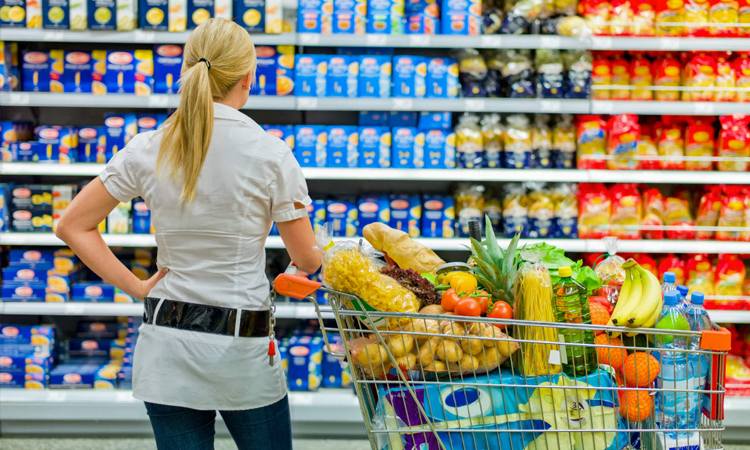
Agriculture production and farmers’ welfare are like two sides of the coin. Despite India being a ‘green power,’ farmers continue to commit suicide. Don’t you think this is a cause demanding concern? Corporatization of the farming sector - what appears good may not be so good! There are repeated stories in the media on how FDI in retail could benefit the farmers of India. But unfortunately, the evidence points in the opposite direction. Farmers have to pay a big price, with hundreds of them forced to shut down their farms, due to the big retailers and supermarkets coming up. Big retail functions on a simple business model. Expand more and more till the market becomes an oligopsony — which means a situation where power is exerted by a small number of buyers over a large number of sellers. Big companies keep getting bigger with the chain of exploitation, using wholesale agents who extract low prices from unorganized, indebted farmers. They exert pressure on the small farmer who is worried to sell his produce. The UK food retailing industry, for example, is now dominated by just four supermarket chains who together account for over two-thirds of retail food sales. Likewise, the top five chains in the US account for over 60 percent of food sales. We all buy food, but not everyone gets their food from the same place. The hawker who comes to your colony every morning or the farmer in the local bazaar wants to sell their produce to you. Also, the big stores in your big city with a variety of so-called ‘fresh’ daily items want you to grab a few things from there. Advocate P Sainath, who has been writing about rural India for 18 years says, “The middleman at the city end (in the local bazaar) is usually a poor woman vendor who carries up to seven flights of stairs 35 kilograms of produce on her head. Every day it's getting more difficult for her to get produce because the wholesalers sell directly to Reliance Fresh and Godrej Nature's Basket (the supermarket giants.)"
Recent Posts
Your Farm. Your Future.
Every great harvest starts with the right conversation. Let our experts design a polyhouse built around your land, crop, and climate.
Talk to an ExpertFrequently Asked Questions
In this video, Abhishek Bhatt, Director of Agriplast Protected Cultivation, will provide a comprehensive breakdown of why Agriplast Polyhouse outperforms other polyhouses in terms of yield. He'll elucidate on key features like superior design, Israeli technology application, and optimal environmental control. The design facilitates enhanced ventilation, ensuring ideal growing conditions. Additionally, the use of Israeli technology, tailored for Indian agricultural needs, plays a crucial role in maximizing yields. Stay tuned to gain valuable insights into how Agriplast Polyhouse revolutionizes protected cultivation for superior agricultural outcomes.
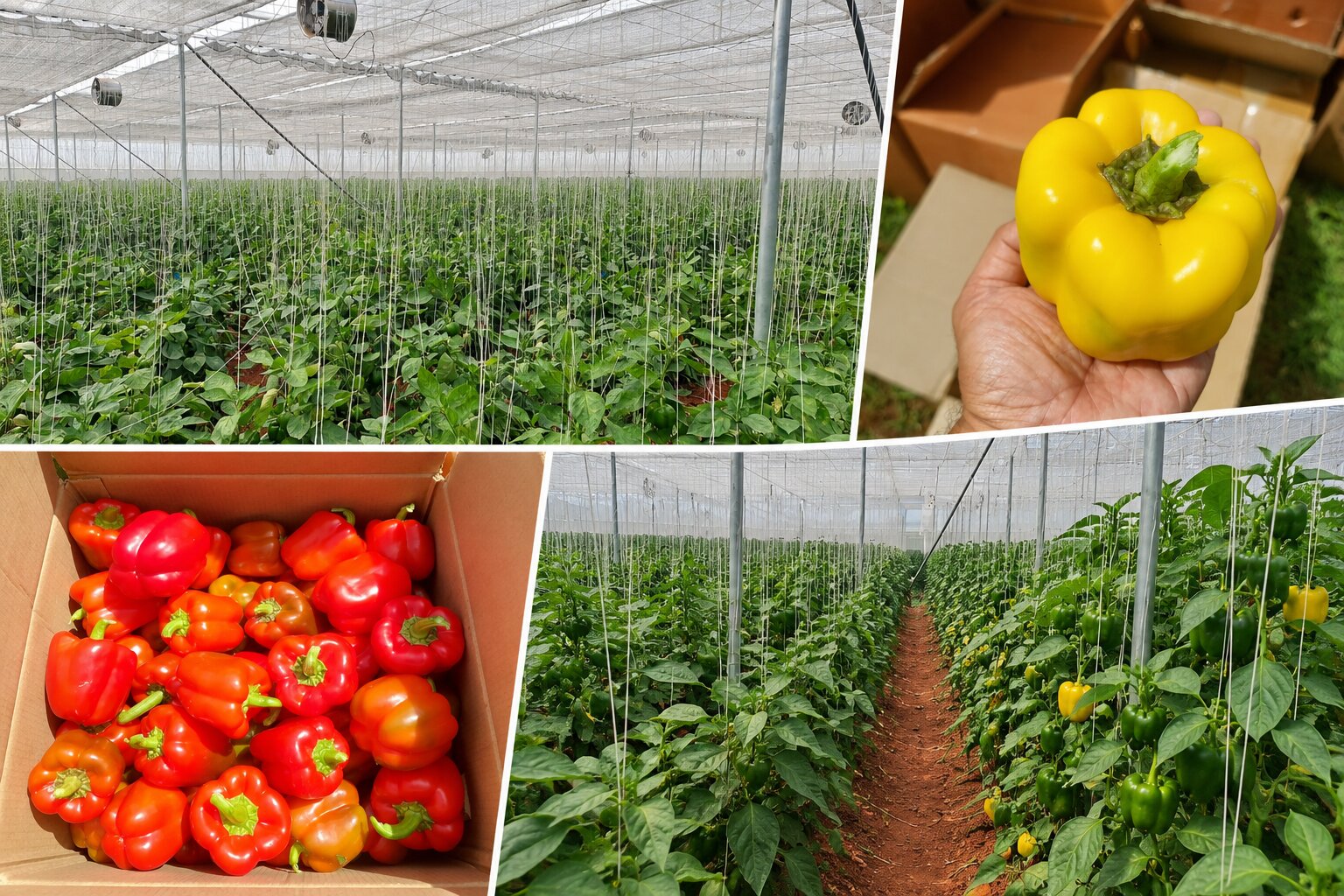
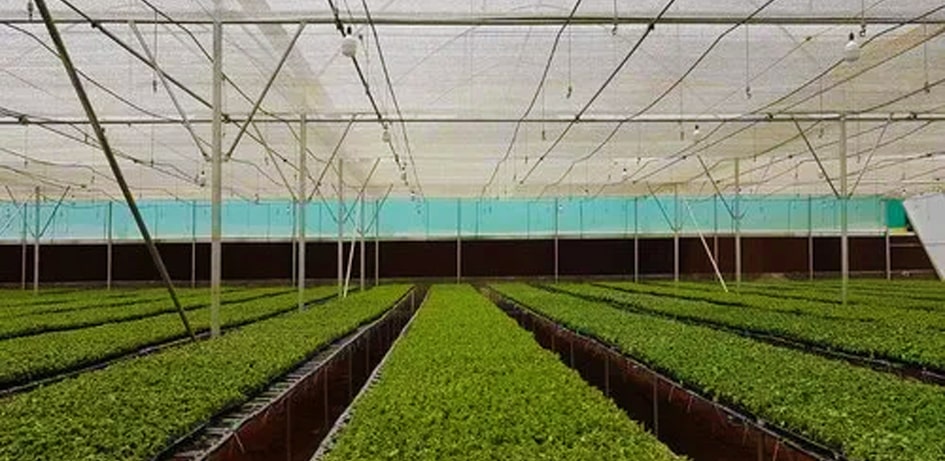
A greenhouse is a transparent structure which is made using glass where plants are grown under certain climatic conditions. The agricultural industry has got many innovations, and the greenhouse technology makes use of modern and smart technology to give optimum facilities to the plants for their better and more efficient growth all around the year. Polyhouse is a kind of greenhouse where polyethene plastic material is used to create the polyhouse instead of the use of glass.
A greenhouse is designed to grow plants even in adverse climatic conditions. The translucent glass that covers the greenhouse gives the plants enough light to let them carry the photosynthesis process easily by absorbing light energy. Since the greenhouse is in an airtight condition, a sufficient amount of sunlight makes the greenhouse warmer from within than the outer atmosphere.
Greenhouse not only warms the greenhouse from within only in summers but in winters; it allows for an artificial heating solution which is effective but is a bit expensive. Some other inexpensive ways of warming up your greenhouse are:
- If you cover the inside of a greenhouse structure with a bubble layer wrap, you will observe a reduction in heat loss.
- Good power supply availability will allow you to add electric fan heaters to circulate hot air within the greenhouse for the plant's growth.
- You can also get electric greenhouse heaters installed that come with an inbuilt thermostat and works automatically when the temperature of the outer surroundings goes down.
Greenhouse benefits you in several different ways, which are listed below:
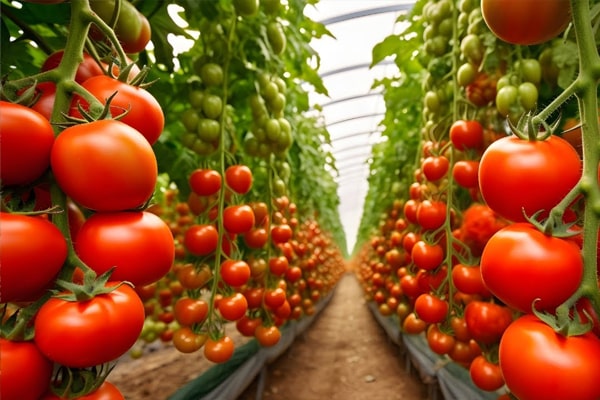
- Helps in producing fresh crops at any time of the year.
- The facility of producing the crops all around the year, even in adverse climatic conditions.
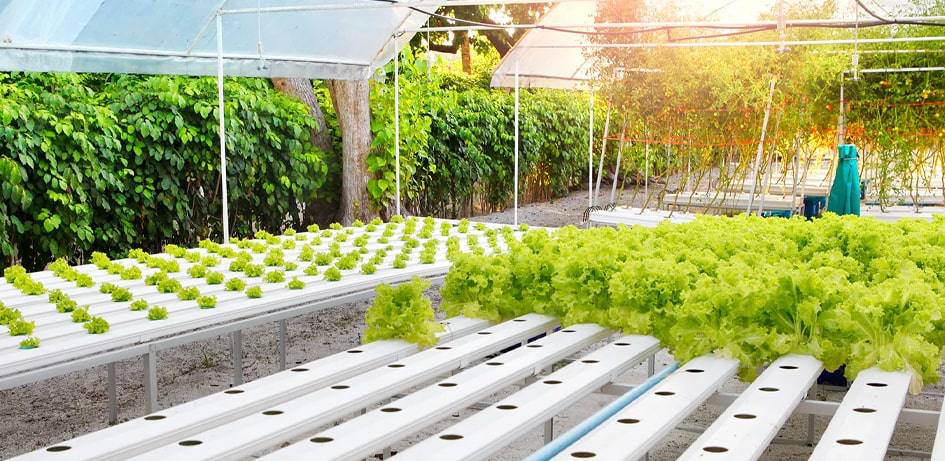
- The greenhouse allows the farmers to create an exclusive environment for the better plant growth.
- Protects crops from adverse climatic conditions.
- The light energy within a greenhouse is distributed evenly to all the plants.
- Greenhouse installation makes it easy for the farmers to grow crops with less use of pesticides.
- Greenhouse setup helps in saving the total usage of resources.