Climate Control in Polyhouse Farming: Optimizing the Growing Environment for Maximum Productivity
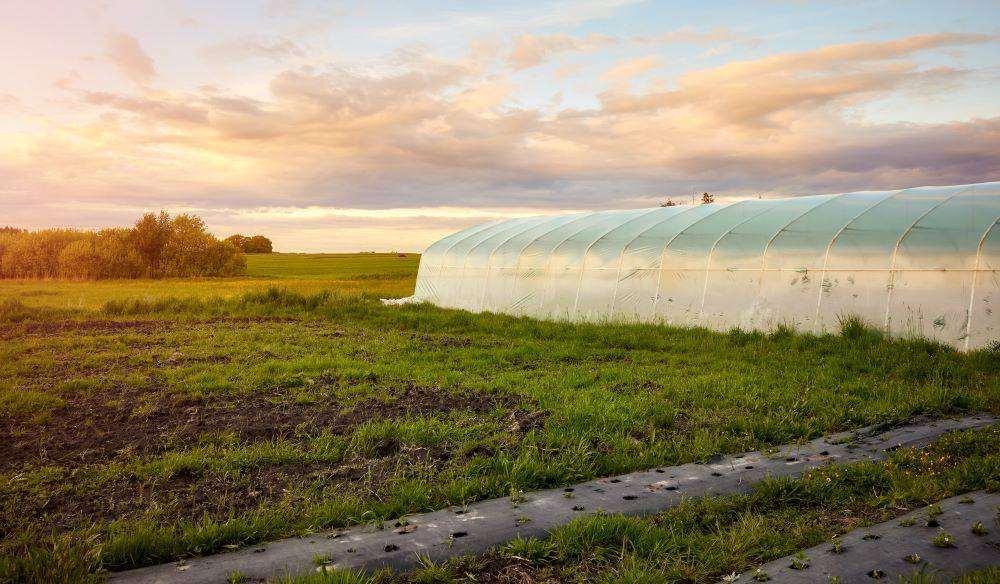
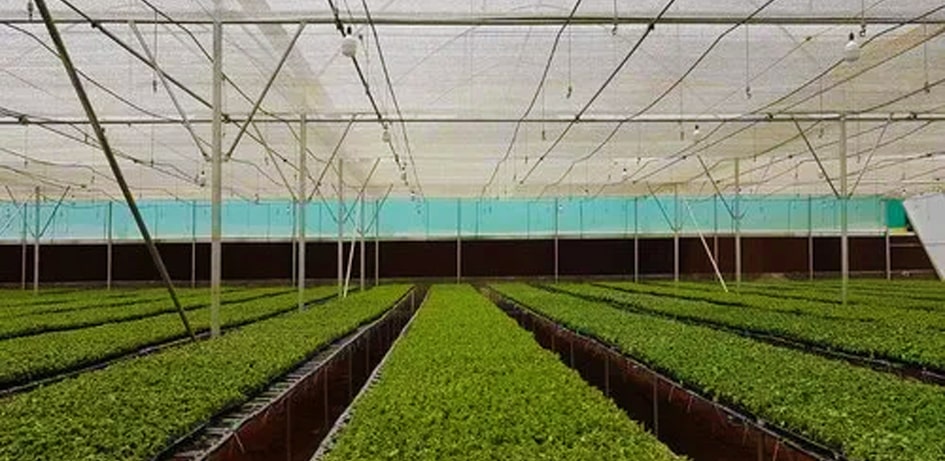
Climate control is a crucial aspect of successful polyhouse farming, as it ensures that plants grow in an environment tailored to their specific needs, ultimately leading to higher crop yields, improved crop quality, and increased overall productivity. Polyhouse structures provide a great degree of control over the growing environment, allowing farmers to fine-tune temperature, humidity, light, and CO2 levels to establish the most favorable conditions for healthy, thriving plants.
In this blog, we will delve into the vital role of climate control in polyhouse farming, discussing the factors that contribute to an ideal growing environment and the specific climate control technologies widely used to create these conditions. We will also examine how Agriplast Protected Cultivation's innovative solutions and dedicated support can assist polyhouse farmers in reaching their full potential through optimized climate control. By the end of this article, you will have a comprehensive understanding of the facets of climate control in polyhouse farming and how these elements work together to drive increased productivity and agricultural success.
Key Components of Climate Control in Polyhouse Farming
1. Temperature Control:
Temperature plays a significant role in plant growth and development, and maintaining consistent and appropriate temperature levels is vital for optimal plant performance. Polyhouse farmers must implement effective heating and cooling systems, as well as proper ventilation, to ensure that the desired temperature levels are consistently maintained throughout the growing season.
2. Humidity Management:
Relative humidity (RH) impacts plant transpiration, nutrient uptake, and the development of plant pathogens. By maintaining proper humidity levels within a polyhouse, farmers can enhance crop growth and reduce the chances of disease. Dehumidification systems, fogging systems, and proper ventilation all play a role in effectively managing humidity within polyhouse farming operations.
3. Light Control:
Light is essential for photosynthesis and plant growth, and its proper management directly affects crop yield and quality. In polyhouse farming, farmers utilize natural light through strategically designed structures, as well as supplemental artificial lighting, to ensure their crops receive adequate light and maintain optimal growth rates.
4. CO2 Enrichment:
In addition to light, plants require carbon dioxide (CO2) for photosynthesis. CO2 enrichment systems can significantly improve plant growth and productivity by enhancing the CO2 concentration within the polyhouse environment. These systems allow farmers to tailor CO2 levels to their crops' specific needs, ensuring optimum growth conditions.
Climate Control Technologies Used in Polyhouse Farming
1. Heating Systems:
Effective heating systems, such as forced-air heaters, radiant heaters, or ground heat exchangers, help to maintain optimum temperature levels during cold periods. Strategic placement, type, and capacity of these heating systems are of utmost importance to provide uniform heating and prevent temperature fluctuations within the polyhouse.
2. Cooling and Ventilation Systems:
Proper cooling and ventilation are essential in preventing overheating and maintaining a balanced growing environment. Technologies such as evaporative cooling systems, exhaust fans, and roof vents aid in efficiently managing temperature and humidity levels, as well as providing adequate air circulation, which is vital for healthy plant growth.
3. Artificial Lighting Systems:
LED, high-pressure sodium (HPS), and compact fluorescent (CFL) lighting systems can provide supplemental light required for optimal plant growth, especially during short daylight periods. The choice of lighting technology depends on various factors, including crop type, growth stage, and energy efficiency considerations.
4. Automated Climate Control Systems:
Automated control systems integrate various sensors and controllers, allowing farmers to monitor and adjust environmental conditions within their polyhouse. Autonome systems ensure that growing conditions remain within the desired range, reducing the burden on farmers and enabling more precise and efficient climate control operation.
How Agriplast Protected Cultivation Assists Farmers in Achieving Optimal Climate Control
1. Expert Consultation:
Agriplast Protected Cultivation’s team of skilled professionals provides consultation and support to polyhouse farmers, helping them identify the ideal climate control solutions for their specific operations. By offering insights into the latest technologies and practices, Agriplast Protected Cultivation ensures farmers are well-equipped to maintain optimal growing conditions for their crops.
2. Advanced Climate Control Solutions:
Agriplast Protected Cultivation offers a wide range of innovative climate control products, including heating, cooling, lighting, and CO2 enrichment systems, as well as advanced automated control solutions. Their extensive product offerings enable farmers to develop tailored climate control strategies that address their crops’ unique environmental requirements.
3. Ongoing Support and Troubleshooting:
Agriplast Protected Cultivation remains committed to farmers throughout their growing seasons, offering ongoing support and troubleshooting assistance to help them overcome any climate control challenges they might encounter. This dedication to customer success ensures that polyhouse farmers continuously maintain optimal growing conditions, resulting in increased crop yields and overall productivity.
Conclusion
Effective climate control is crucial for the success of polyhouse farming operations, as it ensures optimized growing conditions for enhanced crop growth, yield, and productivity. By understanding the key components of climate control, utilizing appropriate technologies, and partnering with Agriplast Protected Cultivation for expert consultation, solutions, and support, polyhouse farmers can maximize their agricultural success and realize the full potential of their controlled growing environments.
Agriplast Protected Cultivation, India's largest greenhouse factory, is committed to assisting polyhouse farmers in optimizing their climate control systems, from selecting the best technologies to offering expert guidance and support throughout their cultivation journey. With an extensive selection of advanced climate control products and a team of experienced professionals, we provide farmers with the tools and expertise needed to successfully operate efficient, productive, and sustainable polyhouse farming operations. Contact us today to schedule a consultation!
Recent Posts
Your Farm. Your Future.
Every great harvest starts with the right conversation. Let our experts design a polyhouse built around your land, crop, and climate.
Talk to an ExpertFrequently Asked Questions
In this video, Abhishek Bhatt, Director of Agriplast Protected Cultivation, will provide a comprehensive breakdown of why Agriplast Polyhouse outperforms other polyhouses in terms of yield. He'll elucidate on key features like superior design, Israeli technology application, and optimal environmental control. The design facilitates enhanced ventilation, ensuring ideal growing conditions. Additionally, the use of Israeli technology, tailored for Indian agricultural needs, plays a crucial role in maximizing yields. Stay tuned to gain valuable insights into how Agriplast Polyhouse revolutionizes protected cultivation for superior agricultural outcomes.
A greenhouse is a transparent structure which is made using glass where plants are grown under certain climatic conditions. The agricultural industry has got many innovations, and the greenhouse technology makes use of modern and smart technology to give optimum facilities to the plants for their better and more efficient growth all around the year. Polyhouse is a kind of greenhouse where polyethene plastic material is used to create the polyhouse instead of the use of glass.
A greenhouse is designed to grow plants even in adverse climatic conditions. The translucent glass that covers the greenhouse gives the plants enough light to let them carry the photosynthesis process easily by absorbing light energy. Since the greenhouse is in an airtight condition, a sufficient amount of sunlight makes the greenhouse warmer from within than the outer atmosphere.
Greenhouse not only warms the greenhouse from within only in summers but in winters; it allows for an artificial heating solution which is effective but is a bit expensive. Some other inexpensive ways of warming up your greenhouse are:
- If you cover the inside of a greenhouse structure with a bubble layer wrap, you will observe a reduction in heat loss.
- Good power supply availability will allow you to add electric fan heaters to circulate hot air within the greenhouse for the plant's growth.
- You can also get electric greenhouse heaters installed that come with an inbuilt thermostat and works automatically when the temperature of the outer surroundings goes down.
Greenhouse benefits you in several different ways, which are listed below:
- Helps in producing fresh crops at any time of the year.
- The facility of producing the crops all around the year, even in adverse climatic conditions.
- The greenhouse allows the farmers to create an exclusive environment for the better plant growth.
- Protects crops from adverse climatic conditions.
- The light energy within a greenhouse is distributed evenly to all the plants.
- Greenhouse installation makes it easy for the farmers to grow crops with less use of pesticides.
- Greenhouse setup helps in saving the total usage of resources.