Embracing Sustainable Agriculture Practices in Agriplast's Protected Cultivation Structures
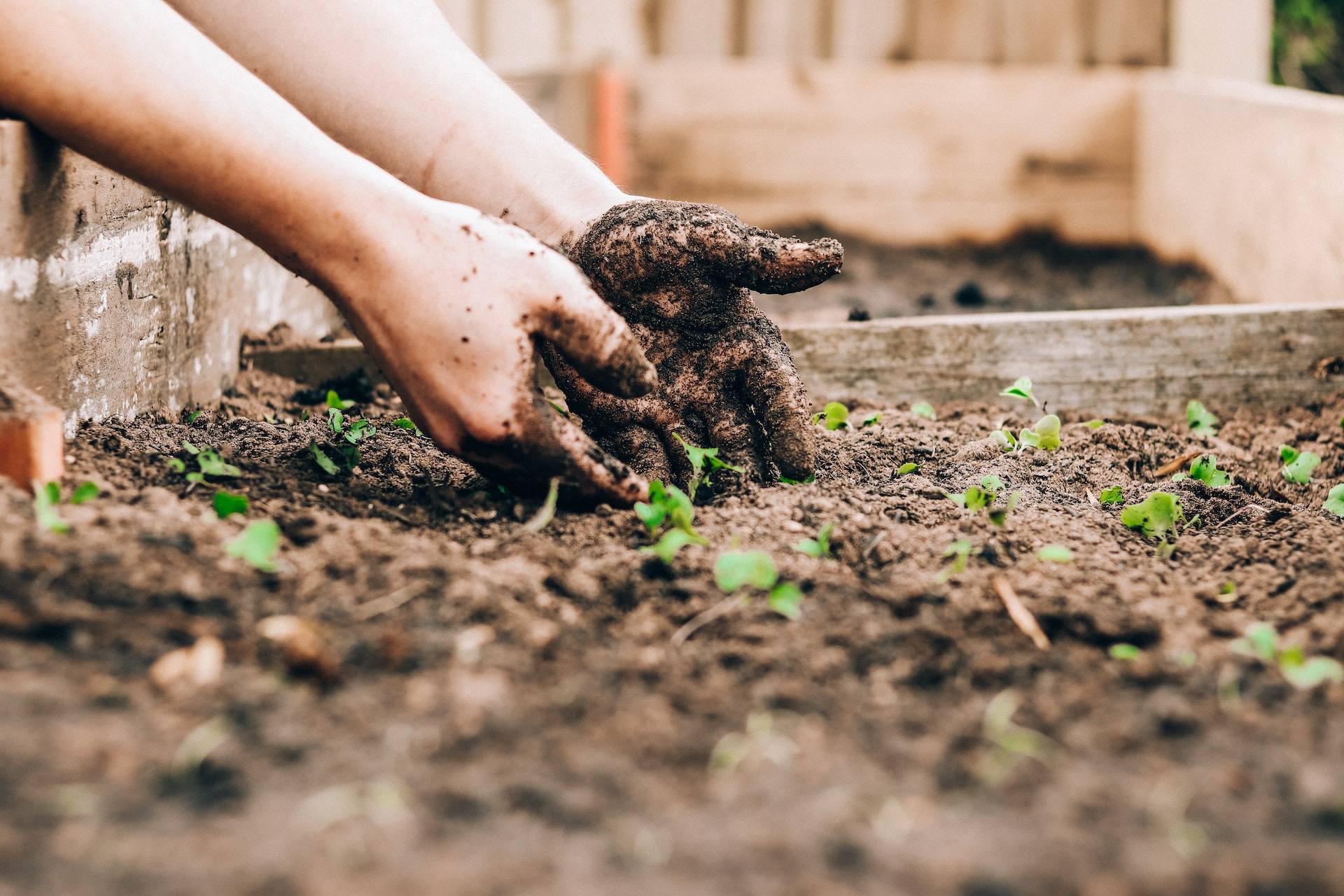
The global agriculture sector faces immense challenges in balancing the growing food demands of an expanding population with the need to preserve and protect the environment. One such solution is adopting sustainable agriculture practices within their state-of-the-art polyhouses, greenhouses, and net houses.
Sustainable agriculture focuses on meeting the food and fiber needs of the current generation while preserving finite resources for future generations. It encompasses a wide range of techniques aimed at reducing resource consumption, minimizing environmental impact, and maintaining the long-term economic viability of farming operations. By incorporating these practices within Agriplast's protected cultivation structures, growers can effectively boost crop yields, improve resource and energy efficiency, and contribute to a healthier ecosystem.
In this article seeks to explore the key sustainable agriculture techniques that can be applied within Agriplast's protected cultivation structures. From organic farming approaches and effective soil management to water conservation practices and enhancing on-farm biodiversity, the article will delve into the various methods that can help growers create a more ecologically responsible agricultural system. By embracing these techniques, farmers can not only maximize the potential of their Agriplast's structures but also ensure a sustainable future for the agriculture industry and the planet as a whole.
Organic Farming Techniques – Harnessing Natural Processes for Enhanced Crop Health
Organic farming practices involve using natural methods to maintain soil fertility, control pests and diseases, and promote plant growth. These techniques can be effectively applied within Agriplast's protected cultivation structures, reducing the reliance on synthetic chemicals while ensuring high crop yields.
By incorporating methods such as composting, crop rotations, and biological pest control, growers can significantly improve the overall health of their crops and minimize the environmental impacts of their operations. Moreover, the controlled environment of Agriplast's structures allows for better implementation of these organic approaches, creating an ideal balance between productivity and environmental preservation.
Effective Soil Management – Building a Solid Foundation for Successful Agriculture
Healthy, fertile soil plays a vital role in sustainable agriculture, providing essential nutrients and support for optimal plant growth. Proper soil management techniques can be seamlessly integrated into Agriplast's protected cultivation structures, building a strong foundation for successful agriculture.
Some key soil management practices include using natural fertilizers and amendments, practicing crop rotation and cover cropping, and minimizing soil compaction and erosion. By adopting these techniques, growers can enhance soil fertility, protect the natural foundation of their crops, and achieve higher yields within their protected cultivation structures.
Water Conservation Practices – Maximizing Efficiency and Minimizing Waste
Water is a precious resource in agriculture, and conserving it is crucial for maintaining a sustainable farming operation. Implementing efficient water management and conservation practices within Agriplast's protected cultivation structures can significantly reduce water waste and ensure optimal crop growth.
By adopting practices such as drip irrigation, rainwater harvesting, and proper moisture sensing, growers can effectively utilize water resources and minimize waste. The enclosed nature of Agriplast's structures also helps retain moisture more efficiently, further contributing to water conservation efforts and overall sustainability.
Enhancing On-Farm Biodiversity – Promoting a Healthy Agroecosystem
Maintaining and enhancing biodiversity within Agriplast's protected cultivation structures is a powerful strategy for creating a more resilient and healthy agroecosystem. Biodiversity contributes to ecological balance, helping to control pests and diseases, maintain soil fertility, and improve pollination services.
Growers can incorporate practices such as planting diverse crops and cultivars, introducing beneficial insects, and fostering habitat for local wildlife to enhance on-farm biodiversity. These efforts can lead to increased crop resilience, decreased pesticide usage, and an overall healthier and more ecologically responsible farming environment within Agriplast's protected cultivation structures.
Conclusion:
By embracing sustainable agriculture practices within Agriplast's protected cultivation structures, growers can successfully manage the delicate balance between meeting food production needs and ensuring environmental preservation. The techniques discussed in this article, including organic farming, effective soil management, water conservation, and enhancing biodiversity, can significantly improve crop yields, resource efficiency, and overall farm sustainability.
Incorporating these practices within Agriplast's state-of-the-art polyhouses, greenhouses, and net houses not only allows growers to maximize the performance of their protected cultivation investments but also contributes to a more sustainable and environmentally responsible agriculture industry. As the world grapples with the challenges of feeding a growing population and preserving our natural resources, adopting sustainable agriculture techniques within Agriplast's protected cultivation structures paves the way for a future that nourishes both people and the planet.
As a leading polyhouse manufacturer in India, Agriplast Protected Cultivation is committed to offering workable solutions to help growers stay on the path of continuous growth while minimizing their ecological footprint. To learn more about how we can help you embrace sustainable agriculture practices and boost crop yields, contact us today to get started. Let's grow together sustainably!
Recent Posts
Your Farm. Your Future.
Every great harvest starts with the right conversation. Let our experts design a polyhouse built around your land, crop, and climate.
Talk to an ExpertFrequently Asked Questions
In this video, Abhishek Bhatt, Director of Agriplast Protected Cultivation, will provide a comprehensive breakdown of why Agriplast Polyhouse outperforms other polyhouses in terms of yield. He'll elucidate on key features like superior design, Israeli technology application, and optimal environmental control. The design facilitates enhanced ventilation, ensuring ideal growing conditions. Additionally, the use of Israeli technology, tailored for Indian agricultural needs, plays a crucial role in maximizing yields. Stay tuned to gain valuable insights into how Agriplast Polyhouse revolutionizes protected cultivation for superior agricultural outcomes.
A greenhouse is a transparent structure which is made using glass where plants are grown under certain climatic conditions. The agricultural industry has got many innovations, and the greenhouse technology makes use of modern and smart technology to give optimum facilities to the plants for their better and more efficient growth all around the year. Polyhouse is a kind of greenhouse where polyethene plastic material is used to create the polyhouse instead of the use of glass.
A greenhouse is designed to grow plants even in adverse climatic conditions. The translucent glass that covers the greenhouse gives the plants enough light to let them carry the photosynthesis process easily by absorbing light energy. Since the greenhouse is in an airtight condition, a sufficient amount of sunlight makes the greenhouse warmer from within than the outer atmosphere.
Greenhouse not only warms the greenhouse from within only in summers but in winters; it allows for an artificial heating solution which is effective but is a bit expensive. Some other inexpensive ways of warming up your greenhouse are:
- If you cover the inside of a greenhouse structure with a bubble layer wrap, you will observe a reduction in heat loss.
- Good power supply availability will allow you to add electric fan heaters to circulate hot air within the greenhouse for the plant's growth.
- You can also get electric greenhouse heaters installed that come with an inbuilt thermostat and works automatically when the temperature of the outer surroundings goes down.
Greenhouse benefits you in several different ways, which are listed below:
- Helps in producing fresh crops at any time of the year.
- The facility of producing the crops all around the year, even in adverse climatic conditions.
- The greenhouse allows the farmers to create an exclusive environment for the better plant growth.
- Protects crops from adverse climatic conditions.
- The light energy within a greenhouse is distributed evenly to all the plants.
- Greenhouse installation makes it easy for the farmers to grow crops with less use of pesticides.
- Greenhouse setup helps in saving the total usage of resources.