Enhance Crop Productivity with Smart Technologies in Agriplast Structures

Adopting advanced technologies in agriculture has become increasingly important in meeting the growing food demands of global populations while simultaneously addressing challenges of limited resources, climate change, and sustainable practices. The integration of advanced technologies in Agriplast's protected cultivation structures can lead to smarter farming approaches, boosting crop productivity, resource efficiency, and overall profitability. These technologies focus on various aspects of crop management, from precision irrigation and fertilization to climate control and data-driven decisions. By leveraging these innovations, growers can move towards sustainable agriculture practices, ensuring productivity, profitability, and environmental conservation.
This article aims to shed light on some of the cutting-edge technologies that can be implemented within Agriplast’s protected cultivation structures, highlighting their key features, benefits, and the improved outcomes they can deliver for growers. By understanding and adopting these technologies, Agriplast's customers in India and abroad can harness the true potential of their protected cultivation investments and enjoy the bountiful rewards of modern agriculture with a sustainable and environmentally responsible approach.
Precision Irrigation and Fertilization – Optimized Water and Nutrient Management
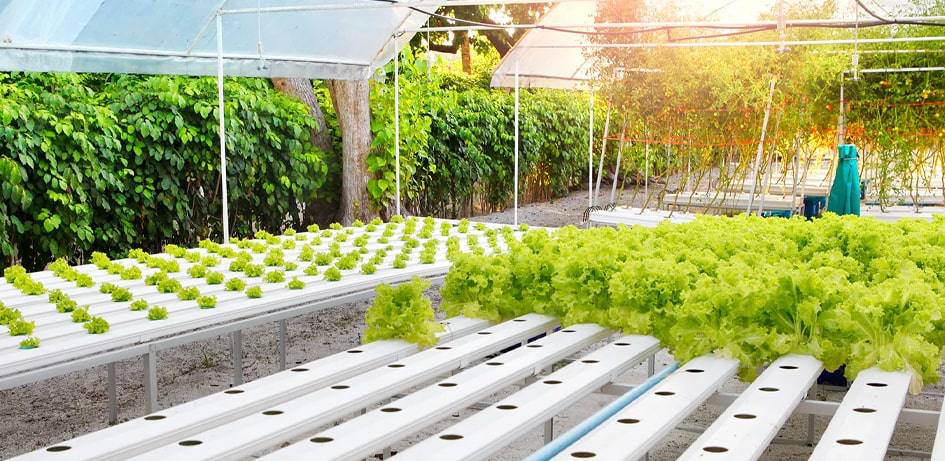
Precision irrigation and fertilization technologies are crucial tools that enable growers to increase crop yields and resource efficiency in Agriplast's protected cultivation structures. These technologies, such as drip irrigation systems and fertigation equipment, precisely deliver water and nutrients to plant roots, minimizing waste and optimizing resource usage.
By implementing precision irrigation and fertigation systems, growers can benefit from reduced water and fertilizer consumption, lower pollution levels from nutrient runoff, and improved crop growth and overall yield. Agriplast's protected cultivation structures provide an ideal environment for these technologies, allowing farmers to take full advantage of these resource-saving innovations.
Climate Control Systems – Precision Environmental Monitoring and Regulation
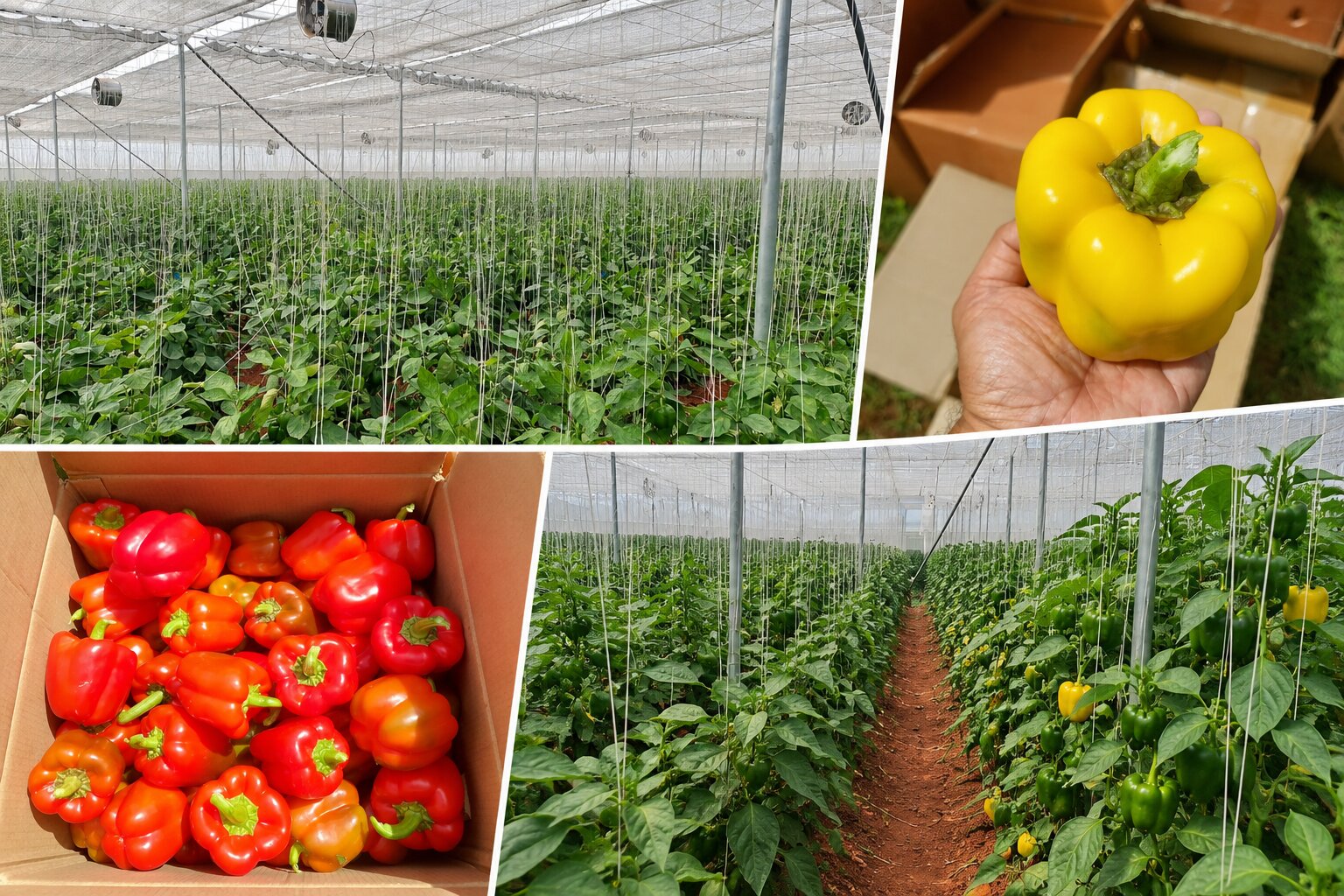
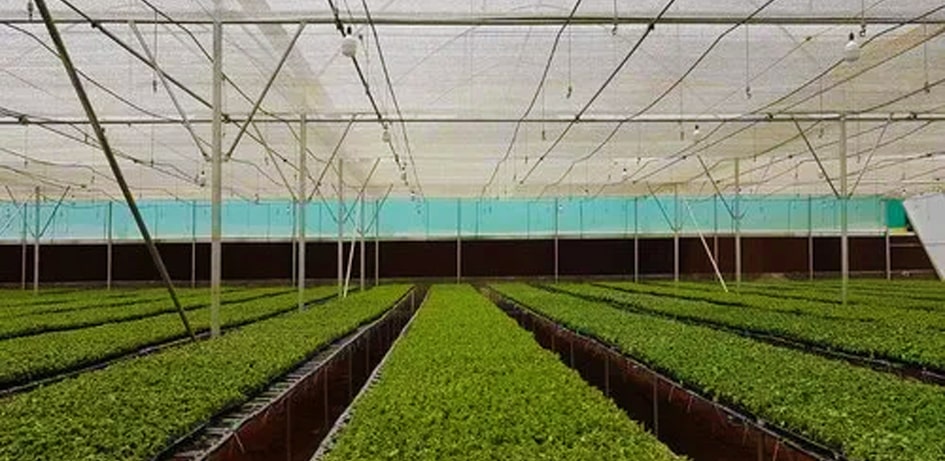
Climate control systems are vital components for maximizing crop productivity in Agriplast's polyhouses, greenhouses, and net houses. These advanced systems employ sensors and automated equipment to monitor and regulate environmental parameters such as temperature, humidity, CO2 levels, and light intensity, ensuring the ideal growing conditions for plants.
By implementing climate control systems, growers can effectively manage the environmental conditions within their protected cultivation structures, leading to improved plant growth, health, and yield. Furthermore, these systems can help prevent crop stress, suppress pests and diseases, and even reduce energy consumption and operating costs.
Data-Driven Technologies – Harnessing the Power of Information for Smarter Decision-Making
Data-driven technologies, such as automated data collection systems and decision support tools, can revolutionize the way growers manage their crops within Agriplast's protected cultivation structures. These innovations gather and analyze real-time data from various sensors and equipment throughout the growing environment, providing valuable insights and recommendations for farmers.
When integrated within the protected cultivation structures, data-driven technologies can empower growers to make informed decisions and optimize various aspects of crop management, such as pest control, fertilization, and climate regulation. By tapping into this wealth of information, Agriplast's customers can perform real-time adjustments and strategic planning across their operations, ultimately improving crop quality and profitability.
Advanced Crop Monitoring – Ensuring Proactive Management and Timely Interventions
Advanced crop monitoring technologies, such as remote sensing and machine vision, can play a significant role in proactively managing crop health and growth in Agriplast's protected cultivation structures. By utilizing devices like multispectral cameras, infrared sensors, or drones, growers can continuously track and monitor the health of their plants, promptly identifying any issues and reacting accordingly.
These crop-monitoring tools can facilitate early detection of pests, diseases, and other potential threats, enabling growers to take timely, targeted actions to preserve crop health and avoid significant losses. By incorporating advanced monitoring technologies within their protected cultivation structures, Agriplast's customers can stay one step ahead of potential issues and ensure the ongoing success of their agricultural ventures.
Conclusion
The integration of innovative technologies into Agriplast's protected cultivation structures offers a myriad of benefits for growers, with the potential to significantly improve crop productivity, resource efficiency, and overall profitability. By embracing these cutting-edge advancements, Agriplast customers can not only maximize the performance of their protected cultivation investments but also contribute to a more sustainable and environmentally responsible agriculture industry.
As the world's food demands continue to grow in tandem with the challenges of climate change and resource scarcity, innovative technologies become increasingly necessary for the agriculture sector. Agriplast's dedication to implementing these technological solutions within their protected cultivation structures showcases the company's commitment to driving sustainable, modern, and profitable agriculture for their customers in India and across the globe.
As a leading polyhouse manufacturer in India that continuously strives for the best outcomes, Agriplast Protected Cultivation recognizes the essential role of innovative technologies in modern agriculture, especially within their state-of-the-art polyhouses, greenhouses, and net houses. We always strive to offer the best possible outcomes along with workable solutions to help you lead a continuous growth process. Contact us today to learn more!
Recent Posts
Your Farm. Your Future.
Every great harvest starts with the right conversation. Let our experts design a polyhouse built around your land, crop, and climate.
Talk to an ExpertFrequently Asked Questions
In this video, Abhishek Bhatt, Director of Agriplast Protected Cultivation, will provide a comprehensive breakdown of why Agriplast Polyhouse outperforms other polyhouses in terms of yield. He'll elucidate on key features like superior design, Israeli technology application, and optimal environmental control. The design facilitates enhanced ventilation, ensuring ideal growing conditions. Additionally, the use of Israeli technology, tailored for Indian agricultural needs, plays a crucial role in maximizing yields. Stay tuned to gain valuable insights into how Agriplast Polyhouse revolutionizes protected cultivation for superior agricultural outcomes.
A greenhouse is a transparent structure which is made using glass where plants are grown under certain climatic conditions. The agricultural industry has got many innovations, and the greenhouse technology makes use of modern and smart technology to give optimum facilities to the plants for their better and more efficient growth all around the year. Polyhouse is a kind of greenhouse where polyethene plastic material is used to create the polyhouse instead of the use of glass.
A greenhouse is designed to grow plants even in adverse climatic conditions. The translucent glass that covers the greenhouse gives the plants enough light to let them carry the photosynthesis process easily by absorbing light energy. Since the greenhouse is in an airtight condition, a sufficient amount of sunlight makes the greenhouse warmer from within than the outer atmosphere.
Greenhouse not only warms the greenhouse from within only in summers but in winters; it allows for an artificial heating solution which is effective but is a bit expensive. Some other inexpensive ways of warming up your greenhouse are:
- If you cover the inside of a greenhouse structure with a bubble layer wrap, you will observe a reduction in heat loss.
- Good power supply availability will allow you to add electric fan heaters to circulate hot air within the greenhouse for the plant's growth.
- You can also get electric greenhouse heaters installed that come with an inbuilt thermostat and works automatically when the temperature of the outer surroundings goes down.
Greenhouse benefits you in several different ways, which are listed below:
- Helps in producing fresh crops at any time of the year.
- The facility of producing the crops all around the year, even in adverse climatic conditions.
- The greenhouse allows the farmers to create an exclusive environment for the better plant growth.
- Protects crops from adverse climatic conditions.
- The light energy within a greenhouse is distributed evenly to all the plants.
- Greenhouse installation makes it easy for the farmers to grow crops with less use of pesticides.
- Greenhouse setup helps in saving the total usage of resources.