Expanding Horizons: The Power of Protected Cultivation Structures in Medicinal and Aromatic Plant Farming

With increasing global interest in natural remedies, alternative medicines, and holistic wellness, the demand for medicinal and aromatic plants has soared in recent years. Today, these plants serve as the foundation for a rapidly growing market in the pharmaceutical, nutraceutical, and wellness industries. To capitalize on this burgeoning demand and the potential for an expanding new market, many farmers are exploring innovative cultivation practices, such as employing protected cultivation structures like polyhouses, greenhouses, net houses, and poly tunnel structures.
In this article, we will delve into the benefits and potential of utilizing protected cultivation structures, such as those offered by Agriplast Protected Cultivation, for cultivating medicinal and aromatic plants. By adopting these innovative solutions, farmers can access new opportunities in the pharmaceutical and wellness sectors while enhancing the productivity and sustainability of their plant cultivation practices. We will explore the advantages of protected cultivation structures on medicinal and aromatic plant farming.
As global trends lean towards pursuing alternative medicines and natural health products, the cultivation of medicinal and aromatic plants within protected cultivation structures represents an exciting and promising opportunity. Join us as we examine how Agriplast Protected Cultivation’s protected cultivation structures can transform the farming of these valuable plants and potentially shape the future of the wellness and pharmaceutical industries.
Optimal Growing Conditions: Controlled Environmental Factors
One of the primary advantages of utilizing protected cultivation structures in the farming of medicinal and aromatic plants is the ability to create and maintain optimal growing conditions within a controlled environment. Many of these valuable plants require specific temperature, humidity, and light intensity levels to thrive. Polyhouses, greenhouses, net houses, and poly tunnel structures offer growers the means to carefully regulate these environmental factors and ensure consistent, high-quality plant growth.
Benefits of controlled environments for medicinal and aromatic plant cultivation:
1. Temperature Regulation: With protected cultivation structures, farmers can maintain ideal temperature conditions for their specific crops, ensuring consistent growth and maximum production throughout the year.
2. Humidity Management: Proper humidity levels are crucial for the healthy growth of medicinal and aromatic plants. Utilizing advanced climate control systems within protected cultivation structures allows farmers to maintain ideal humidity levels, reducing the risk of plant diseases and boosting plant growth.
3. Optimal Light Conditions: Protected cultivation structures can also be fitted with supplemental lighting systems, providing the precise light intensity and spectrum necessary for optimal photosynthesis and plant growth.
By creating controlled environments that cater to the specific needs of medicinal and aromatic plants, Agriplast Protected Cultivation’s protected cultivation structures empower farmers to enhance the productivity and quality of their crops.
Enhanced Resource Management: Advanced Irrigation and Fertigation Systems
Efficient resource management is vital to the sustainability and profitability of any farming practice. In the cultivation of medicinal and aromatic plants, which often require precise water and nutrient management, the integration of advanced irrigation and fertigation systems within protected cultivation structures presents a significant advantage.
Benefits of adopting advanced irrigation and fertigation systems in medicinal and aromatic plant farming:
1. Water Conservation: By embracing precision irrigation methods such as drip or micro-sprinkler systems, farmers can optimize water usage, reduce waste, and contribute to overall water conservation efforts.
2. Nutrient Optimization: Fertigation systems enable the precise delivery of nutrients directly to plant root zones, ensuring optimal nutrient absorption and minimizing the environmental impact of excess fertilizer application.
By implementing advanced irrigation and fertigation systems into their protected cultivation structures, farmers engaged in medicinal and aromatic plant cultivation can significantly enhance the resource efficiency and sustainability of their operation.
Minimized Pest and Disease Risks: Healthy Plants and High-Quality Yields
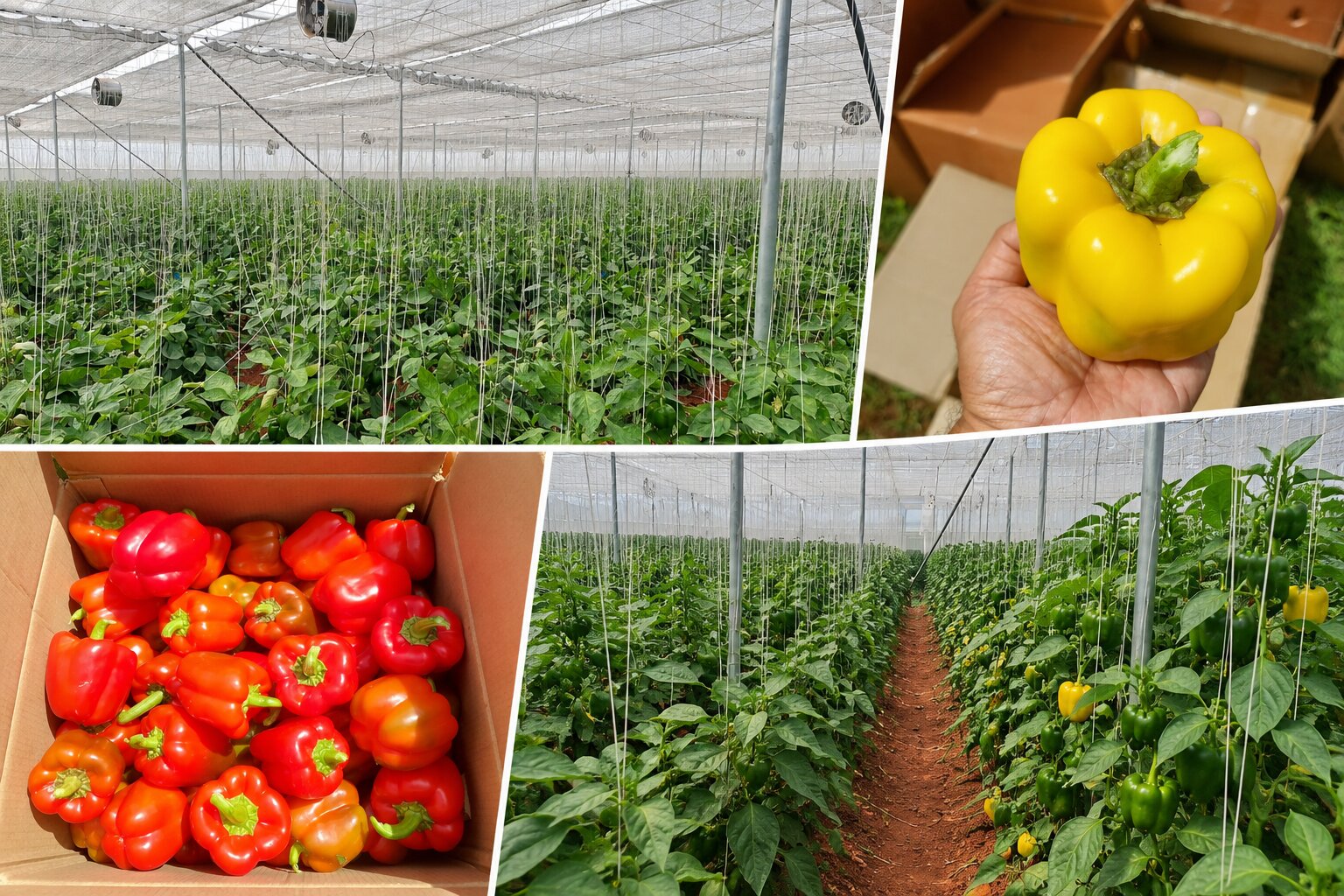
Protected cultivation structures, such as those offered by Agriplast Protected Cultivation, offer a critical advantage in minimizing the risk of pest and disease infestations in medicinal and aromatic plant farming. A controlled environment reduces the likelihood of pest infiltration and provides farmers with a better opportunity to maintain the cleanliness and optimal conditions necessary for healthy plant growth.
Benefits of protected cultivation structures for pest and disease management:
1. Physical Barrier: Polyhouses, greenhouses, net houses, and poly tunnel structures serve as physical barriers that protect plants from pests, thus reducing the need for excessive chemical pesticide usage.
2. Disease Prevention: By controlling humidity levels, airflow, and other environmental conditions within protected cultivation structures, farmers can create an environment less conducive to the proliferation of plant diseases, ensuring higher crop quality and yield.
By minimizing pest and disease risks, protected cultivation structures enable farmers to produce high-quality medicinal and aromatic plants, making their products more valuable in the competitive wellness and pharmaceutical markets.
Market Potential: Opportunities in the Wellness and Pharmaceutical Industries
The cultivation of medicinal and aromatic plants within protected cultivation structures presents significant market potential and new opportunities for farmers. As the global demand for natural health products, alternative medicines, and herbal remedies grows, a high-quality supply of these valuable plants becomes increasingly critical within the wellness and pharmaceutical sectors.
Opportunities for growers of medicinal and aromatic plants:
1. Expanded Product Offerings: Farmers can tap into niche markets or create added value, premium products for the wellness and pharmaceutical sectors by producing diverse and consistently high-quality medicinal and aromatic plants.
2. Direct Corporate Partnerships: Agripreneurs can form direct partnerships with wellness and pharmaceutical companies, providing a stable market and demand for their crops, further enhancing profitability.
3. Export Market Potential: High-quality medicinal and aromatic plants are also highly sought after in international markets, presenting opportunities for growers to explore export possibilities and expand their global reach.
The successful cultivation of medicinal and aromatic plants using protected cultivation structures helps farmers unlock new opportunities in the thriving wellness and pharmaceutical industries, providing a lucrative and stable market for their high-quality products.
Conclusion
Agriplast Protected Cultivation's protected cultivation structures offer innovative solutions that can revolutionize the cultivation of medicinal and aromatic plants, thereby unlocking new opportunities in the ever-growing wellness and pharmaceutical sectors. By providing optimal growing conditions, efficient resource management, and minimized pest and disease risks, these structures enable farmers to produce high-quality crops that yield excellent market potential.
As the demand for natural health products and alternative medicines continues to soar, embracing protected cultivation structures for medicinal and aromatic plant farming represents a promising and rewarding venture. Don't miss out on this exciting opportunity to transform the cultivation of these valuable plants and shape the future of the wellness and pharmaceutical industries. Embark on the journey towards success with Agriplast Protected Cultivation's protected cultivation solutions today.
Recent Posts
Your Farm. Your Future.
Every great harvest starts with the right conversation. Let our experts design a polyhouse built around your land, crop, and climate.
Talk to an ExpertFrequently Asked Questions
In this video, Abhishek Bhatt, Director of Agriplast Protected Cultivation, will provide a comprehensive breakdown of why Agriplast Polyhouse outperforms other polyhouses in terms of yield. He'll elucidate on key features like superior design, Israeli technology application, and optimal environmental control. The design facilitates enhanced ventilation, ensuring ideal growing conditions. Additionally, the use of Israeli technology, tailored for Indian agricultural needs, plays a crucial role in maximizing yields. Stay tuned to gain valuable insights into how Agriplast Polyhouse revolutionizes protected cultivation for superior agricultural outcomes.
A greenhouse is a transparent structure which is made using glass where plants are grown under certain climatic conditions. The agricultural industry has got many innovations, and the greenhouse technology makes use of modern and smart technology to give optimum facilities to the plants for their better and more efficient growth all around the year. Polyhouse is a kind of greenhouse where polyethene plastic material is used to create the polyhouse instead of the use of glass.
A greenhouse is designed to grow plants even in adverse climatic conditions. The translucent glass that covers the greenhouse gives the plants enough light to let them carry the photosynthesis process easily by absorbing light energy. Since the greenhouse is in an airtight condition, a sufficient amount of sunlight makes the greenhouse warmer from within than the outer atmosphere.
Greenhouse not only warms the greenhouse from within only in summers but in winters; it allows for an artificial heating solution which is effective but is a bit expensive. Some other inexpensive ways of warming up your greenhouse are:
- If you cover the inside of a greenhouse structure with a bubble layer wrap, you will observe a reduction in heat loss.
- Good power supply availability will allow you to add electric fan heaters to circulate hot air within the greenhouse for the plant's growth.
- You can also get electric greenhouse heaters installed that come with an inbuilt thermostat and works automatically when the temperature of the outer surroundings goes down.
Greenhouse benefits you in several different ways, which are listed below:
- Helps in producing fresh crops at any time of the year.
- The facility of producing the crops all around the year, even in adverse climatic conditions.
- The greenhouse allows the farmers to create an exclusive environment for the better plant growth.
- Protects crops from adverse climatic conditions.
- The light energy within a greenhouse is distributed evenly to all the plants.
- Greenhouse installation makes it easy for the farmers to grow crops with less use of pesticides.
- Greenhouse setup helps in saving the total usage of resources.