How Does Polyhouse Farming Help in Off-Season Production?
How Does Polyhouse Farming Help in Off-Season Production?
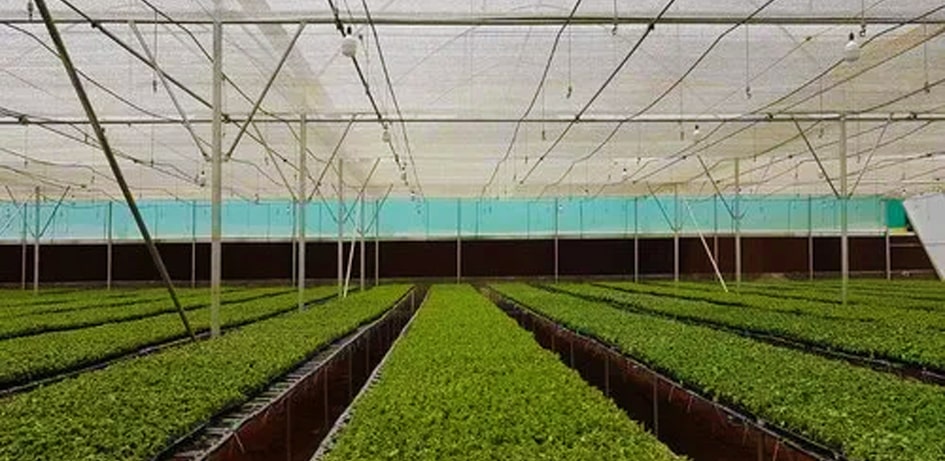
Agriculture has always been dependent on seasons. Traditional farming methods limit farmers to grow crops only during favorable climatic conditions. However, with the advancement of protected cultivation techniques, polyhouse farming has revolutionized the way crops are grown, especially for off-season production.
In this blog, we will explore how polyhouse farming enables farmers to grow crops beyond their natural growing season and how it boosts profitability.
1. Climate Control Throughout the Year
One of the biggest advantages of polyhouse farming is climate control. Inside a polyhouse, farmers can:
• Maintain optimum temperature
• Adjust humidity levels
• Provide adequate sunlight
• Use cooling or heating systems when required
For example:
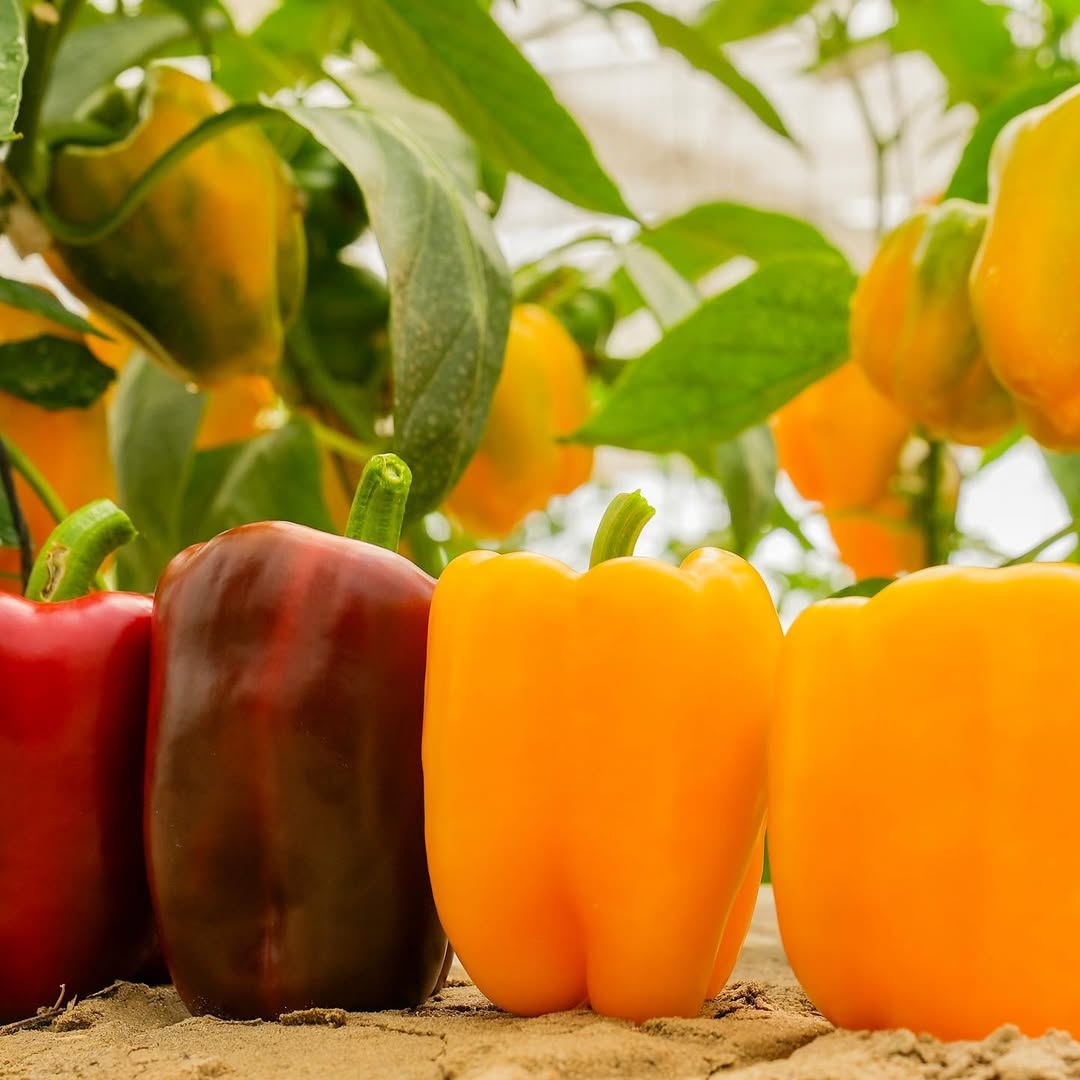
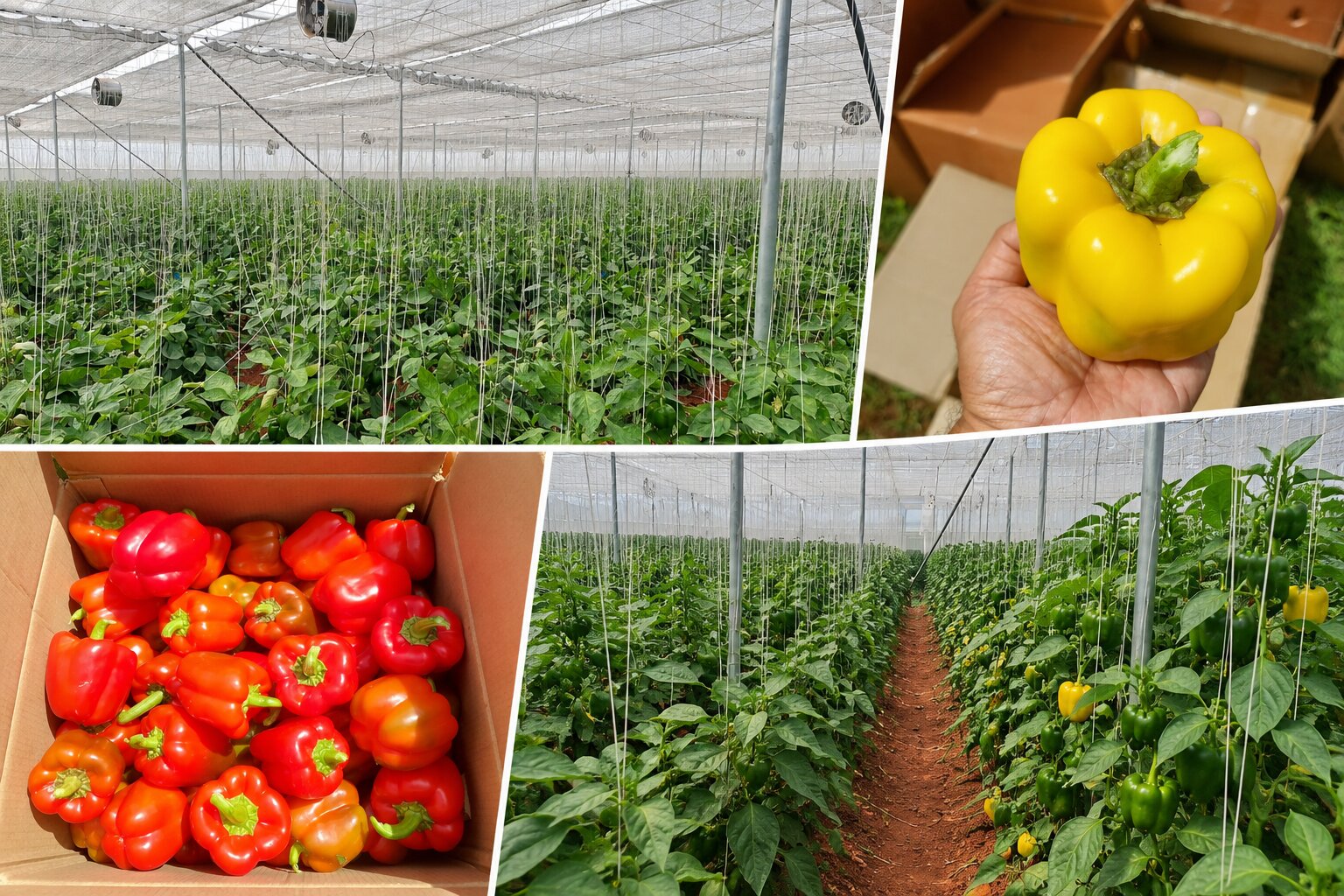
• Capsicum can be grown even during extreme summers.
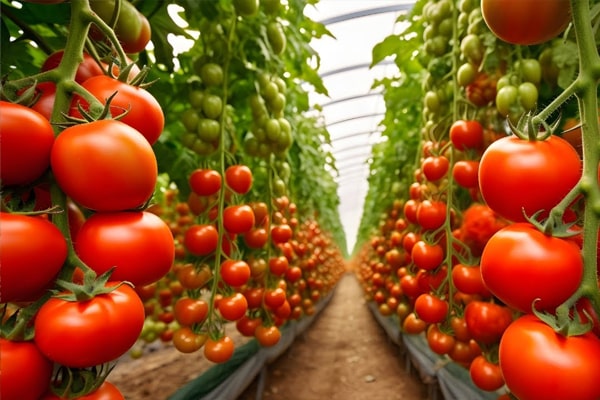
• Tomatoes can be cultivated in winter without frost damage.
This flexibility allows farmers to grow crops when market supply is low, resulting in higher prices.
2. Protection from Seasonal Uncertainty
Weather unpredictability has become a major challenge due to climate change. Off-season rainfall or sudden temperature drops can damage crops in open fields. Polyhouses:
• Shield crops from heavy rain
• Prevent frost damage
• Reduce wind stress
• Minimize crop loss
This ensures stable production even when outdoor conditions are unfavorable.
3. Improved Yield and Quality
Off-season crops grown in polyhouses generally:
• Have better size and uniformity
• Show enhanced color and appearance
• Fetch premium market prices
Because the environment is optimized, plants experience less stress and produce higher yields compared to traditional farming.
4. Efficient Water and Nutrient Management
Polyhouse farming often uses drip irrigation and fertigation systems. These methods ensure:
• Precise water supply
• Reduced water wastage
• Proper nutrient absorption
Efficient resource use improves crop growth during off-season when conditions outside may not support proper nutrient uptake.
Popular Off-Season Crops Grown in Polyhouses
Common crops include:
• Tomato
• Capsicum
• Cucumber
• Strawberry
• Gerbera
These crops have high market demand and perform exceptionally well under controlled conditions.
Why This Matters to You as a Polyhouse Grower
1. You can grow crops even in the off-season and earn higher profits.
2. You reduce the risk of crop loss due to bad weather.
3. You get better yield and quality from controlled conditions.
4. You can earn steady income throughout the year.
Recent Posts
Your Farm. Your Future.
Every great harvest starts with the right conversation. Let our experts design a polyhouse built around your land, crop, and climate.
Talk to an ExpertFrequently Asked Questions
In this video, Abhishek Bhatt, Director of Agriplast Protected Cultivation, will provide a comprehensive breakdown of why Agriplast Polyhouse outperforms other polyhouses in terms of yield. He'll elucidate on key features like superior design, Israeli technology application, and optimal environmental control. The design facilitates enhanced ventilation, ensuring ideal growing conditions. Additionally, the use of Israeli technology, tailored for Indian agricultural needs, plays a crucial role in maximizing yields. Stay tuned to gain valuable insights into how Agriplast Polyhouse revolutionizes protected cultivation for superior agricultural outcomes.
A greenhouse is a transparent structure which is made using glass where plants are grown under certain climatic conditions. The agricultural industry has got many innovations, and the greenhouse technology makes use of modern and smart technology to give optimum facilities to the plants for their better and more efficient growth all around the year. Polyhouse is a kind of greenhouse where polyethene plastic material is used to create the polyhouse instead of the use of glass.
A greenhouse is designed to grow plants even in adverse climatic conditions. The translucent glass that covers the greenhouse gives the plants enough light to let them carry the photosynthesis process easily by absorbing light energy. Since the greenhouse is in an airtight condition, a sufficient amount of sunlight makes the greenhouse warmer from within than the outer atmosphere.
Greenhouse not only warms the greenhouse from within only in summers but in winters; it allows for an artificial heating solution which is effective but is a bit expensive. Some other inexpensive ways of warming up your greenhouse are:
- If you cover the inside of a greenhouse structure with a bubble layer wrap, you will observe a reduction in heat loss.
- Good power supply availability will allow you to add electric fan heaters to circulate hot air within the greenhouse for the plant's growth.
- You can also get electric greenhouse heaters installed that come with an inbuilt thermostat and works automatically when the temperature of the outer surroundings goes down.
Greenhouse benefits you in several different ways, which are listed below:
- Helps in producing fresh crops at any time of the year.
- The facility of producing the crops all around the year, even in adverse climatic conditions.
- The greenhouse allows the farmers to create an exclusive environment for the better plant growth.
- Protects crops from adverse climatic conditions.
- The light energy within a greenhouse is distributed evenly to all the plants.
- Greenhouse installation makes it easy for the farmers to grow crops with less use of pesticides.
- Greenhouse setup helps in saving the total usage of resources.