How to Choose the Right Greenhouse Engineering Partner for Your Project
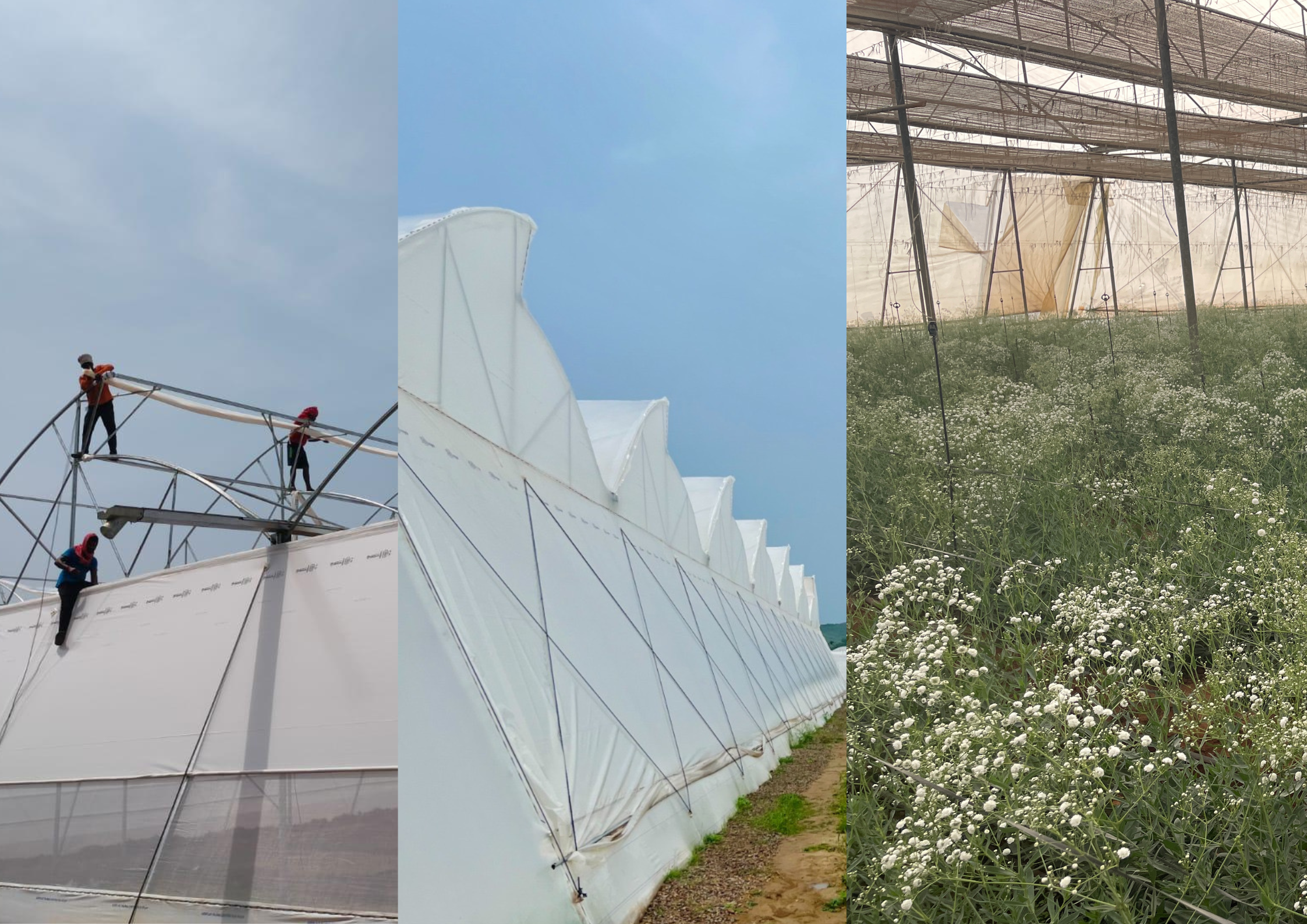
How to Choose the Right Greenhouse Engineering Partner for Your Project
Selecting the right greenhouse engineering partner is a critical decision that directly impacts the performance, longevity, and profitability of your protected cultivation project. A well-designed and properly engineered greenhouse enables year-round crop production by shielding plants from climatic extremes such as high temperatures, heavy rainfall, and strong winds. This results in higher yields, improved quality, and more predictable production cycles - ultimately increasing your farm’s income.
However, a poorly designed or substandard structure can lead to structural failures, water leakage, microclimate imbalance, and crop losses. This not only wastes investment but can disrupt your entire farming plan. Therefore, choosing a reliable and technically competent greenhouse Engineering Partner is fundamental to the success of your project.
Key Criteria for Evaluating a Greenhouse Constructor
1. Technical Expertise and Field Experience
Partner with a company that has extensive experience in designing and constructing greenhouses across diverse agro-climatic zones. Experienced engineering firms understand crop-specific requirements, regional weather patterns, and structural load factors (wind load, snow load, and thermal load). Their expertise reduces risk and ensures long-term performance.
2. Material Standards and Structural Design Quality
Your greenhouse should be engineered for durability and climatic resilience. Ensure that the constructor uses:
• High-grade hot-dip galvanized steel with appropriate zinc coating (minimum 275 GSM or as per IS standards),
• UV-stabilized polyfilms with tested light transmittance and diffused light properties,
• Robust ventilation and shading systems designed for your crop and region.
The structural design must comply with engineering norms and withstand local wind speeds, heavy rainfall, and temperature fluctuations.
3. Comprehensive Technical Support and After-Sales Service
A strong engineering partner provides:
• On-site technical supervision during construction,
• Training for your team on operations and maintenance,
• Post-installation support for troubleshooting,
• Scheduled maintenance or annual service contracts.
This ensures smooth operation and reduces downtime.
4. Transparent Pricing and Value-Based Deliverables
Avoid evaluating proposals solely based on the lowest quotation. Lower prices may indicate compromised materials, thin steel sections, or inadequate engineering. Instead, compare:
• Material specifications,
• Inclusions such as civil works, foundation systems, shading nets, cooling systems,
• Warranty terms,
• Installation timelines.
A slightly higher upfront investment often delivers significantly better long-term value.
5. Quality Certifications and Compliance
Reliable greenhouse infrastructure specialists provide certified materials such as:
• BIS / ISI-certified steel,
• ISO-certified production systems,
• Internationally tested polyfilms (ASTM/EN standards).
Certifications ensure material strength, durability, and consistency in performance.
Simple but Effective Methods to Evaluate a Company
• Visit an Existing Project Site
A physical visit helps you evaluate build quality, structural finishing, crop performance under the structure, and the overall workmanship of the constructor.
• Seek Farmer Feedback
Farmers who have already worked with the company can provide unbiased insights on durability, service quality, and real-world performance.
• Review Warranty and Service Commitments
Genuine companies provide warranties on steel structure, polyfilm, accessories, and workmanship. Review the duration, terms, and claim processes.
• Examine Their Portfolio
Request case studies, project photographs, and technical drawings (if possible) to understand the company’s scale, capabilities, and experience.
• Don’t Choose Based on Price Alone
The cheapest option often leads to hidden repairs, crop losses, or premature replacement of materials. Focus on engineering quality, structural integrity, and after-sales service rather than cost alone.
Make an Informed, Confident Decision
Building a greenhouse is a long-term investment that can significantly increase your farm’s productivity and profitability. Take time to evaluate your greenhouse engineering partner thoroughly. Ask questions, compare technical specifications, and ensure the design is suited to your crop, climate, and long-term goals.
Additionally, explore government schemes and subsidies that may reduce your capital cost.
With the right greenhouse constructor and a well-engineered structure, you can achieve consistent production, higher yields, and better returns year after year.
Recent Posts
Your Farm. Your Future.
Every great harvest starts with the right conversation. Let our experts design a polyhouse built around your land, crop, and climate.
Talk to an ExpertFrequently Asked Questions
In this video, Abhishek Bhatt, Director of Agriplast Protected Cultivation, will provide a comprehensive breakdown of why Agriplast Polyhouse outperforms other polyhouses in terms of yield. He'll elucidate on key features like superior design, Israeli technology application, and optimal environmental control. The design facilitates enhanced ventilation, ensuring ideal growing conditions. Additionally, the use of Israeli technology, tailored for Indian agricultural needs, plays a crucial role in maximizing yields. Stay tuned to gain valuable insights into how Agriplast Polyhouse revolutionizes protected cultivation for superior agricultural outcomes.
A greenhouse is a transparent structure which is made using glass where plants are grown under certain climatic conditions. The agricultural industry has got many innovations, and the greenhouse technology makes use of modern and smart technology to give optimum facilities to the plants for their better and more efficient growth all around the year. Polyhouse is a kind of greenhouse where polyethene plastic material is used to create the polyhouse instead of the use of glass.
A greenhouse is designed to grow plants even in adverse climatic conditions. The translucent glass that covers the greenhouse gives the plants enough light to let them carry the photosynthesis process easily by absorbing light energy. Since the greenhouse is in an airtight condition, a sufficient amount of sunlight makes the greenhouse warmer from within than the outer atmosphere.
Greenhouse not only warms the greenhouse from within only in summers but in winters; it allows for an artificial heating solution which is effective but is a bit expensive. Some other inexpensive ways of warming up your greenhouse are:
- If you cover the inside of a greenhouse structure with a bubble layer wrap, you will observe a reduction in heat loss.
- Good power supply availability will allow you to add electric fan heaters to circulate hot air within the greenhouse for the plant's growth.
- You can also get electric greenhouse heaters installed that come with an inbuilt thermostat and works automatically when the temperature of the outer surroundings goes down.
Greenhouse benefits you in several different ways, which are listed below:
- Helps in producing fresh crops at any time of the year.
- The facility of producing the crops all around the year, even in adverse climatic conditions.
- The greenhouse allows the farmers to create an exclusive environment for the better plant growth.
- Protects crops from adverse climatic conditions.
- The light energy within a greenhouse is distributed evenly to all the plants.
- Greenhouse installation makes it easy for the farmers to grow crops with less use of pesticides.
- Greenhouse setup helps in saving the total usage of resources.