How to Create an Optimal Climate in Your Greenhouse
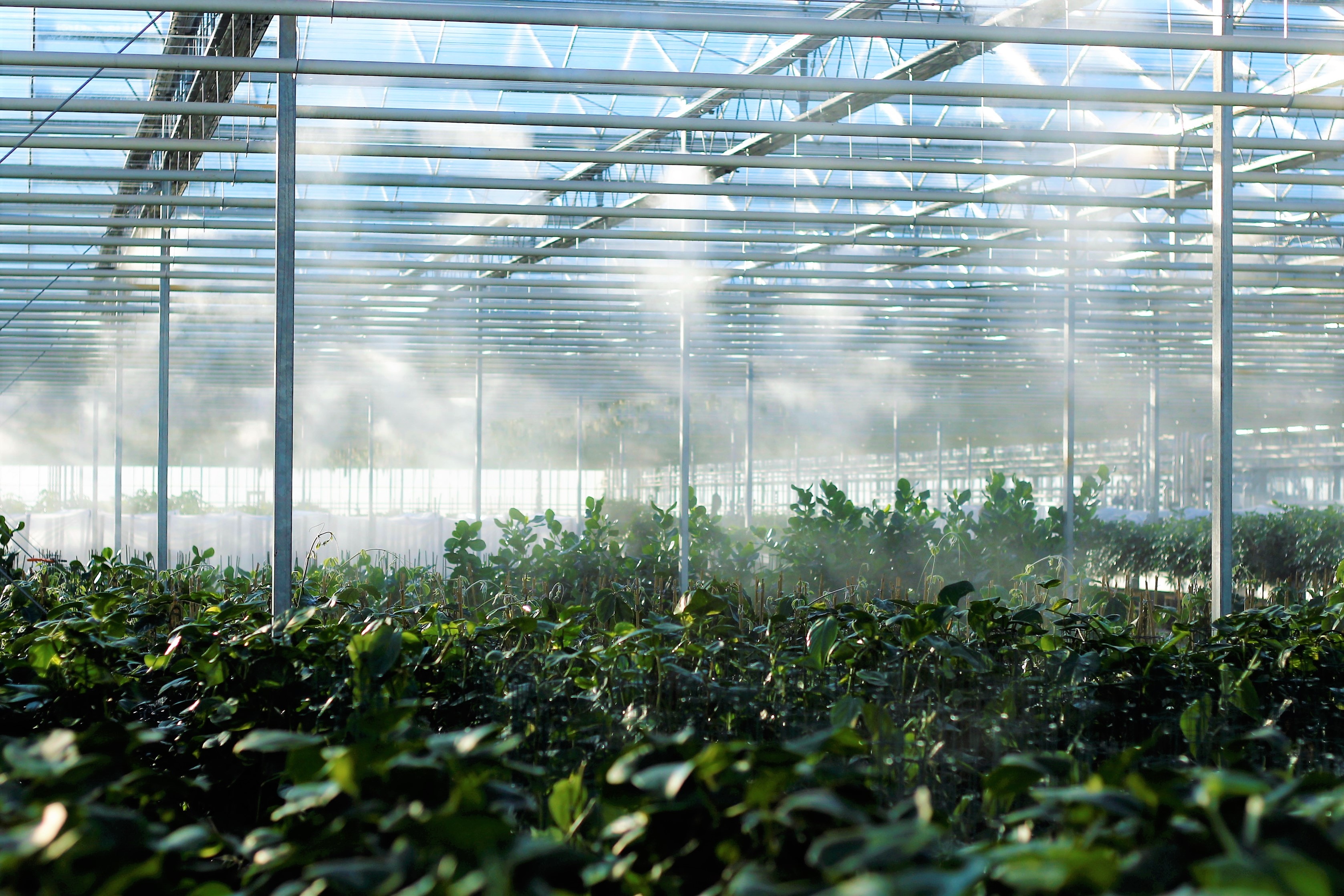
Do you dream of growing your own fresh produce, but the season is too short or the weather too harsh? A greenhouse can be the perfect solution! However, creating an optimal climate in your greenhouse can be a daunting task. With the right knowledge and tools, you can provide your plants with the perfect environment to thrive. In this article, we will explore essential tips and tricks for creating an ideal climate in your greenhouse, so you can enjoy a bountiful harvest of healthy and delicious plants all year round!
Understanding Your Plants' Needs
The first and most important step in creating an optimal climate in your greenhouse is to understand your plants' needs. Different plants require different conditions to grow and thrive. Some plants, such as tomatoes and peppers, require warm temperatures, while others, such as lettuce and spinach, prefer cooler temperatures. It is essential to research the optimal growing conditions for the plants you plan to grow in your greenhouse to ensure a healthy crop.
Temperature Control
Temperature is one of the most critical factors in creating an optimal climate in your greenhouse. Most greenhouse plants require a temperature range of 65 to 80°F during the day and 55 to 65°F at night. To maintain this temperature range, it is essential to install a thermostat-controlled heating system in your greenhouse. This system will enable you to adjust the temperature according to your plants' needs, ensuring they receive optimal growing conditions.
Humidity Control
Humidity is another critical factor in creating an optimal climate in your greenhouse. Most plants require a humidity level of 50 to 70 percent. If the humidity level is too low, the plant's leaves will dry out, and if it is too high, the plants may develop fungal diseases. To maintain the optimal humidity level, it is essential to install a humidifier or dehumidifier in your greenhouse. A humidifier will add moisture to the air, while a dehumidifier will remove excess moisture.
Ventilation
Ventilation is crucial in maintaining a healthy environment in your greenhouse. It allows fresh air to circulate, preventing the build-up of harmful gases and excess humidity. To ensure optimal ventilation, it is essential to install vents or fans in your greenhouse. These will allow air to circulate and maintain a healthy environment for your plants.
Lighting
Lighting is another essential factor in creating an optimal climate in your greenhouse. Plants require a certain amount of light to grow and thrive. The amount of light required varies depending on the type of plant. Some plants require full sun, while others prefer partial shade. To ensure your plants receive the correct amount of light, it is essential to install a lighting system in your greenhouse. This system should be designed to provide the correct amount and type of light for the plants you plan to grow.
Watering
Lastly, you need to consider the watering requirements of your plants. Plants require a consistent supply of water to grow and thrive. However, overwatering can lead to root rot and other problems. To ensure your plants receive the correct amount of water, it is essential to install an irrigation system in your greenhouse. This system should be designed to provide the correct amount of water for the plants you plan to grow.
Final Thoughts
Creating an optimal climate in your greenhouse is essential for the growth and health of your plants. By understanding your plants' needs and implementing the tips outlined in this article, you can create a healthy and productive environment for your plants to thrive. Remember to monitor your greenhouse regularly to ensure that the temperature, humidity, ventilation, lighting, and watering are all maintained at optimal levels. By doing so, you can enjoy a bountiful harvest of healthy and delicious plants.
Enjoy fresh produce all the time with the help of Agriplast Protected Cultivation. We are a renowned greenhouse manufacturer that supplies the best-designed machinery and setups to carry out effective farming. Be it a polyhouse, a greenhouse, a net house, or a hydroponics farm, we are going to give you an end-to-end solution to help you build your next farm. Get in touch with us today!
Recent Posts
Your Farm. Your Future.
Every great harvest starts with the right conversation. Let our experts design a polyhouse built around your land, crop, and climate.
Talk to an ExpertFrequently Asked Questions
In this video, Abhishek Bhatt, Director of Agriplast Protected Cultivation, will provide a comprehensive breakdown of why Agriplast Polyhouse outperforms other polyhouses in terms of yield. He'll elucidate on key features like superior design, Israeli technology application, and optimal environmental control. The design facilitates enhanced ventilation, ensuring ideal growing conditions. Additionally, the use of Israeli technology, tailored for Indian agricultural needs, plays a crucial role in maximizing yields. Stay tuned to gain valuable insights into how Agriplast Polyhouse revolutionizes protected cultivation for superior agricultural outcomes.
A greenhouse is a transparent structure which is made using glass where plants are grown under certain climatic conditions. The agricultural industry has got many innovations, and the greenhouse technology makes use of modern and smart technology to give optimum facilities to the plants for their better and more efficient growth all around the year. Polyhouse is a kind of greenhouse where polyethene plastic material is used to create the polyhouse instead of the use of glass.
A greenhouse is designed to grow plants even in adverse climatic conditions. The translucent glass that covers the greenhouse gives the plants enough light to let them carry the photosynthesis process easily by absorbing light energy. Since the greenhouse is in an airtight condition, a sufficient amount of sunlight makes the greenhouse warmer from within than the outer atmosphere.
Greenhouse not only warms the greenhouse from within only in summers but in winters; it allows for an artificial heating solution which is effective but is a bit expensive. Some other inexpensive ways of warming up your greenhouse are:
- If you cover the inside of a greenhouse structure with a bubble layer wrap, you will observe a reduction in heat loss.
- Good power supply availability will allow you to add electric fan heaters to circulate hot air within the greenhouse for the plant's growth.
- You can also get electric greenhouse heaters installed that come with an inbuilt thermostat and works automatically when the temperature of the outer surroundings goes down.
Greenhouse benefits you in several different ways, which are listed below:
- Helps in producing fresh crops at any time of the year.
- The facility of producing the crops all around the year, even in adverse climatic conditions.
- The greenhouse allows the farmers to create an exclusive environment for the better plant growth.
- Protects crops from adverse climatic conditions.
- The light energy within a greenhouse is distributed evenly to all the plants.
- Greenhouse installation makes it easy for the farmers to grow crops with less use of pesticides.
- Greenhouse setup helps in saving the total usage of resources.