Maintenance Needs for a Polyhouse
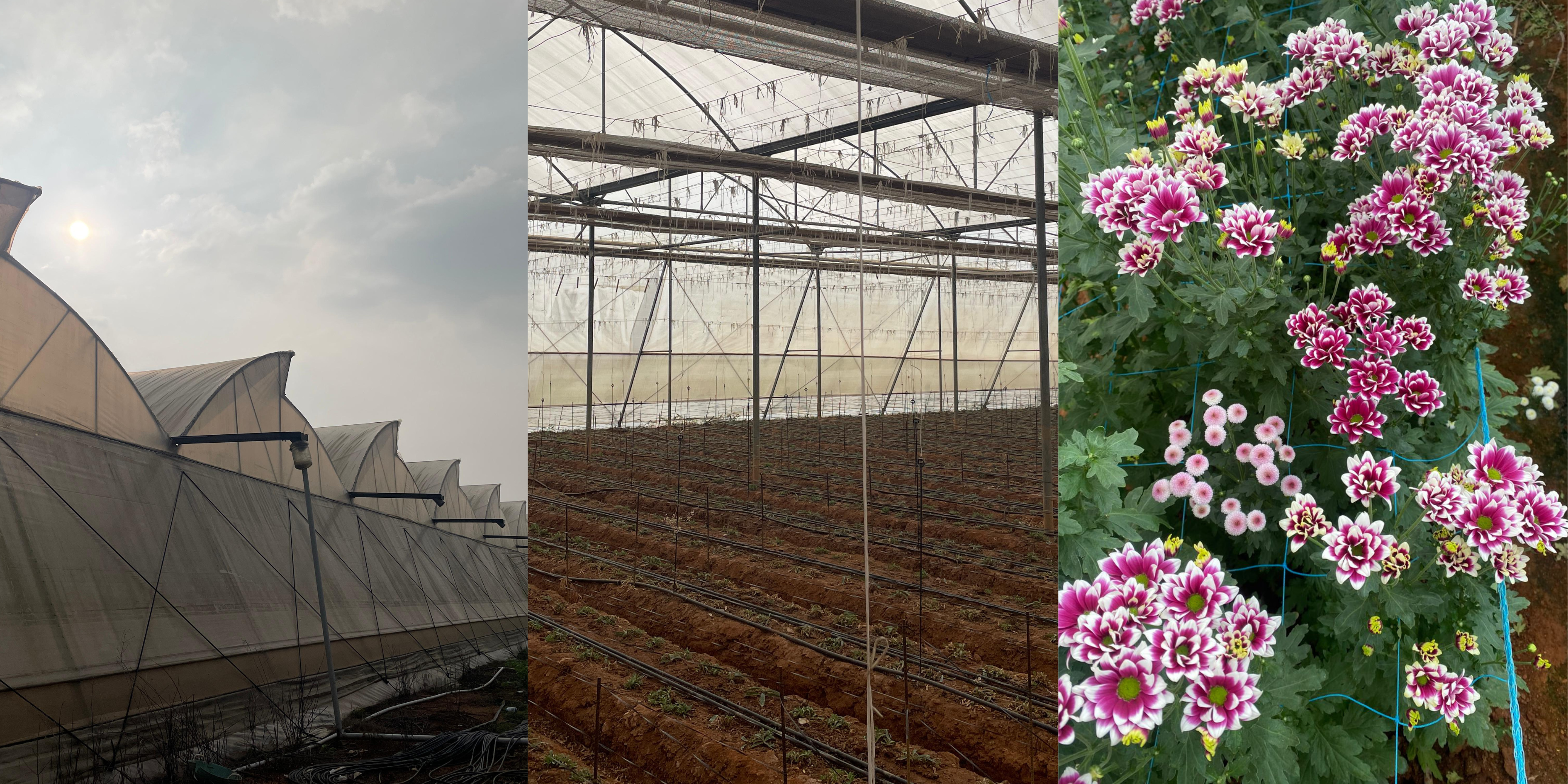
What Are the Maintenance Needs for a Polyhouse?
A polyhouse is a long-term investment for farmers and growers who want higher productivity, better quality crops, and protection from unpredictable weather. However, the success of a polyhouse does not depend only on good design and installation. Regular and systematic maintenance is what ensures consistent yields, lower operating costs, and a longer lifespan of the structure.
In Indian conditions, where high temperatures, monsoons, dust, pests, and fluctuating humidity are common- polyhouse maintenance becomes even more critical. This blog explains the key maintenance needs of a polyhouse, covering structure, covering material, climate control, irrigation, pest management, and operational practices.
1. Structural Maintenance
The structural frame is the backbone of a polyhouse. Most polyhouses use galvanized iron (GI) pipes or steel structures, which are durable but still need periodic inspection.
• Check for corrosion or rust, especially at joints, bolts, and base plates.
• Tighten loose nuts, bolts, and clamps caused by wind or thermal expansion.
• Inspect anchoring points to ensure the structure remains stable during storms.
• After heavy winds or cyclones, conduct a full structural audit.
Why It Matters:
• Ignoring structural issues can lead to misalignment, sagging of the plastic sheet, or even collapse during extreme weather events.
2. Poly Covering and Shade Net Maintenance
The poly film and shade nets are exposed to sunlight, dust, rain, and wind throughout the year. Over time, they lose transparency and strength.
• Clean the poly sheet regularly using soft cloth or low-pressure water to remove dust and algae.
• Check for tears, punctures, or loose fastening.
• Replace damaged sections immediately to prevent heat loss or pest entry.
• Inspect UV degradation signs such as brittleness or yellowing.
Why It Matters:
• Reduced light transmission directly affects photosynthesis, crop growth, and yield. Small tears can also disturb temperature and humidity control.
3. Ventilation and Climate Control Systems
Proper ventilation is essential for maintaining temperature, humidity, and air circulation inside the polyhouse.
• Clean exhaust fans, cooling pads, and air inlets to remove dust and debris.
• Lubricate fan motors and check electrical connections.
• Inspect vents and roll-up curtains for smooth operation.
• Test thermostats, humidistats, and controllers for accurate readings.
Why It Matters:
• Faulty ventilation can cause heat stress, high humidity, fungal diseases, and poor crop performance.
4. Irrigation and Fertigation System Maintenance
Most polyhouses use drip irrigation and fertigation systems for precise water and nutrient delivery.
• Flush drip lines periodically to remove salt and sediment buildup.
• Clean filters (screen, sand, or disc filters) regularly.
• Check emitters for clogging or uneven discharge.
• Inspect fertilizer tanks, injectors, and valves for leaks or blockages.
Why It Matters:
• Clogged or uneven irrigation leads to inconsistent plant growth, nutrient imbalance, and yield reduction.
5. Soil and Growing Media Management
Even though protected, the growing environment needs constant monitoring.
• Periodic soil testing for pH, EC, and nutrient levels.
• Remove salt accumulation by leaching if required.
• Replace or sterilize growing media such as cocopeat between crop cycles.
• Ensure proper drainage to avoid waterlogging.
Why It Matters:
• Poor soil or media health encourages root diseases and reduces nutrient uptake efficiency.
6. Pest, Disease, and Weed Management
Polyhouses reduce pest pressure, but they do not eliminate it completely.
• Repair insect nets and seal all openings.
• Regular scouting for pests, mites, and diseases.
• Remove infected plants and crop residues immediately.
• Disinfect tools, trays, and pathways.
• Keep surroundings weed-free to reduce pest breeding grounds.
Why It Matters:
• A small pest infestation can spread rapidly in a closed environment if not controlled early.
7. Electrical and Automation System Maintenance
Modern polyhouses often use automation for irrigation, ventilation, and climate control.
• Inspect wiring, switches, sensors, and control panels.
• Protect electrical components from moisture and rodents.
• Calibrate sensors periodically for accurate data.
• Keep backup power systems ready for outages.
Why It Matters:
• Automation failures can quickly disrupt the internal climate, leading to crop stress or loss.
8. Hygiene and Sanitation Practices
Cleanliness inside the polyhouse plays a major role in disease prevention.
• Regular cleaning of walkways and working areas.
• Disinfection between crop cycles.
• Proper disposal of plant waste outside the polyhouse.
• Use foot baths or sanitizers at entry points.
Why It Matters:
• Good hygiene reduces dependency on chemicals and improves crop health naturally.
9. Record Keeping and Routine Scheduling
Maintenance is most effective when it is planned.
• Maintain logs for irrigation, fertigation, pest control, and repairs.
• Schedule weekly, monthly, and seasonal maintenance tasks.
• Track replacement cycles for poly films, nets, and filters.
Why It Matters:
• Preventive maintenance costs far less than emergency repairs or crop losses.
Why Polyhouse Maintenance Matters to You
Whether you are a small farmer or a commercial grower, polyhouse maintenance directly impacts profitability. A well-maintained polyhouse:
• Extends the life of your structure
• Reduces crop losses and operational costs
• Improves yield quality and consistency
• Enhances return on investment (ROI)
In Indian agriculture, where climate variability is increasing, maintaining your polyhouse is not an option—it is a necessity. By adopting a disciplined maintenance routine, you ensure that your polyhouse continues to deliver reliable results season after season.
Recent Posts
Your Farm. Your Future.
Every great harvest starts with the right conversation. Let our experts design a polyhouse built around your land, crop, and climate.
Talk to an ExpertFrequently Asked Questions
In this video, Abhishek Bhatt, Director of Agriplast Protected Cultivation, will provide a comprehensive breakdown of why Agriplast Polyhouse outperforms other polyhouses in terms of yield. He'll elucidate on key features like superior design, Israeli technology application, and optimal environmental control. The design facilitates enhanced ventilation, ensuring ideal growing conditions. Additionally, the use of Israeli technology, tailored for Indian agricultural needs, plays a crucial role in maximizing yields. Stay tuned to gain valuable insights into how Agriplast Polyhouse revolutionizes protected cultivation for superior agricultural outcomes.
A greenhouse is a transparent structure which is made using glass where plants are grown under certain climatic conditions. The agricultural industry has got many innovations, and the greenhouse technology makes use of modern and smart technology to give optimum facilities to the plants for their better and more efficient growth all around the year. Polyhouse is a kind of greenhouse where polyethene plastic material is used to create the polyhouse instead of the use of glass.
A greenhouse is designed to grow plants even in adverse climatic conditions. The translucent glass that covers the greenhouse gives the plants enough light to let them carry the photosynthesis process easily by absorbing light energy. Since the greenhouse is in an airtight condition, a sufficient amount of sunlight makes the greenhouse warmer from within than the outer atmosphere.
Greenhouse not only warms the greenhouse from within only in summers but in winters; it allows for an artificial heating solution which is effective but is a bit expensive. Some other inexpensive ways of warming up your greenhouse are:
- If you cover the inside of a greenhouse structure with a bubble layer wrap, you will observe a reduction in heat loss.
- Good power supply availability will allow you to add electric fan heaters to circulate hot air within the greenhouse for the plant's growth.
- You can also get electric greenhouse heaters installed that come with an inbuilt thermostat and works automatically when the temperature of the outer surroundings goes down.
Greenhouse benefits you in several different ways, which are listed below:
- Helps in producing fresh crops at any time of the year.
- The facility of producing the crops all around the year, even in adverse climatic conditions.
- The greenhouse allows the farmers to create an exclusive environment for the better plant growth.
- Protects crops from adverse climatic conditions.
- The light energy within a greenhouse is distributed evenly to all the plants.
- Greenhouse installation makes it easy for the farmers to grow crops with less use of pesticides.
- Greenhouse setup helps in saving the total usage of resources.