Protecting Your Crops: A Brief Overview Of Protected Farming
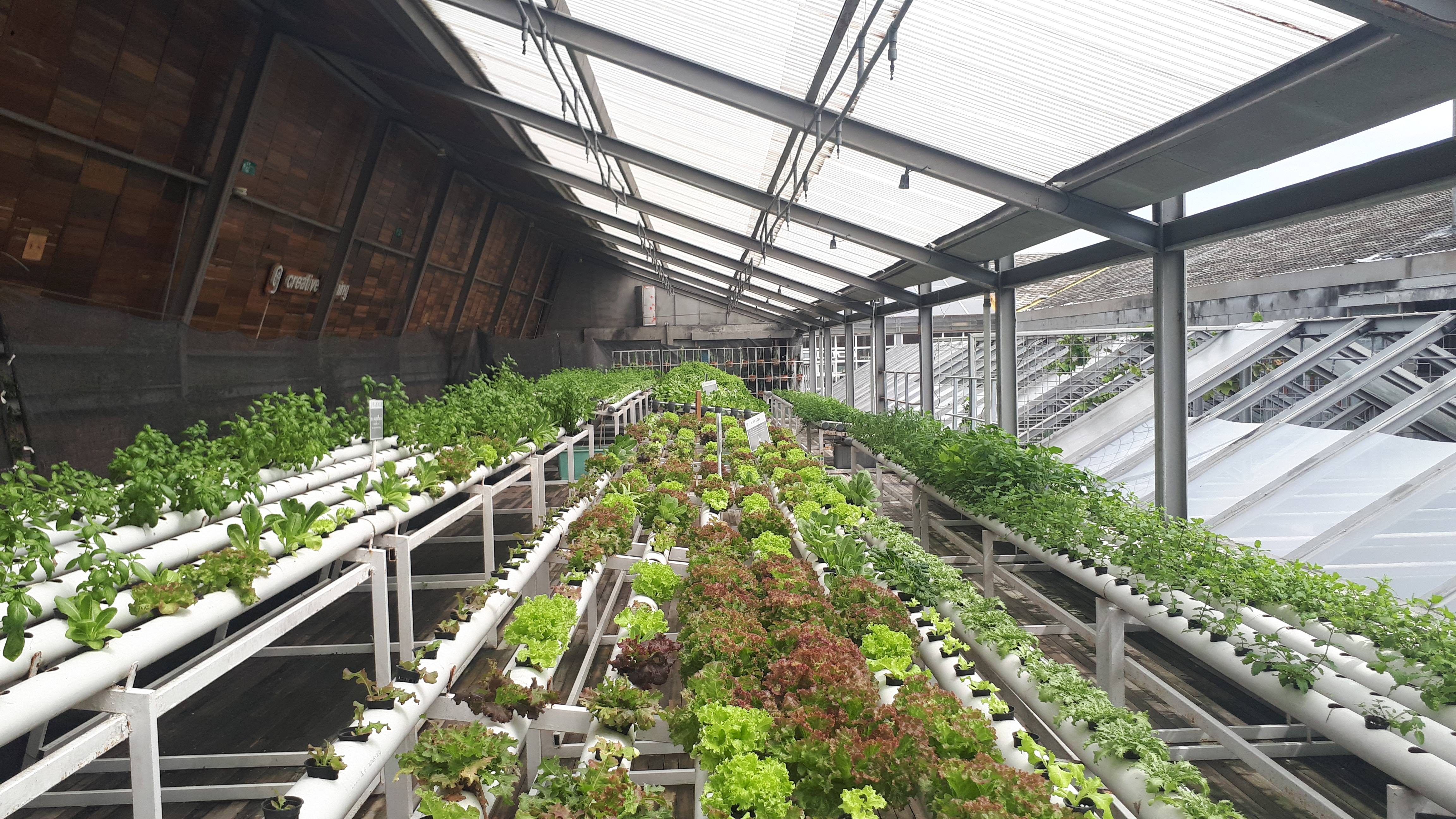
Farming is a critical industry for our society, providing food and other essential products for the world's population. However, farmers face many challenges, such as unpredictable weather patterns, pests, and diseases that can significantly impact crop yields.
Protecting crops through innovative farming techniques has become increasingly popular in recent years. One such method is covered farming, which involves creating a controlled environment for crops to grow.
In this article, let's investigate more about protected farming.
What Exactly Is Protected Farming?
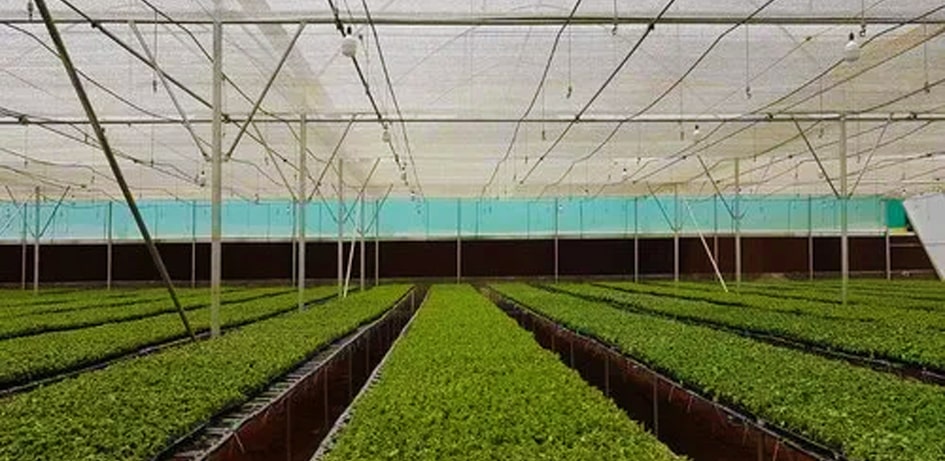
Protected agriculture uses technology to alter the natural environment of vegetable crops to lengthen their growing season and increase yields.
Controlled environment agriculture refers to producing vegetable crops in greenhouses outfitted with the technology. This creates optimal growing conditions such as temperature, moisture, lighting, pest management, and plant nutrition.
Both strategies frequently work in tandem to produce more food on less land, in practically any location, and all year while avoiding external environmental hazards. Protected agriculture is ultimately about managing the environment inside the structure to increase output.
What Are the Benefits of Protected Farming?
Development of Transplants with Enhanced Genetics
Plant material that is homogenous, healthy, and disease-free is a distinguishing feature of protected farming. This planting medium promotes faster germination and hardening.
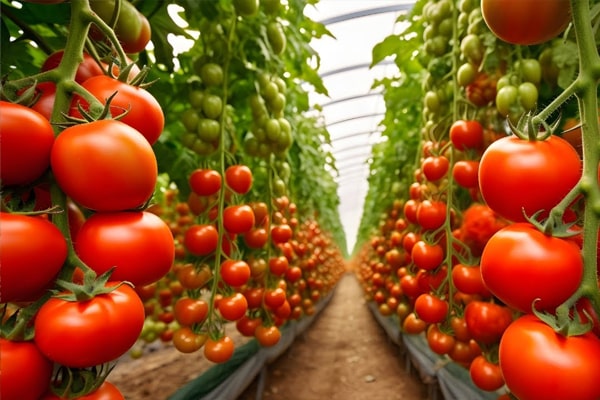
This is because greenhouse cucumbers and tomatoes are grown worldwide on disease-free, sterile, inert substrates. You may be confident that the transplants you get will be genetically healthy and disease-free.
Fruit, vegetables, and Flowers Are Grown All Year
In protected horticulture, the word "off-season" does not exist. This means that this agricultural practice is significantly more profitable financially. Vegetables and fruits can be grown all year.
Net buildings, walk-in tunnels, and shade have enabled year-round vegetable production.
Agriculture Output and Productivity Increases
Remote growing systems boost crop output. When plants are planted closer together at a higher density, the yield of vegetables and fruits increases considerably.
You can manage the microclimate around the plant's body totally or partially, depending on the needs of the plant kind. For example, early nurseries of flowering annuals and vegetables can be expanded using low plastic tunnels.
Promotes High-quality, High-value Horticulture Products
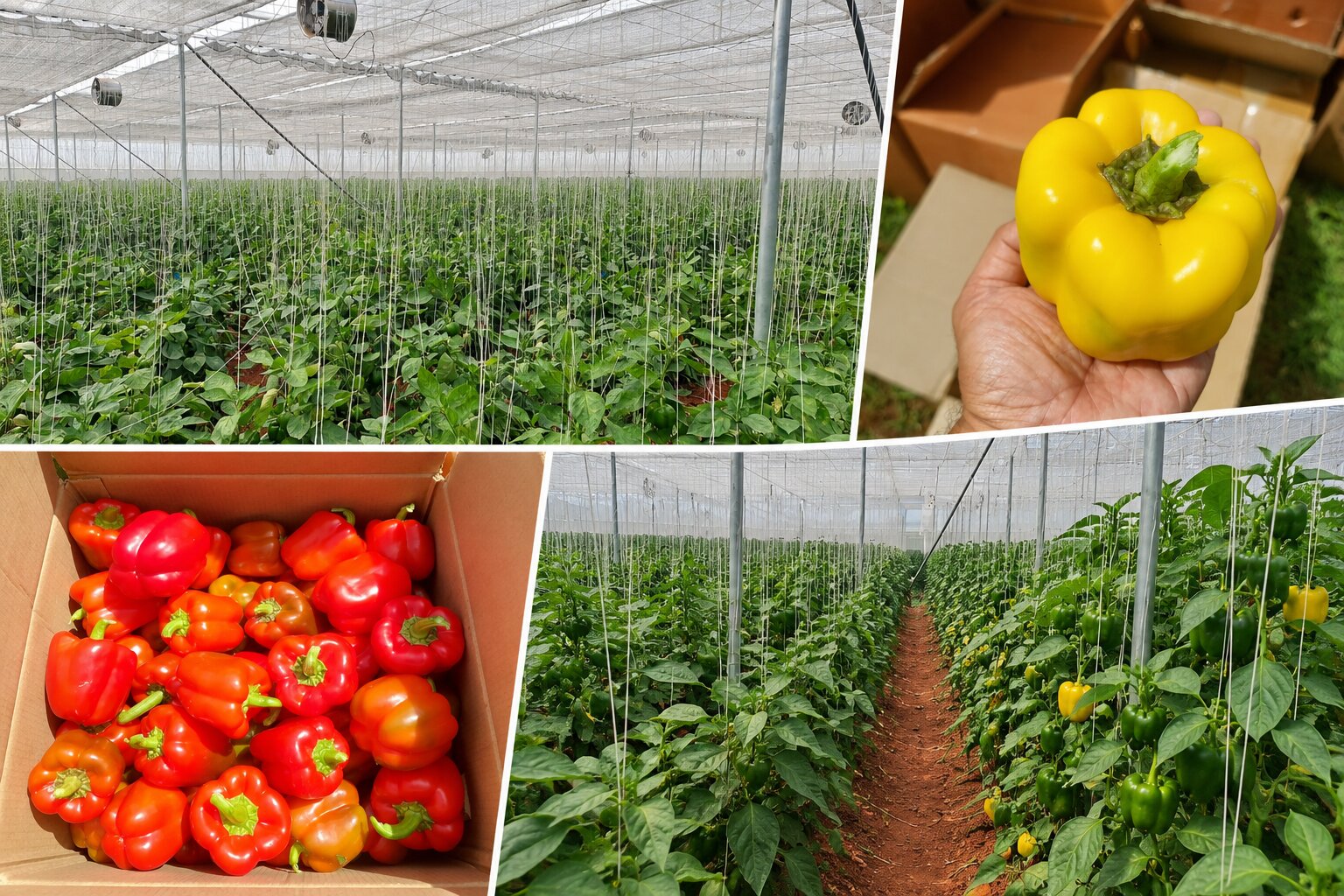
If you ask how the credit goes to the net houses, you can always rely on high-quality horticultural goods from protected agriculture, such as cherries, capsicums, and melons.
These buildings help to reduce the destructive effects of rain and direct sunlight on plants, ornamentals, and vegetables.
Grow Unusual and Medicinal Plants
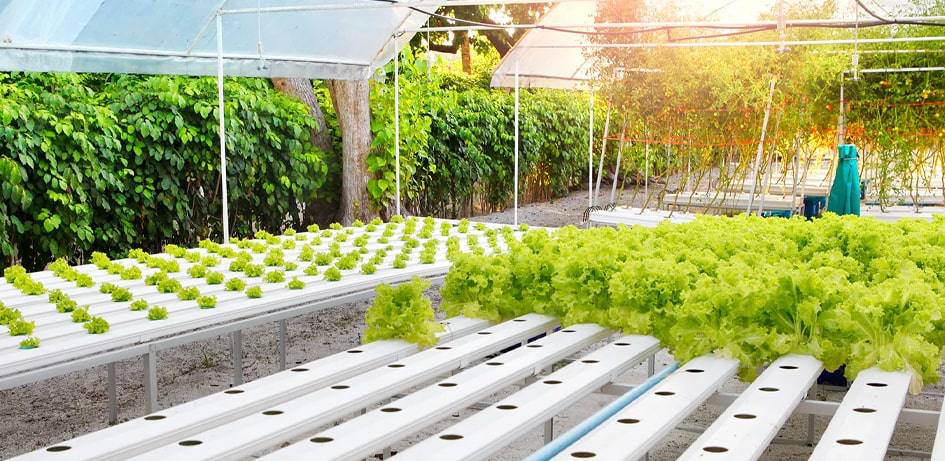
Protected horticulture allows you to manipulate the natural environment to maximize plant growth. By modifying both the aerial and root habitats, crop yields can be boosted. This means that you can grow a wide variety of herbs, orchids, and other therapeutic plants in a greenhouse using a technique known as sheltered culture.
Plants Are Not Subjected to Biotic or Abiotic Stress
Plants are sessile, as you may know. They cannot withstand any biotic or abiotic stressor. Abiotic stress is caused by the environment's physiographic, edaphic, and climatic circumstances, whereas biotic stress is caused by living organisms such as fungi and weeds.
On the other hand, protected culture is a cropping approach that shields plants from various stressors.
Conclusion
By creating a controlled environment through greenhouses and other technologies, farmers can grow crops year-round and produce exceptional quality fruits, vegetables, and flowers. With its benefits, it is no surprise that protected farming has become a key strategy for modern agriculture.
Are you seeking reliable, experienced poly house construction companies for your protected cultivation needs? Look no further than Agriplast. Our team of professionals possesses in-depth knowledge and can quickly solve any of your farming-related queries. Contact us today!
Recent Posts
Your Farm. Your Future.
Every great harvest starts with the right conversation. Let our experts design a polyhouse built around your land, crop, and climate.
Talk to an ExpertFrequently Asked Questions
In this video, Abhishek Bhatt, Director of Agriplast Protected Cultivation, will provide a comprehensive breakdown of why Agriplast Polyhouse outperforms other polyhouses in terms of yield. He'll elucidate on key features like superior design, Israeli technology application, and optimal environmental control. The design facilitates enhanced ventilation, ensuring ideal growing conditions. Additionally, the use of Israeli technology, tailored for Indian agricultural needs, plays a crucial role in maximizing yields. Stay tuned to gain valuable insights into how Agriplast Polyhouse revolutionizes protected cultivation for superior agricultural outcomes.
A greenhouse is a transparent structure which is made using glass where plants are grown under certain climatic conditions. The agricultural industry has got many innovations, and the greenhouse technology makes use of modern and smart technology to give optimum facilities to the plants for their better and more efficient growth all around the year. Polyhouse is a kind of greenhouse where polyethene plastic material is used to create the polyhouse instead of the use of glass.
A greenhouse is designed to grow plants even in adverse climatic conditions. The translucent glass that covers the greenhouse gives the plants enough light to let them carry the photosynthesis process easily by absorbing light energy. Since the greenhouse is in an airtight condition, a sufficient amount of sunlight makes the greenhouse warmer from within than the outer atmosphere.
Greenhouse not only warms the greenhouse from within only in summers but in winters; it allows for an artificial heating solution which is effective but is a bit expensive. Some other inexpensive ways of warming up your greenhouse are:
- If you cover the inside of a greenhouse structure with a bubble layer wrap, you will observe a reduction in heat loss.
- Good power supply availability will allow you to add electric fan heaters to circulate hot air within the greenhouse for the plant's growth.
- You can also get electric greenhouse heaters installed that come with an inbuilt thermostat and works automatically when the temperature of the outer surroundings goes down.
Greenhouse benefits you in several different ways, which are listed below:
- Helps in producing fresh crops at any time of the year.
- The facility of producing the crops all around the year, even in adverse climatic conditions.
- The greenhouse allows the farmers to create an exclusive environment for the better plant growth.
- Protects crops from adverse climatic conditions.
- The light energy within a greenhouse is distributed evenly to all the plants.
- Greenhouse installation makes it easy for the farmers to grow crops with less use of pesticides.
- Greenhouse setup helps in saving the total usage of resources.