The Cost of Polyhouse Structures: A Guide for Beginners

Polyhouse structures are becoming increasingly popular in the agricultural world, as they provide a reliable and efficient way to grow plants and vegetables all year round. They are more cost-effective than traditional greenhouses and offer numerous benefits to farmers and gardeners alike. However, understanding the cost of polyhouse structures can take time and effort.
This guide will provide an overview of the costs associated with polyhouse structures and some vital information
What Are Polyhouse Structures?
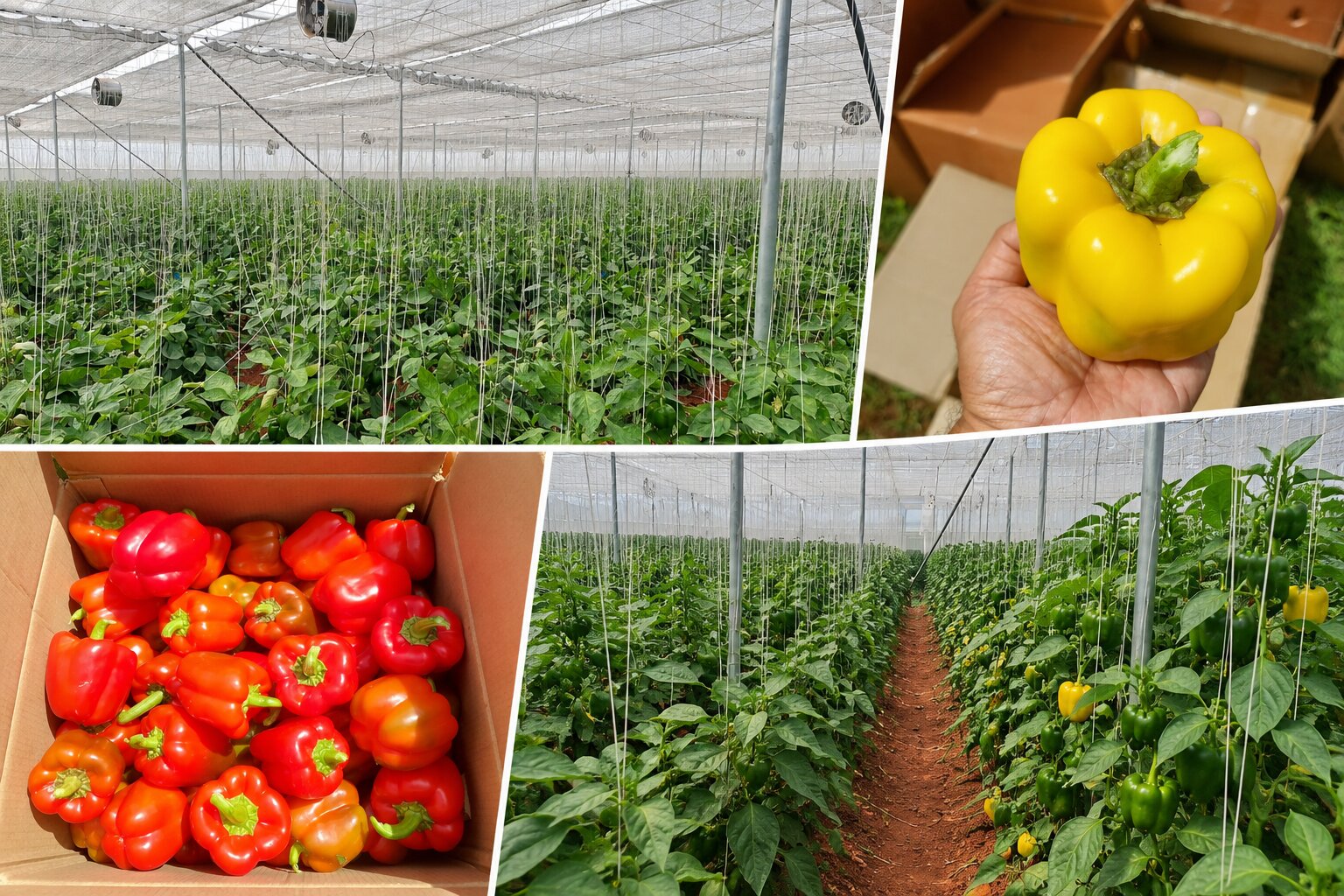
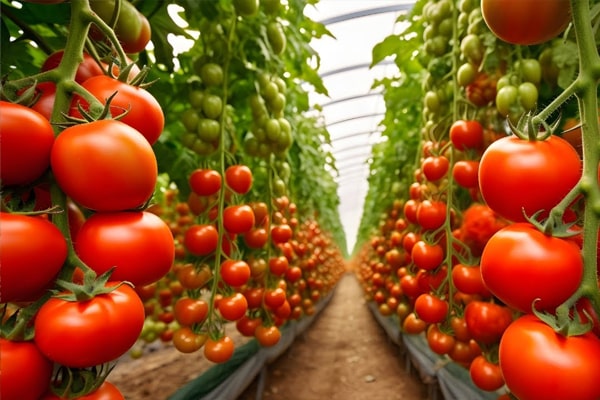
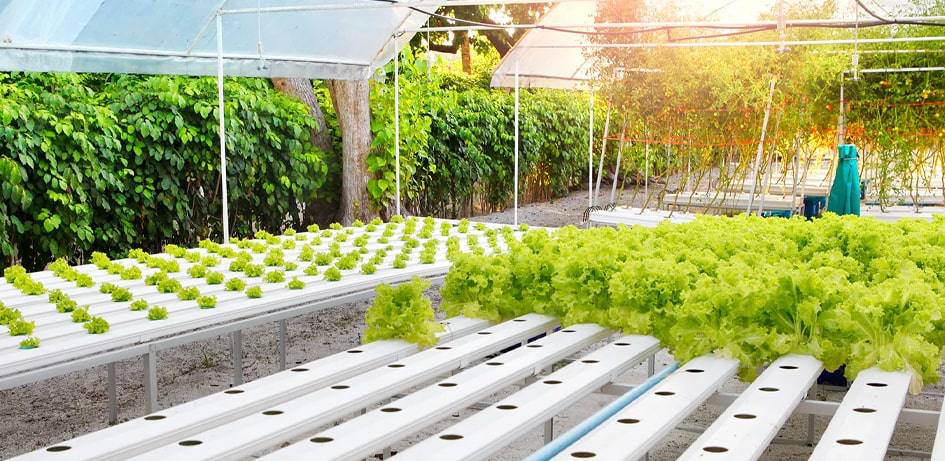
Polyhouse structures are a type of greenhouse designed for growing crops in a controlled environment. They provide a protected environment for plants, allowing them to grow more efficiently and healthily. Polyhouse structures are becoming increasingly popular for commercial and residential use, as they offer many advantages over traditional greenhouses.
The main advantage of polyhouse structures is that they provide a more controlled environment for plants, allowing them to be grown more efficiently. By controlling the temperature and humidity inside the polyhouse, plants can be better protected from extreme weather conditions outside.
Additionally, the structure helps to keep pests and diseases away, as well as provides protection from strong winds.
What Are the Types of Polyhouses, and How Much Do They Cost?
1. Natural Ventilation Polyhouse
The first type of polyhouse is the natural ventilation polyhouse. These structures feature large windows and doors designed to allow air to circulate freely, providing plants with a healthy environment. This type of polyhouse is the least expensive and can be built with a variety of materials, such as plastic or metal.
2. Low-Cost or Tech Environmental Control Polyhouse
The second type of polyhouse is the low-cost or tech environmental control polyhouse. These structures are designed to provide a more controlled environment, allowing for more precise temperature and humidity levels. They can be fitted with fans, misting systems, and other features to help maintain the ideal growing environment.
This type of polyhouse is usually the least expensive and is often used for small-scale home gardening.
3. Medium-Cost or Tech Environmental Control Polyhouse
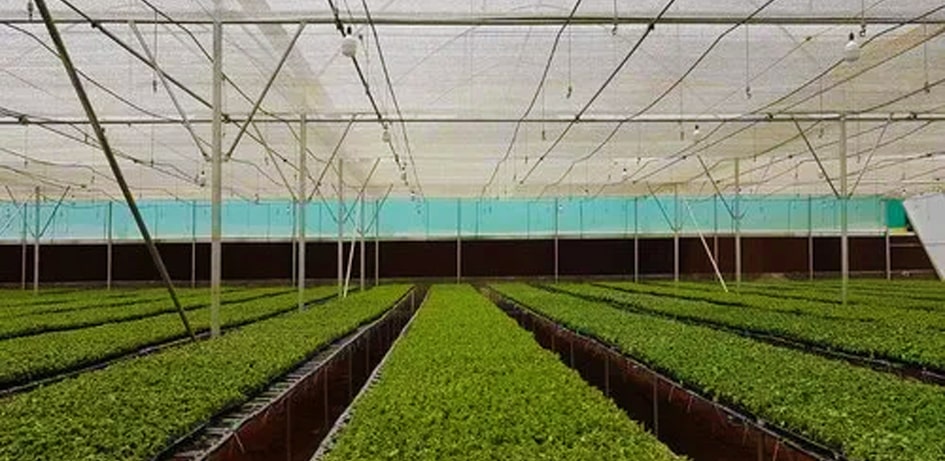
Medium-cost or tech environmental control polyhouse is usually made of a combination of plastic sheeting and shade cloth and is designed to provide more protection and control than a basic polyhouse. This type of polyhouse will usually include additional features like adjustable vents, thermostats, humidifiers, and more.
4. Hi-Cost or Tech Environmental Control Polyhouse
Hi-cost or tech environmental control polyhouses are the most expensive type of polyhouse. These polyhouses are made of a heavy-duty plastic or metal frame and covered with transparent plastic sheets. They offer the most advanced environmental control systems such as computerized climate control, automated irrigation, and advanced lighting systems.
The Average Cost of Polyhouse Structures
If you have decided on establishing a polyhouse structure, you have to factor in the cost. On average, the cost of polyhouse structure are ? 950 per square meter, with the price including the cost of fogging, fertigation, and drip irrigation.
For shade net structures, the average cost per acre is ? 1,400,000, while the average cost for meta-structured polyhouses are ? 3,800,000 per acre.
Though the costs can be quite high, those interested in constructing polyhouses may apply for government subsidy, ranging from 50% to 75?pending on the state.
Final Thoughts
No matter which type of polyhouse you choose, you can be confident that it will provide you with the shelter and protection you need to keep your crops healthy and thriving. Each type has its own advantages and disadvantages, so be sure to consider your budget and needs before making a decision.
If you’re looking to hire a polyhouse construction company, let our team at Agriplast Protected Cultivation help you. Our Agriplast polyhouses are made from 25 years of learning and hard work, and you can rest assured that you get a sustainable and stable solution. Call us today to learn about our Agriplast polyhouse structures!
Recent Posts
Your Farm. Your Future.
Every great harvest starts with the right conversation. Let our experts design a polyhouse built around your land, crop, and climate.
Talk to an ExpertFrequently Asked Questions
In this video, Abhishek Bhatt, Director of Agriplast Protected Cultivation, will provide a comprehensive breakdown of why Agriplast Polyhouse outperforms other polyhouses in terms of yield. He'll elucidate on key features like superior design, Israeli technology application, and optimal environmental control. The design facilitates enhanced ventilation, ensuring ideal growing conditions. Additionally, the use of Israeli technology, tailored for Indian agricultural needs, plays a crucial role in maximizing yields. Stay tuned to gain valuable insights into how Agriplast Polyhouse revolutionizes protected cultivation for superior agricultural outcomes.
A greenhouse is a transparent structure which is made using glass where plants are grown under certain climatic conditions. The agricultural industry has got many innovations, and the greenhouse technology makes use of modern and smart technology to give optimum facilities to the plants for their better and more efficient growth all around the year. Polyhouse is a kind of greenhouse where polyethene plastic material is used to create the polyhouse instead of the use of glass.
A greenhouse is designed to grow plants even in adverse climatic conditions. The translucent glass that covers the greenhouse gives the plants enough light to let them carry the photosynthesis process easily by absorbing light energy. Since the greenhouse is in an airtight condition, a sufficient amount of sunlight makes the greenhouse warmer from within than the outer atmosphere.
Greenhouse not only warms the greenhouse from within only in summers but in winters; it allows for an artificial heating solution which is effective but is a bit expensive. Some other inexpensive ways of warming up your greenhouse are:
- If you cover the inside of a greenhouse structure with a bubble layer wrap, you will observe a reduction in heat loss.
- Good power supply availability will allow you to add electric fan heaters to circulate hot air within the greenhouse for the plant's growth.
- You can also get electric greenhouse heaters installed that come with an inbuilt thermostat and works automatically when the temperature of the outer surroundings goes down.
Greenhouse benefits you in several different ways, which are listed below:
- Helps in producing fresh crops at any time of the year.
- The facility of producing the crops all around the year, even in adverse climatic conditions.
- The greenhouse allows the farmers to create an exclusive environment for the better plant growth.
- Protects crops from adverse climatic conditions.
- The light energy within a greenhouse is distributed evenly to all the plants.
- Greenhouse installation makes it easy for the farmers to grow crops with less use of pesticides.
- Greenhouse setup helps in saving the total usage of resources.