What Materials Are Used for Polyhouse Construction?
What Materials Are Used for Polyhouse Construction?
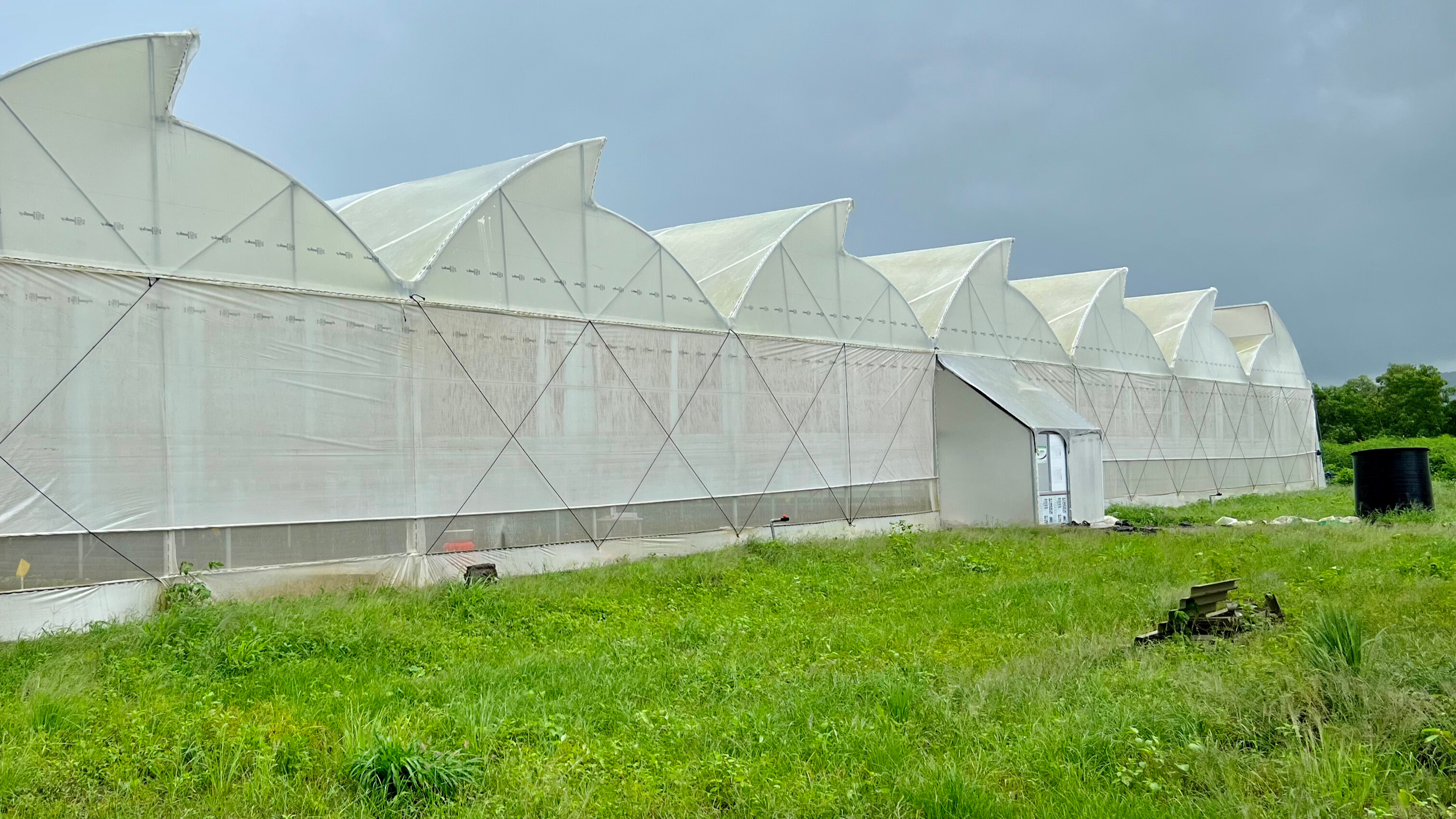
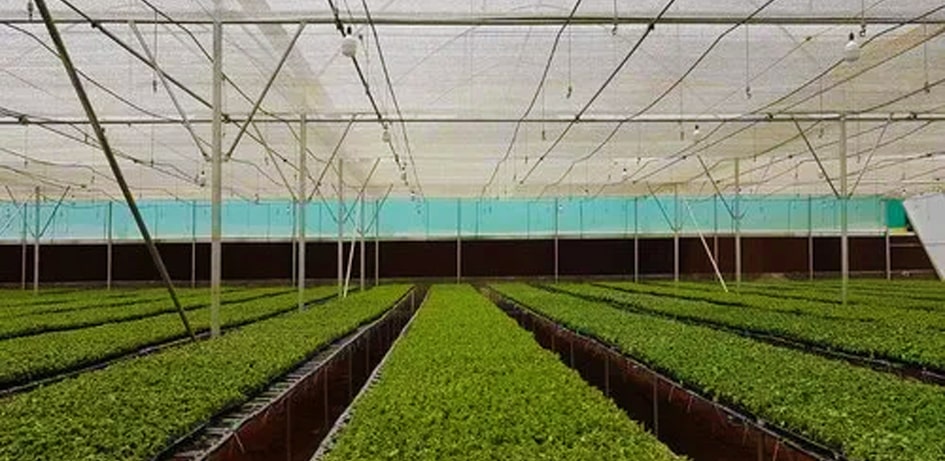
Polyhouse farming has become increasingly popular in modern agriculture because it allows farmers to control temperature, humidity, and light—leading to higher yields and better-quality crops. A polyhouse is essentially a protected structure made with specific materials designed to create an ideal growing environment.
In this blog, we’ll explore all the major materials used in polyhouse construction, their purpose, and why they matter.
1. Structural Frame Materials
The frame is the backbone of a polyhouse. It must be strong, durable, and resistant to weather conditions such as wind, rain, and heat.
• Galvanized Iron (GI) pipes are the most commonly used material for polyhouse frames. They are coated with zinc, which protects them from rust and corrosion, making them suitable for long-term use. GI pipes offer excellent strength and can easily support the structure for 15–20 years.
• Steel pipes are also used, especially in large commercial polyhouses. They provide high load-bearing capacity but usually require additional anti-corrosion treatment to prevent rusting.
• Aluminum pipes are lightweight and naturally resistant to corrosion. They are easy to install but are more expensive and less commonly used due to lower strength compared to steel or GI pipes.
2. Cladding (Covering) Materials
The covering material plays a crucial role in controlling the internal environment of the polyhouse.
• The most widely used cladding material is UV-stabilized polyethylene (PE) film. This plastic sheet, typically 180–200 microns thick, helps maintain temperature and humidity while protecting crops from harmful ultraviolet radiation. Depending on quality, it usually lasts 3–5 years.
• In some advanced or premium polyhouses, polycarbonate sheets are used. These are rigid, highly durable, and provide better insulation, but their higher cost limits widespread use.
3. Ventilation and Shading Materials
Proper ventilation and shading are essential to prevent overheating and pest infestation inside the polyhouse.
• Shade nets are used to reduce excessive sunlight and heat. They are available in different shading percentages, usually ranging from 30% to 75%, depending on crop requirements.
• Insect nets are installed on sidewalls and vents to block pests while allowing airflow. Common mesh sizes range from 40 to 50 mesh, which are effective against most insects.
4. Foundation and Anchoring Materials
A strong foundation ensures the stability and durability of the polyhouse, especially in areas prone to strong winds.
• Permanent polyhouses generally use concrete foundations, which provide excellent strength and long-term stability. In semi-permanent structures, ground pipes are inserted deep into the soil to support the frame.
• Anchor bolts and base plates are used to firmly fix the structure to the ground and prevent movement.
5. Irrigation and Climate Control Materials
Efficient irrigation and climate control systems are vital for maintaining optimal growing conditions.
• Most polyhouses use drip irrigation systems, which include pipes, emitters, valves, and filters to supply water directly to plant roots. Foggers and misters are often installed to control temperature and humidity, especially during hot weather.
• Additional components such as PVC pipes, water storage tanks, thermometers, and hygrometers help monitor and manage the internal environment effectively.
6. Doors, Fasteners, and Accessories
Though small, these components are essential for the smooth functioning of a polyhouse.
• Polyhouses typically have single or double doors for easy access. Locking channels, springs, clamps, nuts, and bolts are used to secure the covering material and frame. Repair tapes and sealing materials help in maintenance and extending the life of the structure.
Conclusion
Polyhouse construction requires a careful selection of strong structural materials, durable covering films, and efficient irrigation and climate control components. Using high-quality materials not only improves crop productivity but also increases the lifespan of the polyhouse and reduces maintenance costs.
Whether you are planning a small-scale polyhouse or a large commercial setup, investing in the right materials is the foundation of successful protected farming.
Recent Posts
Your Farm. Your Future.
Every great harvest starts with the right conversation. Let our experts design a polyhouse built around your land, crop, and climate.
Talk to an ExpertFrequently Asked Questions
In this video, Abhishek Bhatt, Director of Agriplast Protected Cultivation, will provide a comprehensive breakdown of why Agriplast Polyhouse outperforms other polyhouses in terms of yield. He'll elucidate on key features like superior design, Israeli technology application, and optimal environmental control. The design facilitates enhanced ventilation, ensuring ideal growing conditions. Additionally, the use of Israeli technology, tailored for Indian agricultural needs, plays a crucial role in maximizing yields. Stay tuned to gain valuable insights into how Agriplast Polyhouse revolutionizes protected cultivation for superior agricultural outcomes.
A greenhouse is a transparent structure which is made using glass where plants are grown under certain climatic conditions. The agricultural industry has got many innovations, and the greenhouse technology makes use of modern and smart technology to give optimum facilities to the plants for their better and more efficient growth all around the year. Polyhouse is a kind of greenhouse where polyethene plastic material is used to create the polyhouse instead of the use of glass.
A greenhouse is designed to grow plants even in adverse climatic conditions. The translucent glass that covers the greenhouse gives the plants enough light to let them carry the photosynthesis process easily by absorbing light energy. Since the greenhouse is in an airtight condition, a sufficient amount of sunlight makes the greenhouse warmer from within than the outer atmosphere.
Greenhouse not only warms the greenhouse from within only in summers but in winters; it allows for an artificial heating solution which is effective but is a bit expensive. Some other inexpensive ways of warming up your greenhouse are:
- If you cover the inside of a greenhouse structure with a bubble layer wrap, you will observe a reduction in heat loss.
- Good power supply availability will allow you to add electric fan heaters to circulate hot air within the greenhouse for the plant's growth.
- You can also get electric greenhouse heaters installed that come with an inbuilt thermostat and works automatically when the temperature of the outer surroundings goes down.
Greenhouse benefits you in several different ways, which are listed below:
- Helps in producing fresh crops at any time of the year.
- The facility of producing the crops all around the year, even in adverse climatic conditions.
- The greenhouse allows the farmers to create an exclusive environment for the better plant growth.
- Protects crops from adverse climatic conditions.
- The light energy within a greenhouse is distributed evenly to all the plants.
- Greenhouse installation makes it easy for the farmers to grow crops with less use of pesticides.
- Greenhouse setup helps in saving the total usage of resources.