Boost Farm Sustainability with IPM Strategies in Agriplast Protected Cultivation Structures
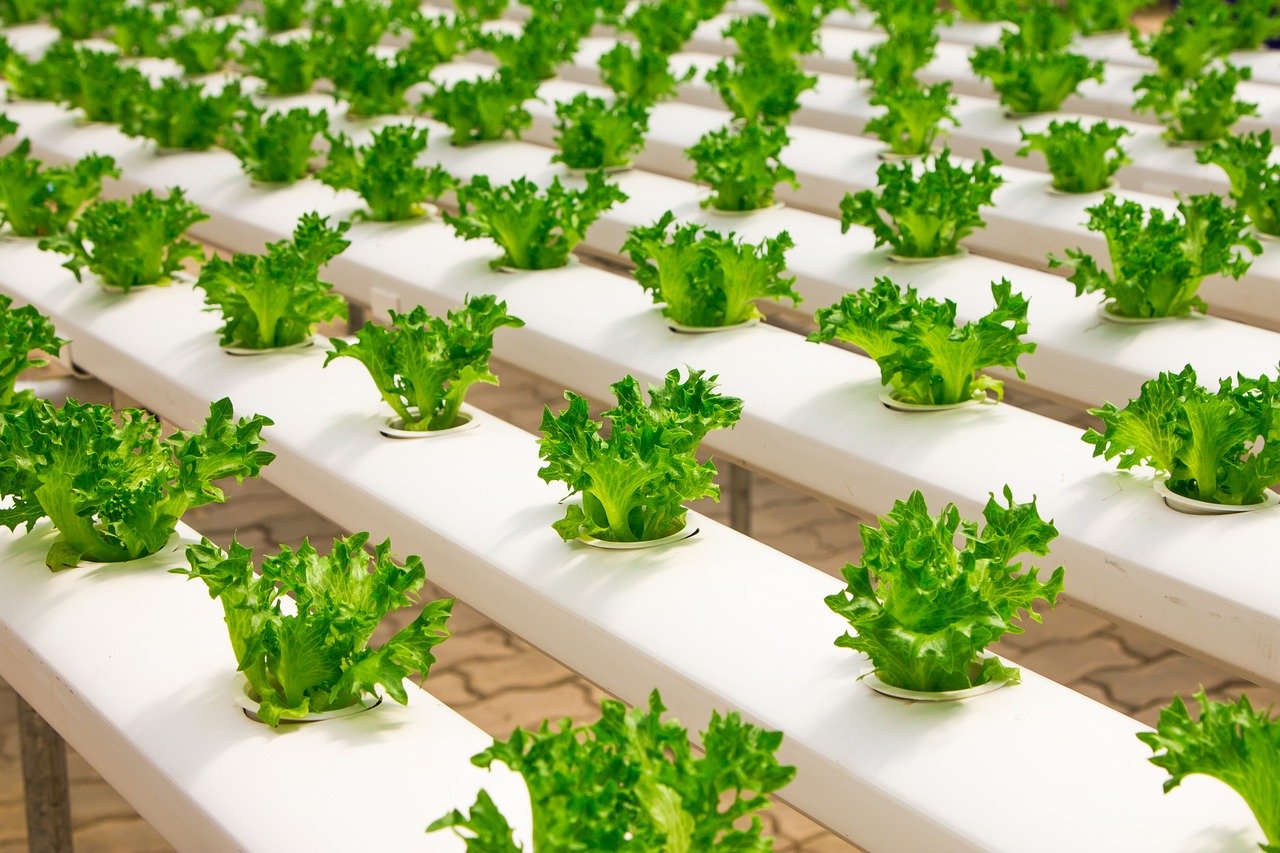
As the demand for high-quality, pesticide-free crops continues to grow, effective pest management strategies within protected cultivation structures become increasingly important. Agriplast Protected Cultivation Protected Cultivation, as a leading polyhouse manufacturer in India, is dedicated to offering workable solutions that help growers achieve a continuous growth process, while mitigating the reliance on harmful chemicals and promoting overall farm sustainability. One such solution is the adoption of integrated pest management (IPM) strategies within their state-of-the-art polyhouses, greenhouses, and net houses.
IPM is a comprehensive approach to pest control that utilizes a combination of techniques, such as biological control, cultural practices, and responsible chemical use to maintain pest populations at manageable levels. By incorporating IPM strategies within Agriplast Protected Cultivation's protected cultivation structures, growers can effectively reduce the need for synthetic pesticides, minimize crop losses, and improve overall farm sustainability.
This article aims to delve into the various IPM methods that can be implemented within Agriplast Protected Cultivation's protected cultivation structures, exploring their potential benefits and showcasing how they can contribute to a healthier, more sustainable farming operation. By understanding and adopting these pest management strategies, growers utilizing Agriplast Protected Cultivation's structures can not only yield high-quality crops but also foster a more sustainable, environmentally responsible approach to modern agriculture.
Biological Control – Harnessing Nature's Predators for Effective Pest Management
Biological control methods involve the introduction of natural predators, parasites, or pathogens to limit pest populations. By incorporating these biological agents within Agriplast Protected Cultivation's protected cultivation structures, growers can effectively manage pests while reducing the need for synthetic chemicals.
Beneficial insects, such as ladybugs, parasitic wasps, and predatory mites can be released within Agriplast Protected Cultivation's structures to target specific pests. These beneficial organisms can help maintain pest populations below the economic injury level, ensuring minimal crop losses and a healthier growing environment. The controlled conditions within Agriplast Protected Cultivation's structures enable growers to efficiently use these natural allies, reducing the impact of pests on crops and the environment.
Cultural Control – Preventing Pest Infestations through Smart Farming Practices
Cultural control methods encompass a range of farming practices that help to minimize the development of pest populations. When implemented within Agriplast Protected Cultivation's protected cultivation structures, these practices can effectively reduce the risk of pest infestations and the subsequent need for chemical interventions.
Some key cultural control strategies that can be adopted within Agriplast Protected Cultivation's structures include proper sanitation, crop rotation, and the use of pest-resistant cultivars. By maintaining a clean growing environment, rotating crops to disrupt pest life cycles, and using varieties less susceptible to pests, growers can effectively reduce the risk of infestations and the subsequent need for chemical controls.
Responsible Chemical Use – Employing Targeted and Environmentally Friendly Pesticides
While the overarching goal of IPM is to reduce reliance on synthetic chemicals, the responsible use of pesticides remains a practical component of successful pest management. When the use of chemical controls becomes necessary within Agriplast Protected Cultivation's protected cultivation structures, growers should prioritize targeted and environmentally friendly options.
Pesticide use should be guided by regular monitoring of pest populations and employed only when economic injury levels are reached. Growers utilizing Agriplast Protected Cultivation's structures can opt for selective pesticides with lower toxicity to non-target organisms, as well as favoring the use of biopesticides derived from natural sources. By adopting these responsible chemical control strategies, growers can minimize the environmental impact of their pest management efforts while effectively safeguarding their crops.
Monitor and Forecast – Utilizing Data for Proactive Pest Management
Regular monitoring and forecasting of pest populations play a crucial role in the successful implementation of IPM strategies within Agriplast Protected Cultivation's protected cultivation structures. By observing and tracking pests, growers can make informed decisions about when and how to deploy control measures, promoting responsible resource usage and minimizing unnecessary interventions.
Monitoring and forecasting can involve visual inspections of crops, setting up pest traps, and analyzing historical pest data. Data-driven tools and decision support systems can also inform and optimize pest management efforts within Agriplast Protected Cultivation's structures. By staying vigilant and proactive in their pest management approach, growers can reduce crop losses and maintain a healthier growing environment with minimal reliance on synthetic chemicals.
Conclusion
Adopting integrated pest management strategies within Agriplast Protected Cultivation's protected cultivation structures offers a comprehensive and responsible approach towards pest control, with the potential to improve overall farm sustainability. By incorporating IPM methods, such as biological control, cultural practices, responsible chemical use, and monitoring and forecasting, growers can successfully combat pests while minimizing crop losses and reducing their ecological footprint.
Incorporating these strategies within Agriplast Protected Cultivation's state-of-the-art polyhouses, greenhouses, and net houses not only allows growers to maximize the performance of their protected cultivation investments but also showcases the company's commitment to environmentally responsible farming practices. By embracing IPM, Agriplast Protected Cultivation's customers are not only contributing to a healthier agricultural sector but also helping to shape a more sustainable, productive, and eco-friendly future for the industry at large.
Recent Posts
Your Farm. Your Future.
Every great harvest starts with the right conversation. Let our experts design a polyhouse built around your land, crop, and climate.
Talk to an ExpertFrequently Asked Questions
In this video, Abhishek Bhatt, Director of Agriplast Protected Cultivation, will provide a comprehensive breakdown of why Agriplast Polyhouse outperforms other polyhouses in terms of yield. He'll elucidate on key features like superior design, Israeli technology application, and optimal environmental control. The design facilitates enhanced ventilation, ensuring ideal growing conditions. Additionally, the use of Israeli technology, tailored for Indian agricultural needs, plays a crucial role in maximizing yields. Stay tuned to gain valuable insights into how Agriplast Polyhouse revolutionizes protected cultivation for superior agricultural outcomes.
A greenhouse is a transparent structure which is made using glass where plants are grown under certain climatic conditions. The agricultural industry has got many innovations, and the greenhouse technology makes use of modern and smart technology to give optimum facilities to the plants for their better and more efficient growth all around the year. Polyhouse is a kind of greenhouse where polyethene plastic material is used to create the polyhouse instead of the use of glass.
A greenhouse is designed to grow plants even in adverse climatic conditions. The translucent glass that covers the greenhouse gives the plants enough light to let them carry the photosynthesis process easily by absorbing light energy. Since the greenhouse is in an airtight condition, a sufficient amount of sunlight makes the greenhouse warmer from within than the outer atmosphere.
Greenhouse not only warms the greenhouse from within only in summers but in winters; it allows for an artificial heating solution which is effective but is a bit expensive. Some other inexpensive ways of warming up your greenhouse are:
- If you cover the inside of a greenhouse structure with a bubble layer wrap, you will observe a reduction in heat loss.
- Good power supply availability will allow you to add electric fan heaters to circulate hot air within the greenhouse for the plant's growth.
- You can also get electric greenhouse heaters installed that come with an inbuilt thermostat and works automatically when the temperature of the outer surroundings goes down.
Greenhouse benefits you in several different ways, which are listed below:
- Helps in producing fresh crops at any time of the year.
- The facility of producing the crops all around the year, even in adverse climatic conditions.
- The greenhouse allows the farmers to create an exclusive environment for the better plant growth.
- Protects crops from adverse climatic conditions.
- The light energy within a greenhouse is distributed evenly to all the plants.
- Greenhouse installation makes it easy for the farmers to grow crops with less use of pesticides.
- Greenhouse setup helps in saving the total usage of resources.