Greenhouse Farming Explained: Types, Benefits, Techniques, Costs, Crops & More
Greenhouse Farming
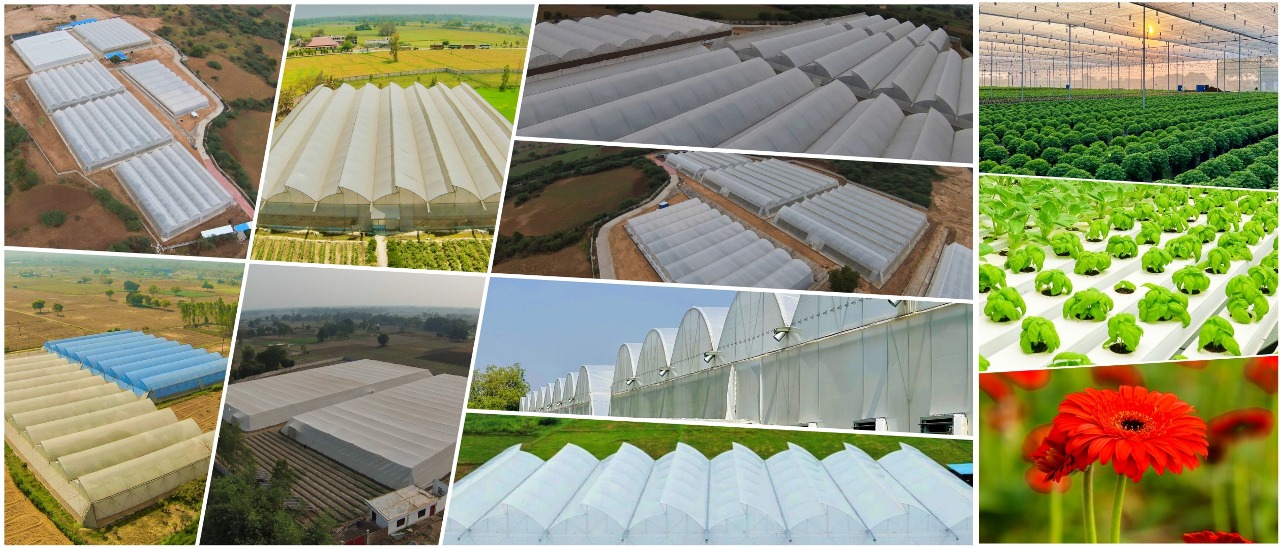
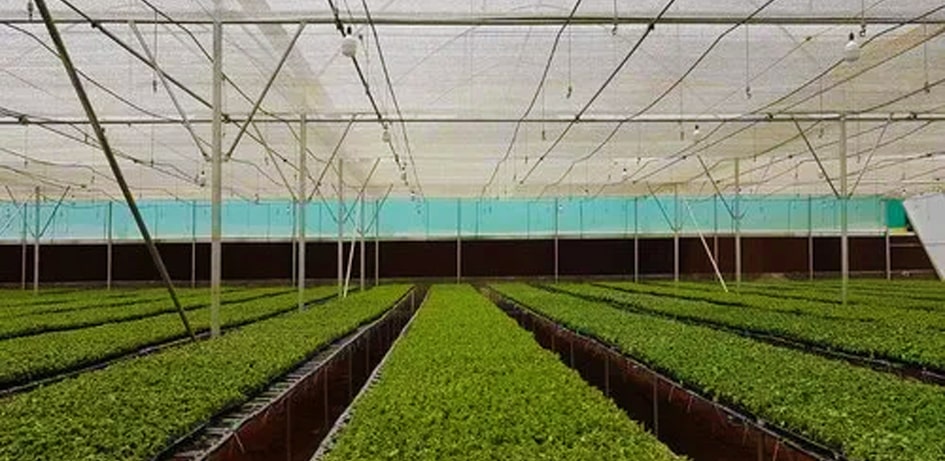
Greenhouse farming is a method of growing crops within a structure designed to provide a controlled environment. These structures, made from transparent materials like polyfilm or polycarbonate, allow sunlight in while protecting crops from harsh weather, pests, and other external factors. By managing temperature, humidity, and ventilation, greenhouse farming enables growers to extend growing seasons, enhance crop yields, and cultivate plants year-round.
Unlike traditional open-field farming, greenhouse farming empowers the grower with significant control over environmental variables. This control translates into consistent production regardless of external climatic fluctuations, leading to more stable yields and income. Furthermore, greenhouses facilitate the cultivation of high-value crops in regions where they otherwise wouldn't thrive.
Note – Greenhouse vs Polyhouse:
The term polyhouse is used for any greenhouse structure that is covered with UV-stabilized polyethylene (poly) film. Structurally, a polyhouse can be a tunnel, gothic, or saw-tooth type. In this chapter, when we say greenhouse, we mainly refer to polyhouses unless a different covering material is specified (e.g., glass greenhouse, shade net house).
The Benefits (advantages) of Greenhouse Farming
Greenhouse farming offers a wide range of advanages that go beyond just higher yields. These advantages span environmental sustainability, economic viability, and food security.
Environmental Benefits
By providing a closed or semi-closed environment, greenhouses reduce the need for chemical pesticides, minimizing environmental pollution. Controlled irrigation methods like drip systems ensure water efficiency, often cutting water use by up to 50% compared to open-field methods. Soil erosion is also significantly reduced due to limited exposure to rainfall and wind.
Economic Advantages
Though the initial investment can be high, the returns on greenhouse farming often outweigh traditional methods. Higher yield per square meter, uniform crop quality, and the ability to grow out-of-season crops allow farmers to fetch premium market prices. Year-round cultivation also ensures continuous income.
Sustainability
Greenhouses support sustainable agricultural practices by optimizing resource usage, integrating renewable energy systems like solar heaters, and encouraging local food production, thereby reducing the carbon footprint associated with long-distance transport.
Types of Greenhouses
Greenhouses can be classified based on structure, functionality, and technology level. Understanding these classifications helps farmers select the best type suited to their crops, climate, and investment capacity.
I. Classification by Structure
Structural classification focuses on the physical design and shape of the greenhouse, which affects light transmission, ventilation, and strength.
1. Tunnel (Hoop) Greenhouse
• Description: Semi-circular or hoop-shaped frame made of GI or PVC pipes covered with polyfilm.
• Advantages: Low-cost, quick installation, good for short-season crops.
• Disadvantages: Limited control over temperature and humidity.
• Best For: Tomatoes, cucumbers, leafy greens.
2. Gothic (Gable-Type) Greenhouse
• Description: Pointed-arch or A-frame roof design that prevents snow accumulation.
• Advantages: Excellent for cold or rainy regions; strong structure.
• Disadvantages: Slightly higher construction cost.
• Best For: Cold climates and regions with heavy rainfall.
3. Saw-Tooth Greenhouse
• Description: Roof has alternating slopes like saw teeth, promoting superior ventilation.
• Advantages: Excellent airflow and heat dissipation; ideal for large farms.
• Disadvantages: Complex construction and moderate cost.
• Best For: Large-scale vegetable and flower farming.
4. Dome-Shaped Greenhouse
• Description: Hemispherical frame that distributes stress evenly and resists wind.
• Advantages: High stability and uniform light distribution.
• Disadvantages: Complicated design; requires precision in construction.
• Best For: Windy or coastal regions.
5. Lean-To Greenhouse
• Description: Attached to an existing wall or structure, sharing one side for support.
• Advantages: Cost-efficient and space-saving for small farms or urban areas.
• Disadvantages: Limited size and light exposure.
• Best For: Home or urban gardeners.
II. Classification by Functionality
This classification is based on how greenhouses regulate internal conditions and adapt to climate challenges.
1. Naturally Ventilated Greenhouse/Polyhouse (NVPH)
• Description: Uses side and roof vents to enable passive airflow without mechanical fans.
• Advantages: Energy-efficient, affordable, minimal maintenance.
• Disadvantages: Limited control during extreme heat or humidity.
• Best For: Tropical and subtropical regions.
2. Fan & Pad (Evaporative Cooling) Greenhouse / Polyhouse
• Description: Equipped with exhaust fans and cooling pads for active temperature regulation.
• Advantages: Maintains optimal temperature and humidity year-round.
• Disadvantages: Requires constant electricity and water supply.
• Best For: High-value crops, exotic vegetables, and flowers.
3. Retractable Roof Greenhouse
• Description: Roof panels open and close automatically based on environmental conditions.
• Advantages: Flexibility in managing light, rainfall, and temperature.
• Disadvantages: Mechanically complex and expensive.
• Best For: Research, nurseries, and high-end floriculture.
4. Shade Net House
• Description: Uses shade nets to protect from excess sunlight and pests.
• Advantages: Cost-effective, easy to build, good for tropical climates.
• Disadvantages: No control over humidity or heat.
• Best For: Nurseries and partial-shade crops.
5. Glass Greenhouse
• Description: Traditional design with glass panels providing maximum transparency.
• Advantages: Superior light transmission, high durability.
• Disadvantages: Expensive and fragile; needs heating in winter.
• Best For: Cold or temperate regions; floriculture and research farms.
III. Classification by Technology Level
Greenhouses can also be categorized by the degree of automation and control systems integrated.
1. Low-Tech Greenhouses
• Examples: Shade Net House, Tunnel Greenhouse.
• Features: Manual operations, basic irrigation, minimal automation.
• Best For: Beginners and small-scale farmers.
2. Medium-Tech Greenhouses
• Examples: Naturally Ventilated Polyhouse, Gothic Greenhouse.
• Features: Semi-automated irrigation, basic ventilation systems.
• Best For: Mid-level farmers looking for moderate climate control.
3. High-Tech Greenhouses
• Examples: Fan & Pad, Polycarbonate, Retractable Roof, Glass Greenhouse.
• Features: Fully automated climate control (temperature, humidity, CO?). Integration with IoT systems.
• Best For: Commercial farms, export-oriented horticulture, research institutions.
Selecting the Right Location
Choosing the right site is crucial for the success of a greenhouse. Here are some key considerations:
• Sunlight Exposure: Choose a south-facing plot with maximum sun exposure, especially during winter months.
• Accessibility: The site should be easily accessible for workers, machinery, and transportation of inputs and produce.
• Water & Electricity: Proximity to a reliable water source and electrical connection is essential, especially for automated systems.
• Drainage: Avoid low-lying areas to prevent waterlogging. Proper drainage systems are a must to avoid root diseases.
A well-chosen site reduces long-term operating costs and improves overall efficiency.
Essential Components of a Greenhouse
Every greenhouse, regardless of its type, must include several key components to ensure optimal performance:
• Framing Material: Galvanized iron pipes are most common for commercial use, but bamboo and wood are used in low-cost setups.
• Covering Material: UV-stabilized polyfilm for basic greenhouses, polycarbonate sheets for durability, and shade nets for net houses.
• Ventilation: Natural (roof and side vents) or mechanical (fans, louvers).
• Irrigation Systems: Drip irrigation, foggers, and misting systems help maintain appropriate moisture levels.
• Heating/Cooling: Fan & pad systems, thermal screens, or even solar-powered systems.
• Technology: Climate sensors, automated controllers, and data logging tools for precision agriculture.
Products from protectedcultivation.com include high-quality GI frames, polyfilms with 5-layer technology, and fully integrated climate control systems.
Soil and Crop Selection
Choosing the right soil and crops is a key part of successful greenhouse farming. The quality of the soil directly affects root growth, nutrient availability, and overall crop health, while crop selection determines productivity and profitability.
1. Soil Qualities for Greenhouse Use
Greenhouse soil needs to balance water retention and drainage while remaining rich in organic matter. Loamy or sandy-loam soil is ideal for most crops because it provides enough aeration for roots and drains well after irrigation.
Important Soil Characteristics:
• Texture: Loamy or sandy-loam for balanced aeration and drainage.
• pH Level: Maintain a pH between 6.0 and 7.0 for most vegetables and flowers.
• Organic Matter: Add compost, vermicompost, or farmyard manure regularly.
• Salinity: Avoid saline soils that can hinder water absorption and nutrient uptake.
2. Soil Preparation and Conditioning
Before planting, the soil must be sterilized, enriched, and structured to support root growth. The process includes:
• Soil Testing: Conduct soil tests to analyze nutrients and pH. Adjust fertility based on test results.
• Solarization: Cover moist soil with transparent plastic for 4–6 weeks during summer to kill pathogens and weeds using heat.
• Bio-fumigation: Apply neem cake, mustard cake, or Trichoderma formulations for pest and disease control.
• Bed Formation: Create raised beds about 1 meter wide and 25–30 cm high to enhance drainage.
• Mulching: Use black plastic or organic mulch to prevent weeds, retain moisture, and regulate temperature.
3. Alternative Growing Media
For hydroponics or areas with poor soil, soilless growing media are effective options. Common materials include:
• Cocopeat: Excellent for water retention and root aeration.
• Perlite and Vermiculite: Improve air circulation and reduce compaction.
• Rockwool: Maintains moisture consistency, ideal for hydroponic crops.
• Peat Moss: Lightweight and organic but slightly acidic, requiring pH balancing. These materials can be blended for optimal performance depending on crop requirements.
4. Crop Selection for Greenhouses
Crop selection depends on market demand, climatic conditions, and technology level of the greenhouse.
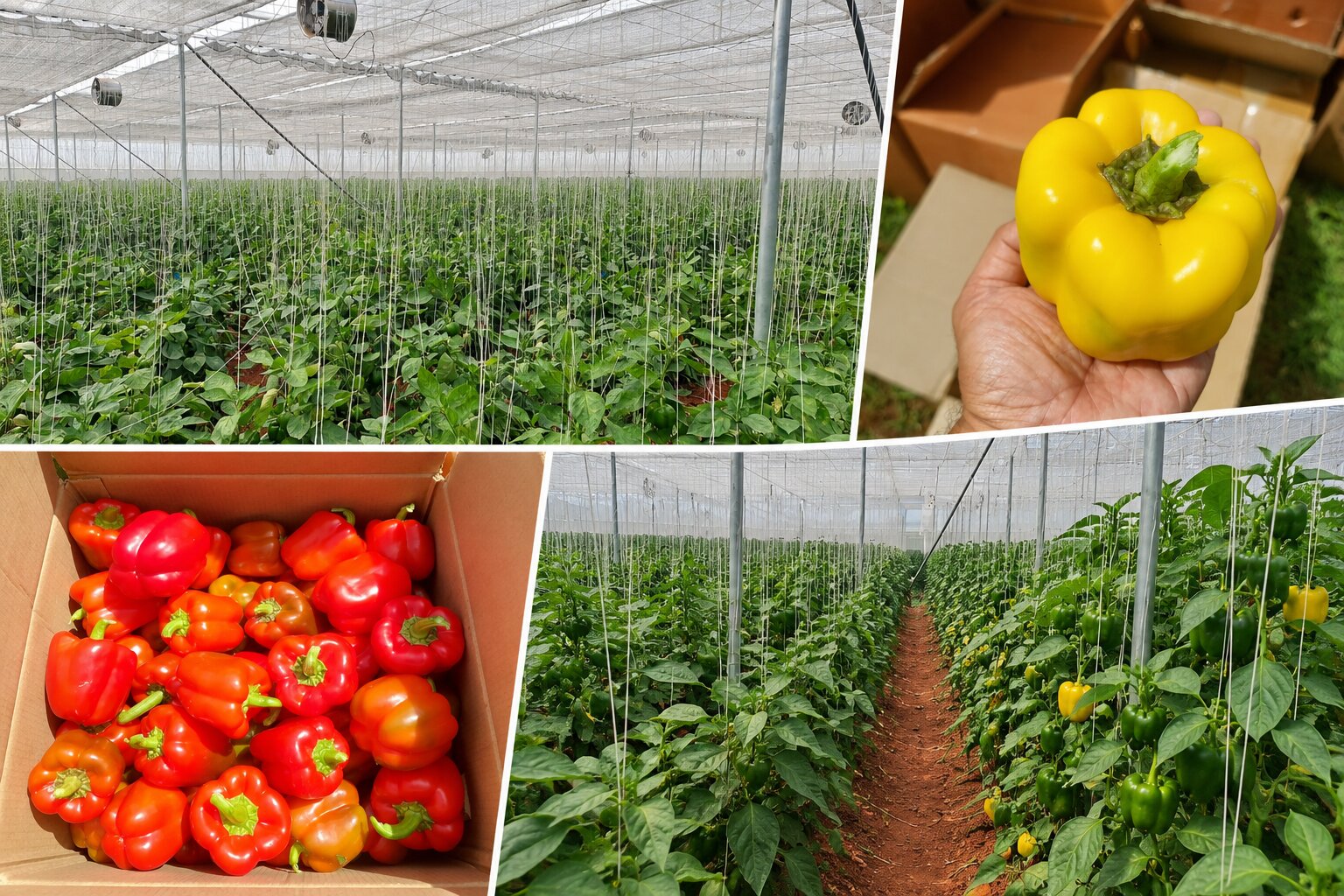
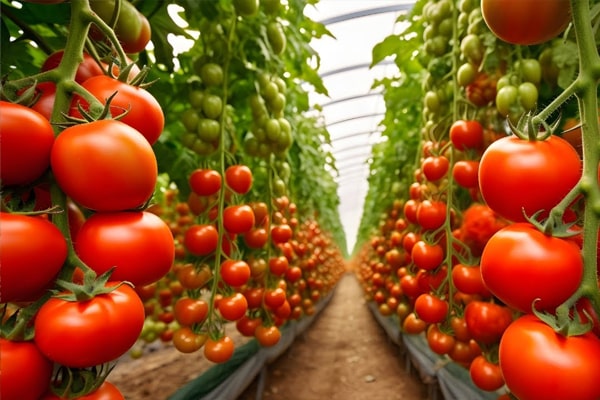
• Vegetables: Tomatoes, cucumbers, capsicums, beans, and lettuce perform exceptionally well due to their high yield potential and demand.
• Flowers: Roses, gerberas, chrysanthemums, and carnations are profitable for floriculture businesses.
• Fruits: Strawberries and melons are ideal for temperature-controlled polyhouses.
• Herbs: Basil, mint, coriander, oregano, and parsley are popular for both local and export markets.
• Exotic Vegetables: Broccoli, kale, zucchini, and iceberg lettuce fetch premium prices in urban and international markets.
Growing Techniques in Greenhouses
Greenhouse farming supports a wide range of growing techniques, each offering unique benefits depending on crop type, climate, and available resources. These methods differ in how they provide nutrients, manage water, and optimize space.
1. Soil-Based Cultivation
This traditional method uses the natural soil inside the greenhouse, enriched with compost, cocopeat, or vermicompost. Farmers often form raised beds to improve drainage and use drip irrigation to deliver water directly to plant roots. Mulching is applied to retain moisture and control weeds. Soil-based farming is cost-effective and easy for beginners, ideal for crops like tomatoes, capsicum, and cucumbers.
2. Hydroponics
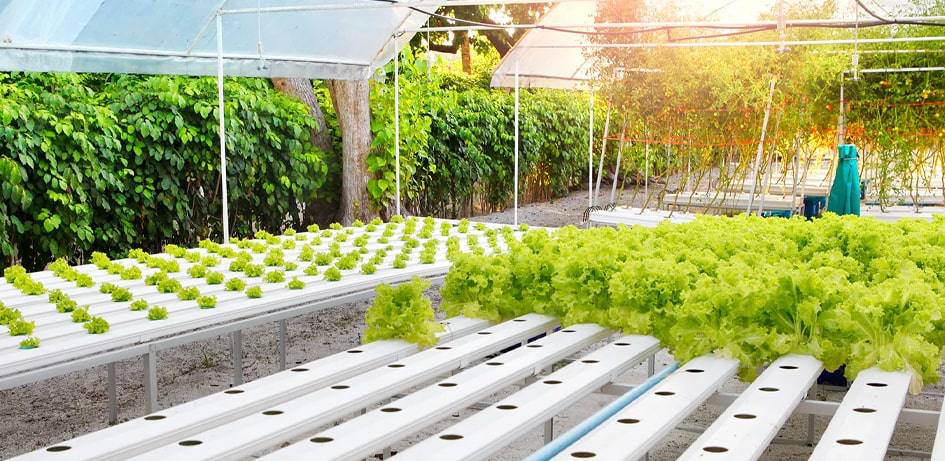
Hydroponics is a soil-less growing method where plants receive nutrients through a water-based solution. Roots are supported by materials like perlite or cocopeat. It allows precise control over nutrients and pH, resulting in faster growth and higher yields. Common hydroponic systems include Nutrient Film Technique (NFT), Deep Water Culture (DWC), and drip-based hydroponics. It’s suitable for leafy greens, herbs, and short-cycle crops.
3. Aquaponics
Aquaponics combines fish rearing (aquaculture) and hydroponics in a circular system. Fish waste provides nutrients for the plants, and plants purify the water for the fish. This eco-friendly setup reduces fertilizer use and saves water. Crops like lettuce, tomatoes, and kale grow alongside fish species like tilapia and catfish.
4. Aeroponics
In aeroponics, plants are grown without soil or water beds. Instead, their roots hang in the air and are sprayed with a nutrient mist. This method provides maximum oxygen to roots, encouraging faster and healthier growth. Although more complex and expensive, aeroponics is efficient and space-saving, often used for herbs, strawberries, and high-value crops.
5. Vertical Farming
Vertical farming is the practice of growing plants in stacked layers within controlled environments. It combines hydroponic or aeroponic systems and uses LED lighting to simulate sunlight. This method is especially valuable in urban areas where space is limited. It is popular for producing lettuce, spinach, and microgreens with consistent yields year-round.
6. Hybrid Systems
Modern commercial greenhouses often use hybrid systems - a mix of soil beds, hydroponic channels, and vertical racks. These setups allow farmers to grow different crops under one roof, optimizing both space and resources. For example, vine crops like tomatoes can grow in soil beds, while herbs like basil thrive in hydroponic trays.
Each of these techniques has its strengths and limitations. Soil-based systems are simple and affordable, hydroponics and aquaponics are resource-efficient, while aeroponics and vertical farming deliver higher yields but require advanced management. Choosing the right system depends on investment capacity, location, and crop choice.
Cost Considerations, Budgeting and Profitability
Greenhouse construction cost entirely depends on the type of greenhouse you are planning to get installed. The greenhouse cost increases when we move from a low tech greenhouse to a high-tech greenhouse. The setup cost can start from Rs.500 to 1500 per square meter. The net profit you can earn after the greenhouse is set up is easily around Rs. 12 lacs to 25 lacs per acre per annum depending on various crops. Greenhouse farming is one of the excellent income sources that help in maintaining crop quality even in adverse climatic conditions.
Regulatory Considerations for Greenhouse Farming
Setting up and operating a greenhouse involves adherence to local agricultural, zoning, and environmental regulations. Understanding these helps avoid penalties and ensures access to subsidies.
Land and Zoning Regulations
Before construction, check if your land is classified for agricultural use. In some areas, large commercial structures may require special zoning approvals or no-objection certificates from local authorities.
Construction and Safety Standards
Ensure that greenhouse structures comply with safety codes, especially regarding electrical installations and materials used. Fire-resistant materials and proper waste management systems are often mandatory in commercial greenhouses.
Environmental Compliance
Greenhouses that use fertilizers, pesticides, or large volumes of water may need environmental clearance. Responsible waste disposal and runoff management are also critical.
Subsidies and Support Programs
Many governments provide financial aid through horticulture development programs. In India, schemes like the Mission for Integrated Development of Horticulture (MIDH) and the National Horticulture Board (NHB) offer subsidies up to 50% of the project cost. Eligibility may depend on location, greenhouse type, and project size.
Tips for Successful Greenhouse Management
Running a greenhouse efficiently requires both planning and adaptability:
• Keep detailed records of planting, fertilization, and harvests.
• Practice crop rotation to avoid pest buildup.
• Train workers in handling modern equipment and emergency protocols.
• Perform regular maintenance of all systems.
• Stay informed about new technologies and practices
Why Greenhouse Farming is the Future?
Greenhouse farming is the future of agriculture because it offers a reliable solution to climate change, resource scarcity, and growing food demand. By providing a controlled environment, greenhouses protect crops from extreme weather, pests, and seasonal limitations, ensuring consistent, year-round production.
Compared to open-field farming, greenhouses use significantly less water through drip irrigation and recycling systems, making them ideal for water-stressed regions. Higher yield per square meter, better crop quality, and reduced chemical usage improve both profitability and food safety.
With limited arable land and rapid urbanization, greenhouse farming enables efficient use of space and supports local food production. Its ability to integrate automation, renewable energy, and precision agriculture makes it a sustainable, scalable, and future-ready farming model.
Start Your Greenhouse Journey
If you’re planning to build a greenhouse or upgrade your current setup, our experts can guide you with crop planning, design selection, budgeting, and subsidy support. Book a FREE consultation with our team today. Share your location and crop interest, and we’ll help you turn greenhouse farming into a year-round profit business.
Recent Posts
Your Farm. Your Future.
Every great harvest starts with the right conversation. Let our experts design a polyhouse built around your land, crop, and climate.
Talk to an ExpertFrequently Asked Questions
In this video, Abhishek Bhatt, Director of Agriplast Protected Cultivation, will provide a comprehensive breakdown of why Agriplast Polyhouse outperforms other polyhouses in terms of yield. He'll elucidate on key features like superior design, Israeli technology application, and optimal environmental control. The design facilitates enhanced ventilation, ensuring ideal growing conditions. Additionally, the use of Israeli technology, tailored for Indian agricultural needs, plays a crucial role in maximizing yields. Stay tuned to gain valuable insights into how Agriplast Polyhouse revolutionizes protected cultivation for superior agricultural outcomes.
A greenhouse is a transparent structure which is made using glass where plants are grown under certain climatic conditions. The agricultural industry has got many innovations, and the greenhouse technology makes use of modern and smart technology to give optimum facilities to the plants for their better and more efficient growth all around the year. Polyhouse is a kind of greenhouse where polyethene plastic material is used to create the polyhouse instead of the use of glass.
A greenhouse is designed to grow plants even in adverse climatic conditions. The translucent glass that covers the greenhouse gives the plants enough light to let them carry the photosynthesis process easily by absorbing light energy. Since the greenhouse is in an airtight condition, a sufficient amount of sunlight makes the greenhouse warmer from within than the outer atmosphere.
Greenhouse not only warms the greenhouse from within only in summers but in winters; it allows for an artificial heating solution which is effective but is a bit expensive. Some other inexpensive ways of warming up your greenhouse are:
- If you cover the inside of a greenhouse structure with a bubble layer wrap, you will observe a reduction in heat loss.
- Good power supply availability will allow you to add electric fan heaters to circulate hot air within the greenhouse for the plant's growth.
- You can also get electric greenhouse heaters installed that come with an inbuilt thermostat and works automatically when the temperature of the outer surroundings goes down.
Greenhouse benefits you in several different ways, which are listed below:
- Helps in producing fresh crops at any time of the year.
- The facility of producing the crops all around the year, even in adverse climatic conditions.
- The greenhouse allows the farmers to create an exclusive environment for the better plant growth.
- Protects crops from adverse climatic conditions.
- The light energy within a greenhouse is distributed evenly to all the plants.
- Greenhouse installation makes it easy for the farmers to grow crops with less use of pesticides.
- Greenhouse setup helps in saving the total usage of resources.