NHB Polyhouse Subsidy: Complete Guide
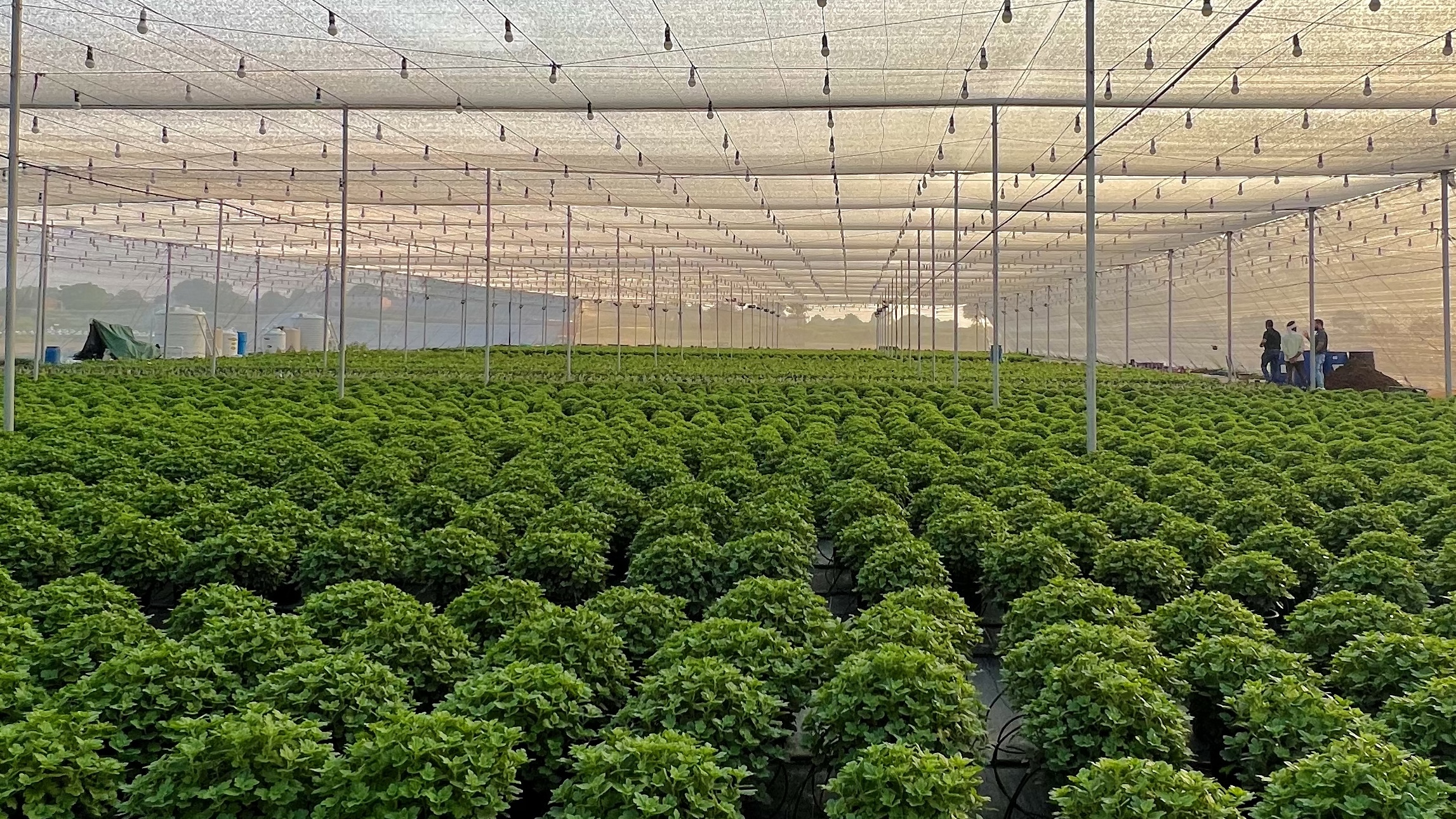
NHB Polyhouse Subsidy:
If you’re planning to invest in a polyhouse, greenhouse, or shade net house and want to take maximum benefit of the National Horticulture Board (NHB) subsidy, this guide is designed for you.
Instead of just throwing rules and figures at you, we’ll walk through the logic behind the scheme, the exact numbers, and a simple step-by-step roadmap from idea to subsidy disbursement. By the end, you’ll know what to build, what to grow, how much support you can expect, and how your loan will actually get reduced through this scheme.
Important Note:
All subsidies, cost norms, and project requirements mentioned below are subject to change based on the latest NHB/MIDH guidelines. Please verify current figures and policies with our team before making any financial or project decisions
Why the Government Supports Polyhouse Farming
Protected cultivation is not just about fancy structures; it is about stability and profitability in farming.
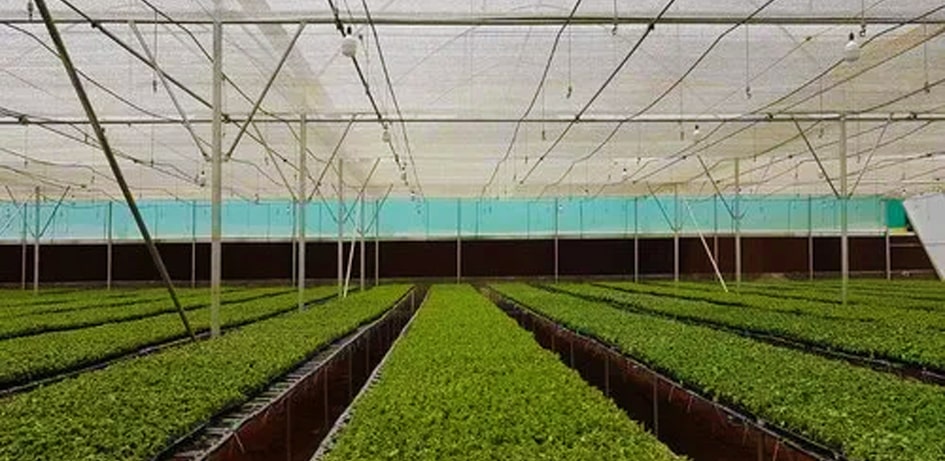
Inside a polyhouse or shade net house, you can:
• Protect crops from unseasonal rain, hail, strong winds, and extreme heat.
• Reduce pest and disease pressure compared to open-field cultivation.
• Use water, fertilisers, and land more efficiently.
• Grow high-value crops like gerbera, carnation, orchids, exotic vegetables, etc., and fetch better prices in the market.
For the government, this means higher farmer income, more export-quality produce, and better utilisation of natural resources. That’s why NHB supports such projects with a credit-linked, back-ended subsidy – you build the project with bank support, and after successful completion and inspection, the subsidy amount is adjusted directly into your loan.
Subsidy Structure (With Key Numbers - Updated Nov, 2025 )
Let’s break the subsidy structure into simple, actionable points.
1. Minimum and Maximum Area
For a project to qualify under NHB protected cultivation norms:
In General Regions, your project must have:
• A minimum area of 4,000 sq. m.
• A maximum area of 16,000 sq. m.
In the North Eastern Region:
• The minimum area is 1,000 sq. m.
2. What Activities Are Covered?
The subsidy covers a range of activities under protected cultivation, including:
• Construction of greenhouses and nethouses.
• Plastic mulching for soil and moisture conservation.
• High-value crop cultivation inside the protected structures.
3. Eligible Crops
NHB focuses on high-value flowers and vegetables:
• In Flowers, you can grow: Anthurium, Orchids, Rose, Lilium, Chrysanthemum, Carnation, and Gerbera.
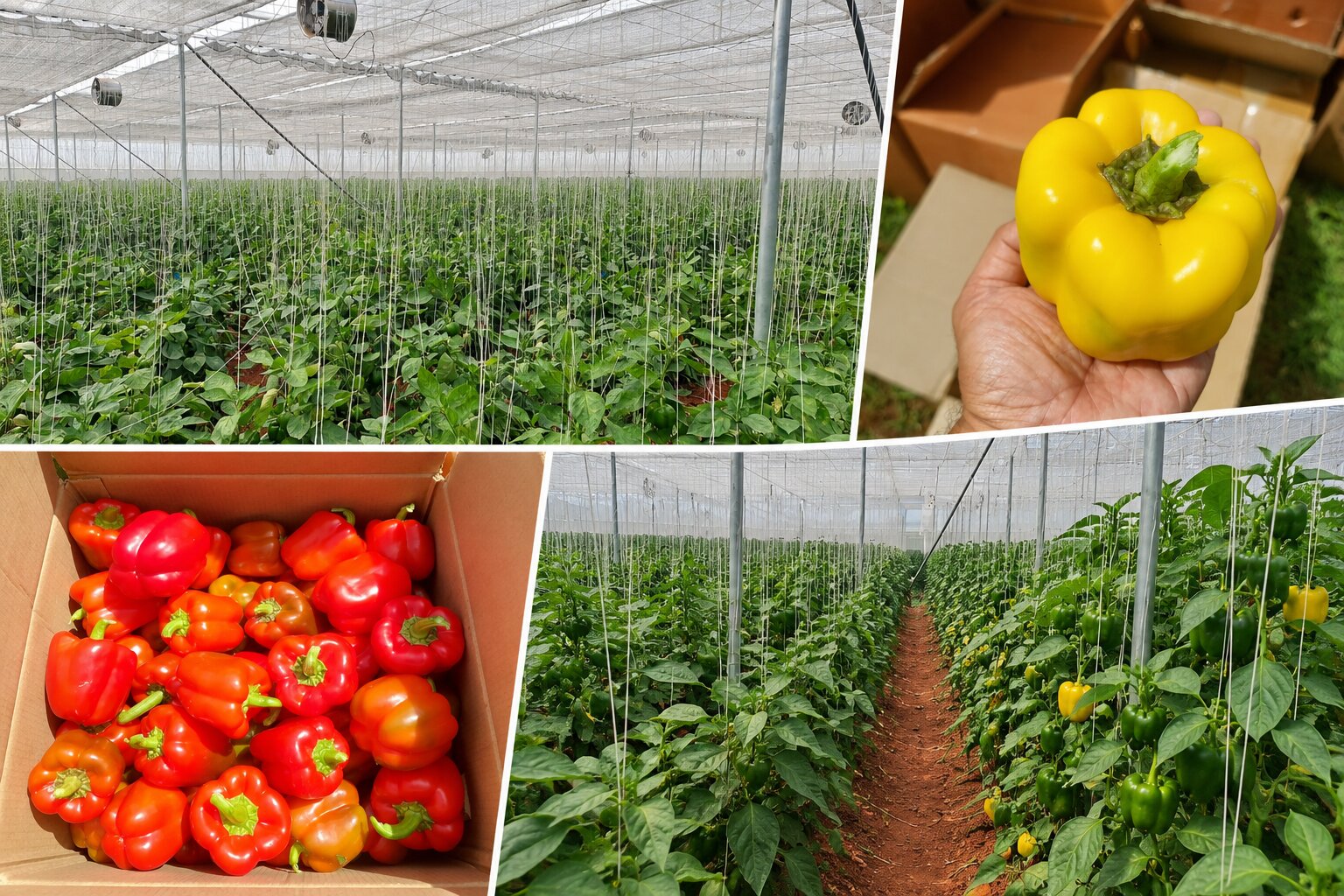
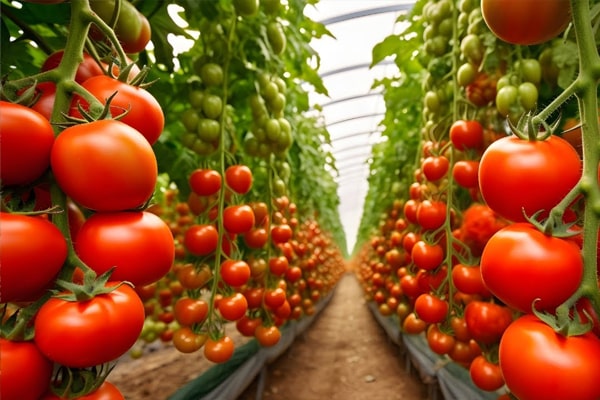
• In Vegetables, you can grow: Capsicum, Cucumber, and Tomato.
4. Subsidy Pattern (How Much You Actually Get)
The scheme follows a clear financial pattern:
• The assistance is a credit-linked, back-ended subsidy.
• You are eligible for 50% of the total project cost as per NHB norms.
• The subsidy is capped at Rs. 1 crore per project.
5. Cost Norms for Structures (structure and irrigation fesility)
The subsidy is calculated as 50% of the admissible cost for each type:
• Fan & Pad Greenhouse: Cost norm is Rs. 1,600 per sq. m.
• Naturally Ventilated Polyhouse: Cost norm is Rs. 1,000 per sq. m.
• Shade Net House: Cost norm is Rs. 710 per sq. m.
6. High-Value Crop Cultivation Cost Norms
Cultivation is also supported at 50% of admissible costs:
• High-value vegetables: Cost norm of Rs. 150 per sq. m.
• Orchids and Anthurium: Cost norm of Rs. 700 per sq. m.
• Carnation and Gerbera: Cost norm of Rs. 610 per sq. m.
• Rose and Lilium: Cost norm of Rs. 450 per sq. m.
7. Additional Components You Can Build In
You can also include subsidy coverage for:
• Irrigation infrastructure for protected cultivation, up to Rs. 4 lakh.
• Land development, up to Rs. 60,000 per acre.
• Packhouse cum grading room Rs. 4 lakh
• Farm mechanisation, such as power tools and small tractors, under specific norms.
8. Special Conditions You Must Respect
Two conditions are non-negotiable:
• Every material and technology used must meet NHB technical standards.
• The project must follow the cost norms specified by NHB or MIDH, or those approved by the bank.
Who Can Apply? (Eligible Beneficiaries)
The following entities are typically eligible for the scheme:
• Individual farmers and growers who own or lease land as per norms.
• Companies (such as private limited companies and partnership firms).
• Societies and Trusts engaged in horticulture or agri-based activities.
How Can You Apply? (Step-by-Step Process)
Think of the process in three broad phases: Planning & DPR, Bank Loan, and NHB Approval & Subsidy.
Step 1: Understand the DPR (Detailed Project Report)
Your DPR is the blueprint of your project. It should clearly explain:
• The structure you are building.
• The location and area you are covering.
• The crops you will grow and your cropping plan.
• The total cost of the project.
• How the project will be financed (your margin, bank loan, and expected subsidy).
Step 2: Collect All Required Documents
Gather everything you need before moving to the bank or NHB:
Identity & Land:
• Aadhaar card, PAN card, Exact land location with longitude and latitude, Proof of land ownership (or registered lease agreement valid for at least 12 years).
Project Details:
• Total area, Type of structure, Intended crop(s).
Others:
• Caste certificate (if SC/ST), Applicant photo.
For Entities:
• Registration certificate, MoA, and board resolution.
Step 3: Submit Your DPR to the Bank (Agri Term Loan)
Approach your bank for an Agri Term Loan. The bank verifies documents and issues a Sanction Letter.
Step 4: Start the NHB Process
After bank sanction, the NHB phase begins:
• Documents, along with the bank sanction letter, are compiled.
• NHB fees are paid, depending on project size:
• Rs. 14,750 for projects up to Rs. 1 crore.
• Rs. 23,600 for projects up to Rs. 1.5 crore.
• Rs. 29,500 for projects up to Rs. 2 crore.
• NHB appraises the project (often takes around 6 to 8 weeks).
• NHB issues a Grant of Consent (GOC) for your project.
Step 5: Loan Disbursement to Vendor and Project Execution
Submit the GOC to your bank.
• The bank disburses the loan directly to the selected vendor.
• Project execution (construction) begins and is typically completed within about 45 days.
Step 6: Plantation and Portal Confirmation
• Plant the approved crops inside the structure.
• Project completion and crop details are updated on the government portal.
Step 7: Joint Inspection by NHB and Bank
A joint inspection team visits to verify:
• The quality, size, and technical specifications of the structure.
• The total area constructed versus the DPR.
• The actual crop being cultivated.
• Financial details.
Step 8: Final Subsidy Approval and Disbursement
• The Director Board of NHB reviews the inspection report.
• After careful examination, the subsidy is approved.
• The subsidy amount is directly credited to your loan account, reducing your principal debt.
Step 9: Loan Repayment with Reduced Burden
You continue to repay the remaining loan, now with a significantly reduced debt burden.
Approval & Subsidy Timeline at a Glance
A typical flow looks like this:
• DPR preparation and documents: 1 to 3 weeks.
• Bank appraisal and sanction: Varies by bank speed.
• NHB appraisal and GOC: 6 to 8 weeks.
• Project execution (construction): Around 45 to 60 days.
• Final subsidy approval and credit into loan account (after inspection): 5 to 6 months.
Polyhouse Types Eligible Under the Scheme
Multiple modern structure types are covered under NHB protected cultivation norms:
• Fan & Pad Greenhouse: Offers precise control over temperature and humidity. Cost norm: Rs. 1,600 per sq. m.
• Naturally Ventilated Polyhouse: Uses natural air movement; effective and more economical. Cost norm: Rs. 1,000 per sq. m.
• Shade Net House: Reduces light intensity and heat; most economical. Cost norm: Rs. 710 per sq. m.
Take the Next Step Toward Modern Farming
If you’ve read this far, you’re already more informed than most people who “want a subsidy” but don’t know where to start. The next smart move is to turn this information into a concrete plan.
Not sure where to start? Book a free consultation with our team today.
During your consultation, we will:
• Check whether your land, location, and project idea fit NHB eligibility
• Help you choose the most suitable structure type for your budget and climate
• Recommend the best high-value crops for your region and market
• Explain your project cost, loan amount, and possible subsidy in simple numbers
• Give you a clear roadmap for the full journey.
Recent Posts
Your Farm. Your Future.
Every great harvest starts with the right conversation. Let our experts design a polyhouse built around your land, crop, and climate.
Talk to an ExpertFrequently Asked Questions
In this video, Abhishek Bhatt, Director of Agriplast Protected Cultivation, will provide a comprehensive breakdown of why Agriplast Polyhouse outperforms other polyhouses in terms of yield. He'll elucidate on key features like superior design, Israeli technology application, and optimal environmental control. The design facilitates enhanced ventilation, ensuring ideal growing conditions. Additionally, the use of Israeli technology, tailored for Indian agricultural needs, plays a crucial role in maximizing yields. Stay tuned to gain valuable insights into how Agriplast Polyhouse revolutionizes protected cultivation for superior agricultural outcomes.
A greenhouse is a transparent structure which is made using glass where plants are grown under certain climatic conditions. The agricultural industry has got many innovations, and the greenhouse technology makes use of modern and smart technology to give optimum facilities to the plants for their better and more efficient growth all around the year. Polyhouse is a kind of greenhouse where polyethene plastic material is used to create the polyhouse instead of the use of glass.
A greenhouse is designed to grow plants even in adverse climatic conditions. The translucent glass that covers the greenhouse gives the plants enough light to let them carry the photosynthesis process easily by absorbing light energy. Since the greenhouse is in an airtight condition, a sufficient amount of sunlight makes the greenhouse warmer from within than the outer atmosphere.
Greenhouse not only warms the greenhouse from within only in summers but in winters; it allows for an artificial heating solution which is effective but is a bit expensive. Some other inexpensive ways of warming up your greenhouse are:
- If you cover the inside of a greenhouse structure with a bubble layer wrap, you will observe a reduction in heat loss.
- Good power supply availability will allow you to add electric fan heaters to circulate hot air within the greenhouse for the plant's growth.
- You can also get electric greenhouse heaters installed that come with an inbuilt thermostat and works automatically when the temperature of the outer surroundings goes down.
Greenhouse benefits you in several different ways, which are listed below:
- Helps in producing fresh crops at any time of the year.
- The facility of producing the crops all around the year, even in adverse climatic conditions.
- The greenhouse allows the farmers to create an exclusive environment for the better plant growth.
- Protects crops from adverse climatic conditions.
- The light energy within a greenhouse is distributed evenly to all the plants.
- Greenhouse installation makes it easy for the farmers to grow crops with less use of pesticides.
- Greenhouse setup helps in saving the total usage of resources.