Borrow and forget? Loan waivers aren’t the right solution
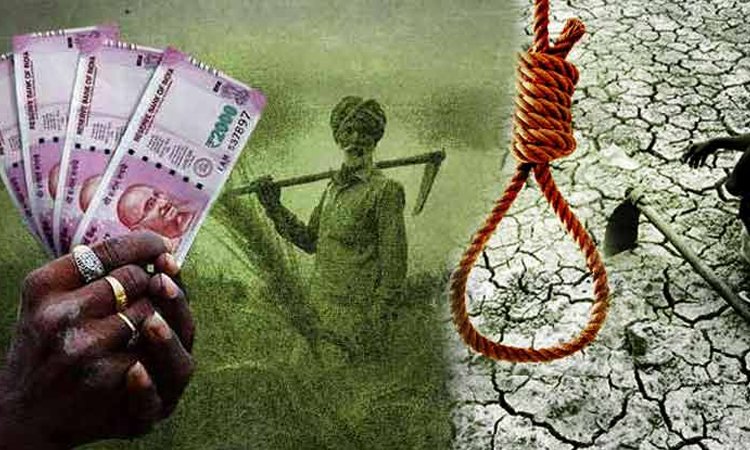
Agriculture in India is not a very smooth space— fragmented land holding, depleting water table, deteriorating soil quality, rising input costs, low productivity along with the dependence on the Lord of Universe. The vagaries of nature often lead to poor outputs forcing farmers to depend heavily on credits. That is when the vicious circle of loans and indebt begins. Also, many small farmers not eligible for bank credit borrow at exorbitant interest rates from private sources. Since the circle is vicious, the burden of interest rates and principal repayment pressurizes farmers and is considered to be one of the major reasons of farmer suicides in the country. This is when the Centre and the State can offer the magic band of a Loan Waiver.
Loans Waivers should simply be considered as first aid or temporary relief mechanism and no way a cure to the chronic disease of farmer distress. The first major nationwide farm loan waiver was undertaken in 1990 and it cost the state ? 10,000 cr, which works out to be above ? 50000 cr at current prices using the GDP deflator. History shows that the waiver scheme proved to be a very costly affair for the VP Singh government, the banks and the economy. A study states that loan recovery in Karnataka substantially dropped from 74.9% in 1987-88 to 41.1% in 1991-92. Another major loan waiver wave came in 2008 when ?52000 cr were released by the government to please the farmers, right before the 2009 elections. The 1990 scheme provided relief to all farmers up to a certain loan amount but the Agricultural Debt Waiver and Relief Scheme ensured to waive debt for a certain class of cultivators. However, there were serious lapses in the implementation of the scheme. The farmers who were entitled to receive benefits weren’t included in the list of beneficiaries by the lending institution. A few farmers wrongly reaped benefits for loans taken for non-agricultural purposes. In 2014, a loan waiver of ?40000 cr and ?20000 cr waiver was announced for Andhra Pradesh and Telangana respectively. Presently, eight state governments have declared farm loan waivers worth ?1.9 trillion within a year’s time, including Rs 60,000 cr announced by the three newly-inducted state governments. Just-exited RBI Governor Urjit Patel expressed his concern stating, “It undermines an honest credit culture and impacts credit discipline.” The easy is not the right. Farmers believe that they can default with impunity. People who can pay also resort to not paying in hopes of reaping benefits of waivers. With many states announcing waivers, the credit culture is disturbed. A Mint report states that the farm loans distributed have been stagnant over the years but the bad loans have seen a rise. When a farmer’s loan is waived off by the bank, the chances of them getting subsequent loans from the same banks are at great risk. Seen on part of the government, even if the loan waiver is accommodated within budgetary provisions, it will force cutbacks in other heads of expenditure. The most vulnerable and hard hit is the capital expenditure in the same sector as better irrigation systems, cold chains etc. What’s very important is to plan for permanent solutions to give the boost to our farmers and not just spend a part of the budget to provide a temporary sigh and win votes.
Recent Posts
-
-
 27 Jan, 2026 What Materials Are Used for Polyhouse Construction?
 -
 06 Jan, 2026 Exit Strategy for Polyhouse Farming
 -
 02 Jan, 2026 Maintenance Needs for a Polyhouse
Your Farm. Your Future.
Every great harvest starts with the right conversation. Let our experts design a polyhouse built around your land, crop, and climate.
Talk to an ExpertFrequently Asked Questions
In this video, Abhishek Bhatt, Director of Agriplast Protected Cultivation, will provide a comprehensive breakdown of why Agriplast Polyhouse outperforms other polyhouses in terms of yield. He'll elucidate on key features like superior design, Israeli technology application, and optimal environmental control. The design facilitates enhanced ventilation, ensuring ideal growing conditions. Additionally, the use of Israeli technology, tailored for Indian agricultural needs, plays a crucial role in maximizing yields. Stay tuned to gain valuable insights into how Agriplast Polyhouse revolutionizes protected cultivation for superior agricultural outcomes.
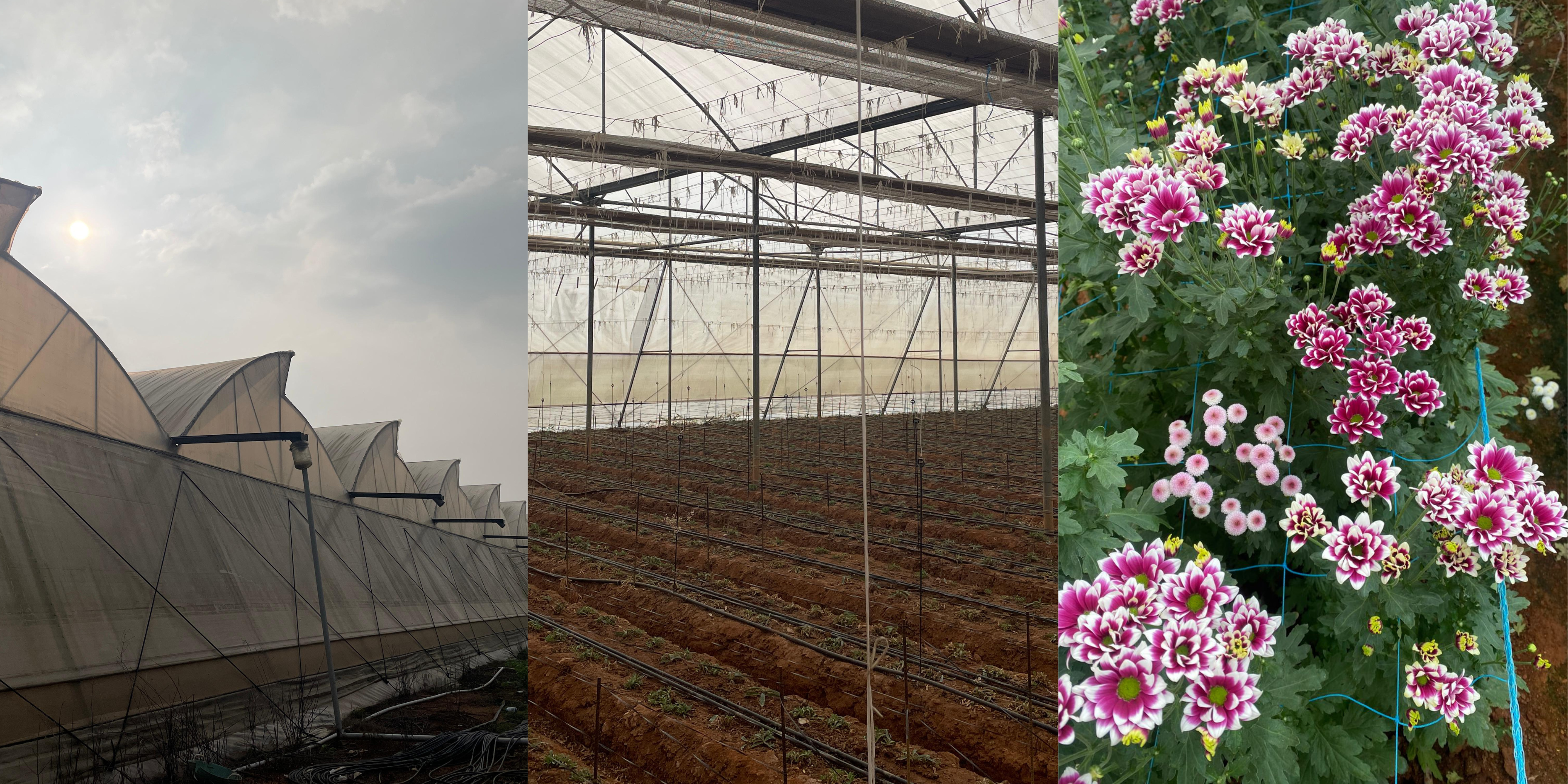
A greenhouse is a transparent structure which is made using glass where plants are grown under certain climatic conditions. The agricultural industry has got many innovations, and the greenhouse technology makes use of modern and smart technology to give optimum facilities to the plants for their better and more efficient growth all around the year. Polyhouse is a kind of greenhouse where polyethene plastic material is used to create the polyhouse instead of the use of glass.
A greenhouse is designed to grow plants even in adverse climatic conditions. The translucent glass that covers the greenhouse gives the plants enough light to let them carry the photosynthesis process easily by absorbing light energy. Since the greenhouse is in an airtight condition, a sufficient amount of sunlight makes the greenhouse warmer from within than the outer atmosphere.
Greenhouse not only warms the greenhouse from within only in summers but in winters; it allows for an artificial heating solution which is effective but is a bit expensive. Some other inexpensive ways of warming up your greenhouse are:
- If you cover the inside of a greenhouse structure with a bubble layer wrap, you will observe a reduction in heat loss.
- Good power supply availability will allow you to add electric fan heaters to circulate hot air within the greenhouse for the plant's growth.
- You can also get electric greenhouse heaters installed that come with an inbuilt thermostat and works automatically when the temperature of the outer surroundings goes down.
Greenhouse benefits you in several different ways, which are listed below:
- Helps in producing fresh crops at any time of the year.
- The facility of producing the crops all around the year, even in adverse climatic conditions.
- The greenhouse allows the farmers to create an exclusive environment for the better plant growth.
- Protects crops from adverse climatic conditions.
- The light energy within a greenhouse is distributed evenly to all the plants.
- Greenhouse installation makes it easy for the farmers to grow crops with less use of pesticides.
- Greenhouse setup helps in saving the total usage of resources.